2026 French Municipal Elections Shape Up Amid Campaign Challenges and Strategic Shifts
As the 2026 municipal elections approach, controversies and strategic alliances in key cities like Nice and Marseille reflect the intense political climate across France ahead of important local polls.
Key details
- Christian Estrosi held a contested final campaign meeting in Nice amid a scandal involving a pig's head outside his home.
- Far-right candidate Franck Alliosi poses a strong electoral challenge in Marseille amid leftist divisions and weakened right.
- La France insoumise hopes to surpass 10% in initial votes to influence second-round alliances among socialist and ecological candidates.
- Mayors elected in 2026 may serve a seven-year term to avoid overlap with the 2032 presidential elections.
As France approaches the first round of its 2026 municipal elections on March 15, key political dynamics are unfolding in cities like Nice and Marseille, alongside national considerations impacting the election timeline. Voters are set to elect mayors and municipal/community councilors for a renewable six-year term, with a potential extension for those elected given the 2032 elections will coincide with the presidential vote.
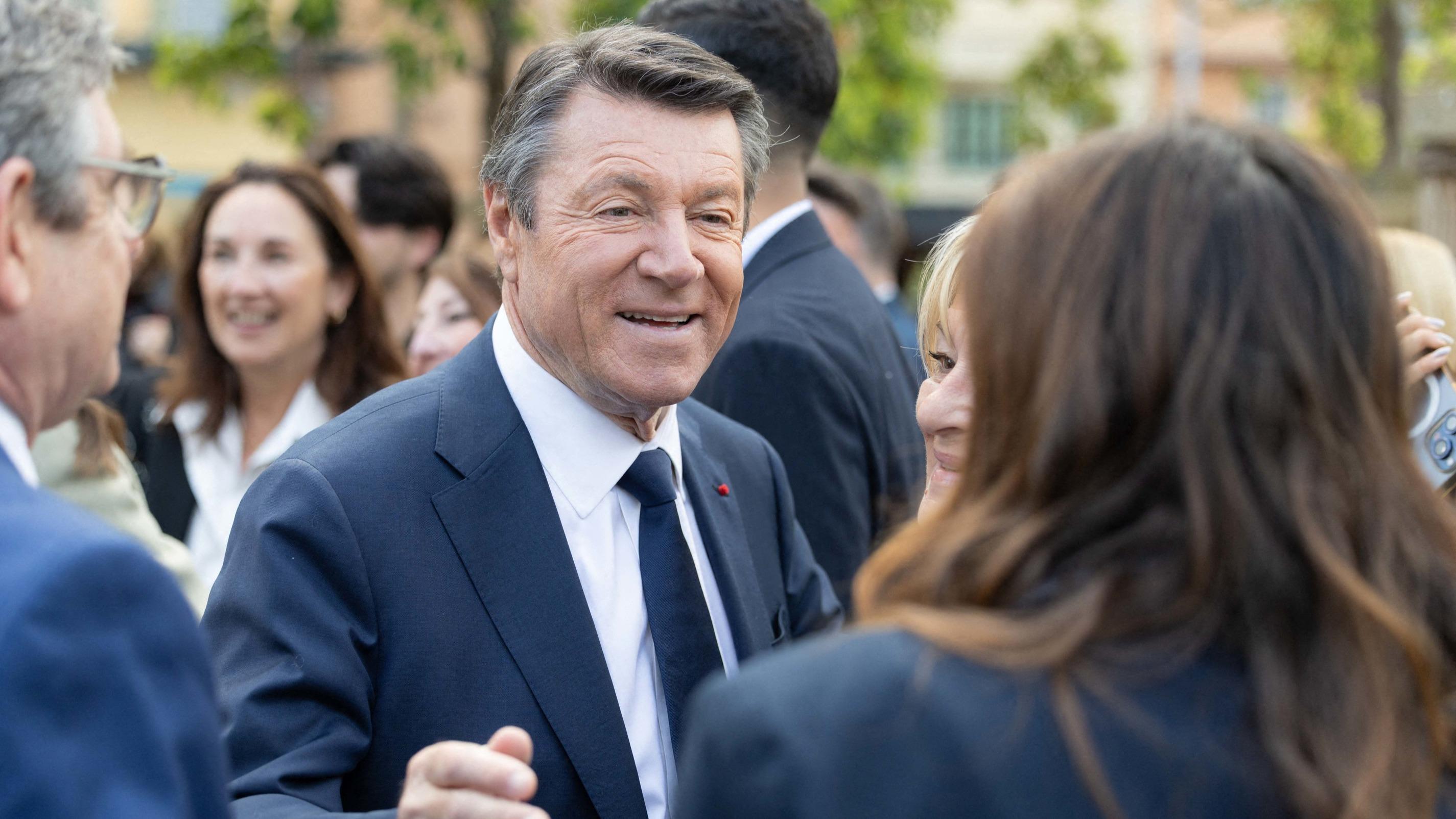
In Nice, Mayor and candidate Christian Estrosi held his final campaign meeting in Vieux-Nice amid a peculiar manipulation scandal involving a severed pig's head that was discovered outside his home on February 27. Despite the controversy, several hundred supporters gathered as Estrosi endeavored to rally his base humorously calling them his "tigers" and aiming to present himself as a combative figure ahead of the election.
Meanwhile, in Marseille, the political contest is intensifying with the far-right candidate Franck Alliosi emerging as a significant threat to traditional parties. The left's division and a weakened right have opened political space that Alliosi is poised to exploit, raising concerns about the city's political future.
Nationally, the left-wing movement La France insoumise, after a challenging campaign, hopes to surpass a 10% vote threshold in several cities. This achievement could influence second-round alliances, prompting socialist and ecological candidates to consider strategic partnerships to strengthen their positions.
A significant logistical note ahead of the elections is that mayors elected in 2026 could serve an extended seven-year term. This adjustment aims to align future municipal elections with the 2032 presidential election, thereby avoiding overlapping electoral campaigns and ballots.
The prefecture of the Lot department, reflecting nationwide processes, will announce participation rates at midday and late afternoon on election days, with results from 8 p.m. Surveillance of turnout and results will provide insight into public engagement in this pivotal local election.
These developments underscore the complex political landscape leading up to the 2026 municipal elections in France, marked by local controversies, party dynamics, and national electoral timing considerations.
Source articles (5)
-
lefigaro.fr Mar 13, 2026
Municipales à Nice : loin de l’affaire de la tête de cochon, les soutiens d’Estrosi veulent croire à la victoire de leur candidat
-
liberation.fr Mar 13, 2026
Mandat municipal : pourquoi les maires élus en 2026 pourraient faire un septennat
-
Municipales : après une campagne nationale et difficile, La France insoumise espère passer le cap des 10%
-
Municipales 2026 : à Marseille, veillée d’armes sur fond de menace RN
-
lot.gouv.fr Mar 13, 2026
Elections Municipales et Communautaires 2026
Source comparison
Election dates
Sources report different dates for the municipal elections in France.
lot.gouv.fr
"Elections municipales et communautaires en France se tiendront les 15 et 22 mars, permettant aux électeurs d'élire le maire et les conseillers municipaux et communautaires."
liberation.fr
"Les prochaines élections municipales en France sont programmées pour mars 2032."
Why this matters: One source states the elections are on March 15 and 22, 2026, while another mentions future elections in March 2032. This discrepancy affects the understanding of when the current elections are scheduled.