France Faces Continued Social Unrest with New Protests as Government Tightens Judicial Responses
As 164 protests are set for Saturday across France, the government moves to enforce judicial measures and maintain security amid ongoing social unrest.
Key details
- 164 protests planned across France for Saturday by "gilets jaunes" and allies.
- Government calls for systematic judicial action in cases of violence during protests.
- Security at educational institutions to be maintained as long as needed.
- Disciplinary measures will be implemented against those causing disturbances.
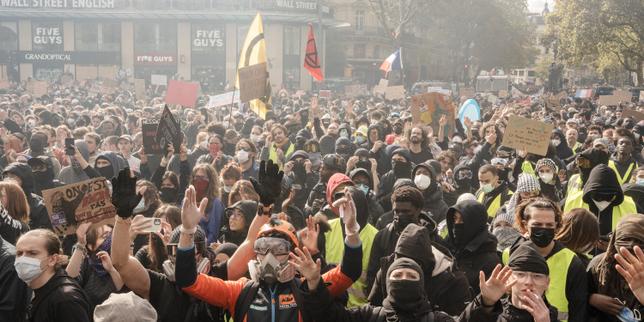
The "gilets jaunes" movement, alongside youth organizations and some unions, has called for a fifth day of mobilization this Saturday, with 164 demonstrations planned across France, according to a coordination effort documented on Thursday morning. This ongoing wave of protests highlights the persistence of social unrest in the country. Meanwhile, the government is aiming to assert greater control in response to disturbances, particularly those linked to the student movement. Officials have announced plans for "systematic" judicial referrals in cases of violence, reflecting a commitment to end the crisis and maintain order. Security measures at schools will continue for as long as necessary, and disciplinary actions will be pursued against troublemakers. Together, these developments underscore a dual dynamic: mass social mobilization seeking change and a firm governmental stance prioritizing justice and security.
The mobilization began months ago but remains robust, as this Saturday’s widespread demonstrations illustrate. The government’s new judicial strategy responds to increasing concern over violence during protests, intending to deter disorderly conduct through legal consequences. Maintaining security in educational institutions is seen as crucial in stabilizing the situation. These combined factors demonstrate an evolving landscape of civic unrest and state intervention in France as of November 12, 2026.