France Rejects EU Plan for Migrant Return Centers in Rwanda Amid Policy Shift
France opposes the EU initiative by five countries to establish migrant return centers in Rwanda, highlighting differing approaches to migration policy in Europe.
Key details
- Five European countries plan a migrant return platform in Rwanda for rejected asylum seekers.
- France rejects the Rwanda return center proposal, citing principle and effectiveness concerns.
- EU's new migration regulation allows external centers but faces criticism for stricter controls.
- Divisions exist among EU members on how to handle migration and asylum processes.
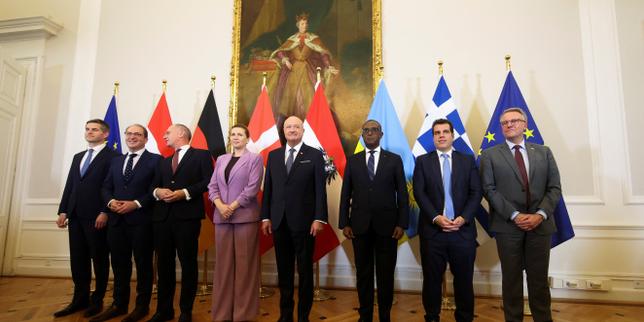
On November 16, 2026, Germany, Austria, Denmark, Greece, and the Netherlands announced the creation of a migrant return platform in Rwanda intended to manage asylum seekers rejected in Europe. This marks a significant shift in European migration policy toward more externalized processing of asylum claims. Rwanda has agreed to accept migrants expelled under this initiative, which reflects a tightening of migration controls under the EU's new return regulation, including longer detention and limiting appeals.
However, France has firmly rejected the proposal. President Emmanuel Macron stated that the concept of return centers in third countries "does not align with the principles that are ours." Macron noted on June 19 that he had never witnessed a return center in a third country functioning effectively, emphasizing support for combatting illegal immigration but rejecting the specific Rwanda centers. This stance is shared by Spanish Prime Minister Pedro Sanchez, reflecting differing opinions among European leaders regarding this policy.
Critics argue that the EU's migration regulation reduces protections for asylum seekers by removing the suspensive effect of legal appeals and extending detention periods. The five countries involved represent a coalition pushing forward the externalization approach, while France's opposition highlights ongoing tensions within the EU over the best approach to migration management.
This development underscores a growing divide in European migration policy, between those favoring stringent measures including external return platforms, and others, like France, prioritizing principles and effectiveness concerns.
Source articles (2)
-
lemonde.fr Nov 16, 2026
Le projet de cinq pays européens d’ouvrir un centre de retour au Rwanda traduit la bascule de la politique européenne en matière d’immigration
-
lefigaro.fr Nov 16, 2026
«Cela ne correspond pas aux principes qui sont les nôtres» : la France rejette le projet de « centre de retour » pour migrants au Rwanda
Source comparison
France's position on the return center
Sources report conflicting positions on the return center in Rwanda
lefigaro.fr
"France has officially rejected the proposal for a 'return center' for migrants in Rwanda."
lemonde.fr
"Germany, Austria, Denmark, Greece, and the Netherlands announced the establishment of a platform in Rwanda."
Why this matters: One source states that France has rejected the proposal for the return center, while the other source focuses on the announcement of the center by five EU countries without mentioning France's rejection. This discrepancy is significant as it highlights differing perspectives on the proposal's acceptance within the EU.