France Strengthens Measures Against Foreign Interference in Politics Amidst 2027 Election
France reforms economic diplomacy roles and addresses social media disinformation to counter foreign interference ahead of the 2027 presidential election.
Key details
- French decree extends mandates of economic diplomacy advisers from three to five years with stricter access rules.
- New clause allows exclusion of advisers opposing French policy to prevent foreign influence.
- Marine Tondelier demands ban of social platform X due to fake news and algorithm bias.
- Both legislative reforms and political calls highlight concerns about foreign interference in France’s electoral process.
On August 5, 2026, France took decisive steps to safeguard its political and economic diplomatic processes from foreign interference as the country prepares for the upcoming 2027 presidential election. Two significant developments highlight the government's and political leaders' efforts to protect democratic integrity.
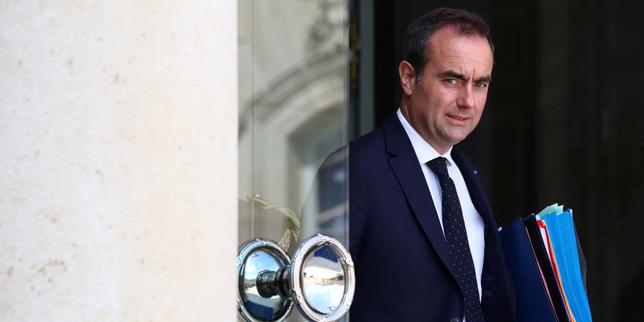
Firstly, a new decree published in the Journal officiel reforms the status of foreign trade advisers, key players in France's economic diplomacy. The decree, announced by Sébastien Lecornu, extends the mandate of these business leaders from three to five years and tightens access conditions to these positions. Crucially, the reform introduces a clause allowing the exclusion of advisers who take positions deemed contrary to French policy, ensuring greater alignment with national interests and reducing risks of foreign influence through these roles.
Simultaneously, political voices have raised alarms about digital foreign interference affecting the public debate and election campaigns. Marine Tondelier, secretary-general of the Ecologists party, called for the banning of the social media platform X (formerly Twitter), which she described as a "source of fake news" with a "rigged algorithm". She emphasized the platform's integral role in disseminating disinformation that disrupts the democratic process, characterizing it as a structural and persistent problem during the election period.
These measures and calls reflect growing concerns within France about maintaining political sovereignty amid rising digital disinformation and foreign meddling. The extension and tightening of mandates for economic diplomacy advisers mark a legislative approach to curb indirect foreign influence, while political parties address the broader challenge of misinformation on social networks to protect the electoral integrity.
The developments underscore France’s proactive stance against foreign interference, balancing institutional reforms with political advocacy as the nation gears up for pivotal elections.