François Hollande Backs Article 49.3 for 2026 Budget Amid Political Negotiations
Former President François Hollande supports Prime Minister Sébastien Lecornu's anticipated use of Article 49.3 to pass the 2026 budget, underscoring the need for political unity and strategic negotiations amid parliamentary challenges.
Key details
- François Hollande supports the use of Article 49.3 to pass the 2026 budget without a parliamentary vote.
- Prime Minister Sébastien Lecornu must decide between Article 49.3 or a budget ordinance by Tuesday based on ongoing negotiations.
- Lecornu is working toward a non-censorship agreement mainly with the Socialist Party and calls for ecologists and communists to avoid censure votes.
- The government aims to keep the public deficit under 5% of GDP while balancing concessions and political interests.
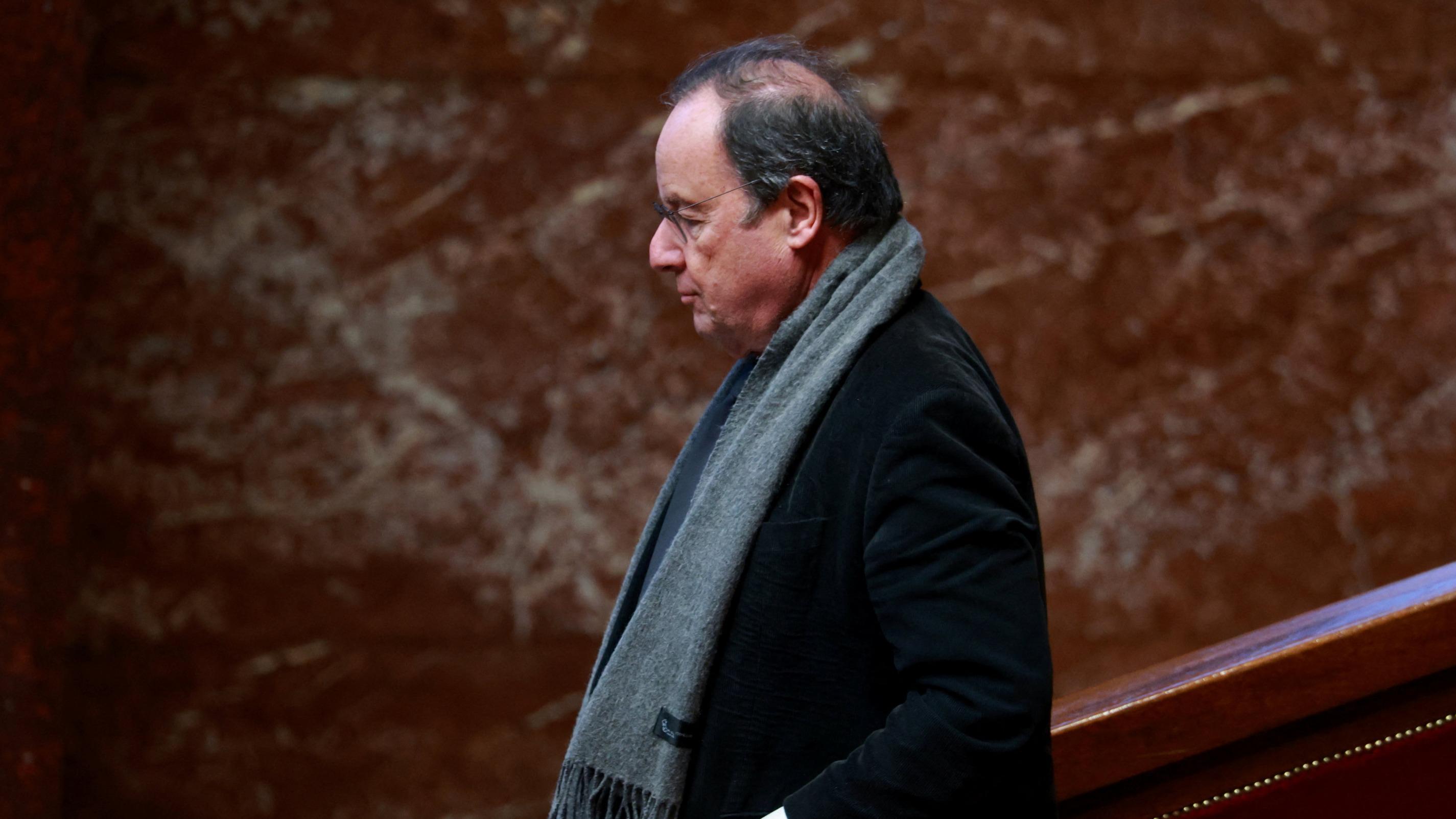
Former President François Hollande has publicly endorsed Prime Minister Sébastien Lecornu's likely use of Article 49.3 of the French Constitution to approve the 2026 state budget without a parliamentary vote. Speaking on Radio J, Hollande emphasized that Article 49.3 is particularly suited for the current political predicament, where the government lacks a parliamentary majority to pass the budget through traditional voting.
Lecornu faces a critical decision by Tuesday on whether to invoke Article 49.3 or to pursue a budget ordinance, with both options exposing his government to a motion of censure. The Prime Minister’s choice will hinge on discussions held over the recent weekend, especially consultations with the Senate concerning local authorities. A cabinet meeting scheduled for Monday is expected to precede the resumption of National Assembly debates the following day.
Hollande, now a deputy, voiced confidence that Lecornu could remain in office until 2027 if he manages to negotiate a suitable budget compromise. He highlighted ongoing efforts toward a non-censorship agreement primarily with the Socialist Party, urging ecologists and communists to avoid voting for censure to maintain governmental stability. Hollande warned that a censure vote from these parties while the Socialists abstain would undermine future collaborations and stressed the necessity of unity ahead of the 2027 presidential election.
The budget law aims to reconcile diverse political interests while maintaining a public deficit under 5% of GDP, a challenge complicated by stalled parliamentary discussions. Socialist Party leader Olivier Faure indicated his intention to advise deputies against censure if budget ambiguities are resolved and social concessions do not overly burden citizens. Meanwhile, opposition voices like Manuel Bompard from La France Insoumise criticized the budget’s lack of measures against the ultra-rich and threatened censure regardless of the government’s chosen path.
Hollande also cautioned against utilizing a budget ordinance, noting its legal uncertainties and political risks compared to Article 49.3. Right-wing politician Xavier Bertrand labeled the budget a failure but acknowledged the necessity to adopt it and move forward.
With the Prime Minister poised to make a definitive move, political negotiations remain delicate as parties maneuver to shape France’s budgetary future and stabilize governance leading into the next presidential elections.
Source articles (2)


Source comparison
Decision timeline for budget tool
Sources disagree on when Lecornu will make his decision about the budget tool.
lefigaro.fr
"Lecornu faces a decision by Tuesday on whether to utilize a budget ordonnance or article 49.3."
lemonde.fr
"Lecornu will make his choice based on discussions over the weekend."
Why this matters: One source states Lecornu will decide by Tuesday, while the other suggests he will choose based on weekend discussions. This affects the understanding of the urgency and timing of the decision-making process.