Jean-Luc Mélenchon Faces Backlash Over Accusations of Anti-Semitism Following Comments on Jeffrey Epstein
Jean-Luc Mélenchon has been accused of anti-Semitism following controversial remarks about Jeffrey Epstein’s name, prompting widespread political condemnation and debate in France.
Key details
- Jean-Luc Mélenchon made controversial remarks about Jeffrey Epstein's name pronunciation, leading to accusations of anti-Semitism.
- President Emmanuel Macron and other political leaders condemned Mélenchon's remarks as crossing the line into anti-Semitism.
- Left-wing allies and opposition parties alike criticized Mélenchon, emphasizing responsible rhetoric against anti-Semitism.
- Mélenchon defended his comments, claiming misinterpretation and accusing critics of inciting violence against his party, LFI.
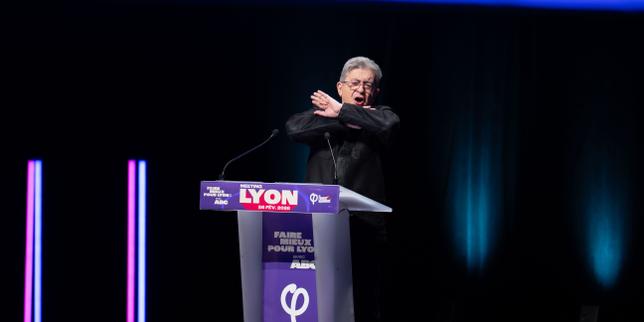
On February 26, 2026, Jean-Luc Mélenchon, leader of La France insoumise (LFI), sparked a significant political controversy after making remarks about the pronunciation of Jeffrey Epstein's name during a meeting in Lyon. Mélenchon joked that the name could be pronounced in a way that sounded more Russian, a comment that quickly drew accusations of anti-Semitism.
The incident triggered strong reactions across the French political spectrum. President Emmanuel Macron condemned Mélenchon’s remarks as crossing all limits, labeling anti-Semitism a “monstrosity” and reiterating his previous criticisms of far-left anti-Semitism. Political figures such as former Prime Minister Gabriel Attal and Minister Aurore Bergé expressed similar concerns, with Bergé asserting that anti-Semitism in France is represented by the initials “L-F-I.” The Interior Minister Laurent Nuñez stressed the need for clarity in public discourse surrounding such sensitive issues. Even Mélenchon's left-wing allies, including the Socialist Party’s Olivier Faure, criticized his rhetoric, emphasizing a commitment to anti-fascism without dangerous language.
Mélenchon defended himself by saying his comments were misinterpreted and framed as a critique of the tendency to “russify” certain issues. He accused his critics of deliberately inciting violence against his party, LFI. This episode adds to a growing list of anti-Semitism accusations against Mélenchon, especially in the wake of heightened anti-Semitic attacks in France since the October 7 attacks in Israel. The controversy highlights ongoing political and societal tensions in France related to rising concerns about anti-Semitism amid the broader geopolitical context involving Ukraine and the Middle East.