Key Candidates Critique Macron’s Legacy as Ecological and Tax Reforms Shape 2027 French Presidential Race
Ahead of France’s 2027 presidential election, candidates express critiques of Macron's presidency and propose ecological and tax reforms shaping the political landscape.
Key details
- Central bloc candidates criticize President Macron's governance style but avoid alienating his voter base.
- Raphaël Glucksmann pledges a hundred-day ecological revolution focusing on wind energy and ending fossil fuel dependence.
- CFDT leader Marylise Léon supports inheritance tax reform to promote social justice, excluding far-right candidates from debate.
- Alexis Kohler defends Macron amid mounting criticism from within his political sphere.
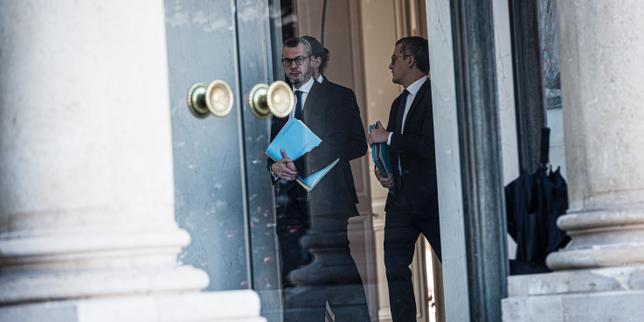
As the 2027 French presidential election approaches, several candidates articulate critiques and new visions that challenge President Emmanuel Macron's legacy. Central bloc contenders Gabriel Attal and Édouard Philippe voice concerns over Macron's presidential style, underscoring the heavy political inheritance they must bear while carefully not alienating his voter base. This balancing act highlights the delicate nature of political discourse within Macron’s centrist supporters, as noted by Alexis Kohler, former Secretary General of the Élysée, who publicly defended the President amid growing critiques.
Meanwhile, ecological reform is emerging as a pivotal campaign issue. Raphaël Glucksmann, co-founder of the Place publique party, promises a "revolution ecological" within his first hundred days in office if elected. Emphasizing wind energy and collaboration with Senator Yannick Jadot, Glucksmann aims to break France's dependence on fossil fuels, advocating for transformative environmental policies.
Tax reform debates also intensify, with Marylise Léon, general secretary of France's largest union CFDT, supporting the taxation of inheritances "from the very first euro". She frames this measure as one of social justice and intends to engage presidential candidates in dialogue about it, excluding those from the far right. This stance signals ongoing discussions on wealth redistribution and fairness in the French fiscal landscape ahead of the election.
These developments paint a complex picture of the evolving political landscape, with candidates navigating the challenge of critiquing the current presidency while proposing ambitious reforms that appeal to diverse voter priorities.
Source articles (3)
-
lemonde.fr Aug 25, 2026
La CFDT se prononce pour la taxation des héritages « dès le premier euro », une mesure de « justice sociale », estime Marylise Léon
-
Présidentielle 2027 : le bilan d’Emmanuel Macron, un lourd héritage à porter pour Gabriel Attal et Edouard Philippe
-
Raphaël Glucksmann promet une « révolution écologique » en cent jours s’il est élu président de la République