Left-Wing Alliances in 2026 French Municipal Elections Stir Criticism and Strategic Debates
In the 2026 municipal elections, alliances among left-wing parties spark internal criticism amid strategic efforts to block right-wing gains.
Key details
- Left-wing parties PS, Ecologists, and LFI form alliances in key cities to counter right-wing victories.
- Jean-Luc Mélenchon faces allegations of antisemitic remarks, fueling criticism of alliances.
- Place publique leader condemns these alliances as inconsistent and hypocritical.
- Right-wing candidates reject alliances with far-right parties RN and UDR ahead of election deadline.
As the 2026 French municipal elections approach, left-wing parties including the Socialist Party (PS), the Ecologists, and La France Insoumise (LFI) have formed strategic alliances in several major cities to counter the potential victory of right-wing candidates in the second round, excluding Paris and Marseille where alliances remain unsettled. This approach aims to consolidate left-wing votes but has ignited significant criticism within and around the left political spectrum.
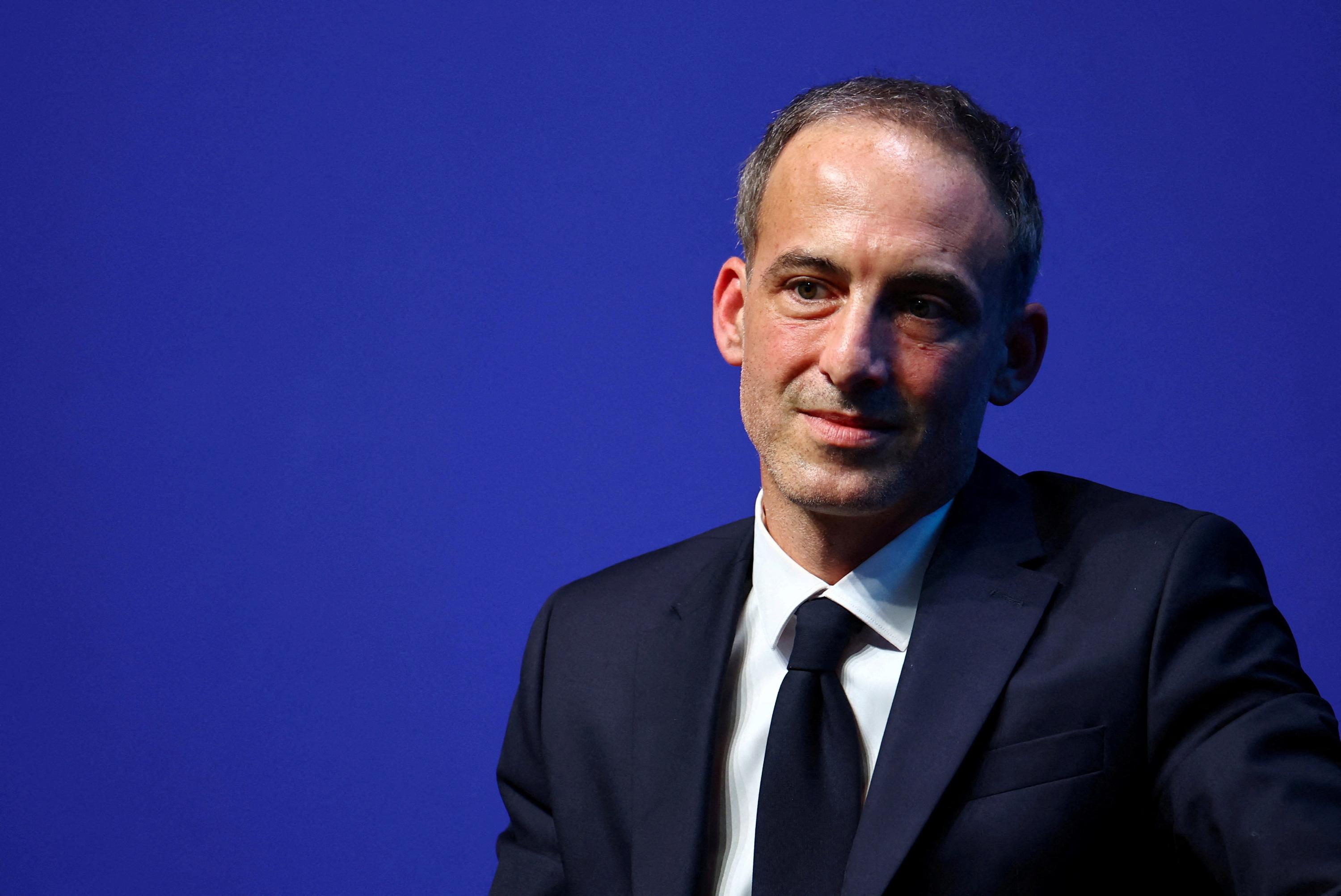
The leader of Place publique, a left-wing movement, has vocally criticized these coalitions, labeling alliances with LFI—and its leader Jean-Luc Mélenchon—as inconsistent due to recent allegations of antisemitic remarks against Mélenchon. This criticism underscores the tension in forming what were called 'pseudo antifascist fronts' just weeks after such controversies surfaced, raising questions about the ideological coherence of such partnerships.
Despite this internal dissent, commentators stress the necessity of voters supporting the strongest left-wing candidate, emphasizing the risks of social, environmental, and democratic setbacks if the left were to fragment. This sentiment reflects a pragmatic calculus shared among parts of the left, prioritizing unity to oppose the rise of right and far-right influences.
Meanwhile, several right-wing candidates from cities including Paris, Marseille, Nice, and Limoges have publicly rejected any alliances with the far-right Rassemblement National (RN) and the Union of Democrats and Independents (UDR), distancing themselves from potential right-extreme right coalitions.
The deadline for final candidate lists is today at 6 p.m., with the political landscape marked by these evolving alliances and disputes. Left-wing parties face a critical juncture balancing electoral strategy and ideological consistency as they vie for influence in France’s municipal power structures.
Source articles (4)
-
lefigaro.fr Mar 17, 2026
Municipales : «Hypocrite», «honte», «déshonneur»... Le PS et Les Écologistes sous le feu des critiques après leurs alliances avec LFI
-
EN DIRECT - Municipales à Paris : Glucksmann critique vivement les alliances du PS et des écologistes avec LFI
-
liberation.fr Mar 17, 2026
Municipales : face à la droite et l’extrême droite, voter utile à gauche ce n’est pas se compromettre
-
lemonde.fr Mar 17, 2026
EN DIRECT, résultats des municipales 2026 : aucune alliance entre la droite et l’extrême droite, des listes de gauche se rapprochent dans plusieurs grandes villes