Left-Wing Alliances with LFI Spark Fierce Backlash Amid 2026 Municipal Elections
The Socialist Party and Ecologists face backlash for local alliances with La France Insoumise amid municipal elections, exposing deep political controversies over democracy and extremism.
Key details
- PS and Ecologists form local alliances with LFI in major cities excluding Paris and Marseille to prevent right-wing wins.
- Opponents from Renaissance and National Rally condemn the alliances as hypocritical and undemocratic.
- LFI leader Jean-Luc Mélenchon is widely disliked and criticized for alleged antisemitism and radical rhetoric.
- Olivier Faure defends localized agreements but denies national pact and promises to tackle antisemitism among candidates.
In the wake of the first round of France's 2026 municipal elections, the Socialist Party (PS) and the Ecologists have entered into numerous local alliances with La France Insoumise (LFI) across major cities such as Toulouse, Lyon, Strasbourg, Nantes, Limoges, Avignon, Brest, and Clermont-Ferrand. These coalitions aim to prevent right-wing victories in the second round but notably exclude Paris and Marseille, where no agreements have been reached.
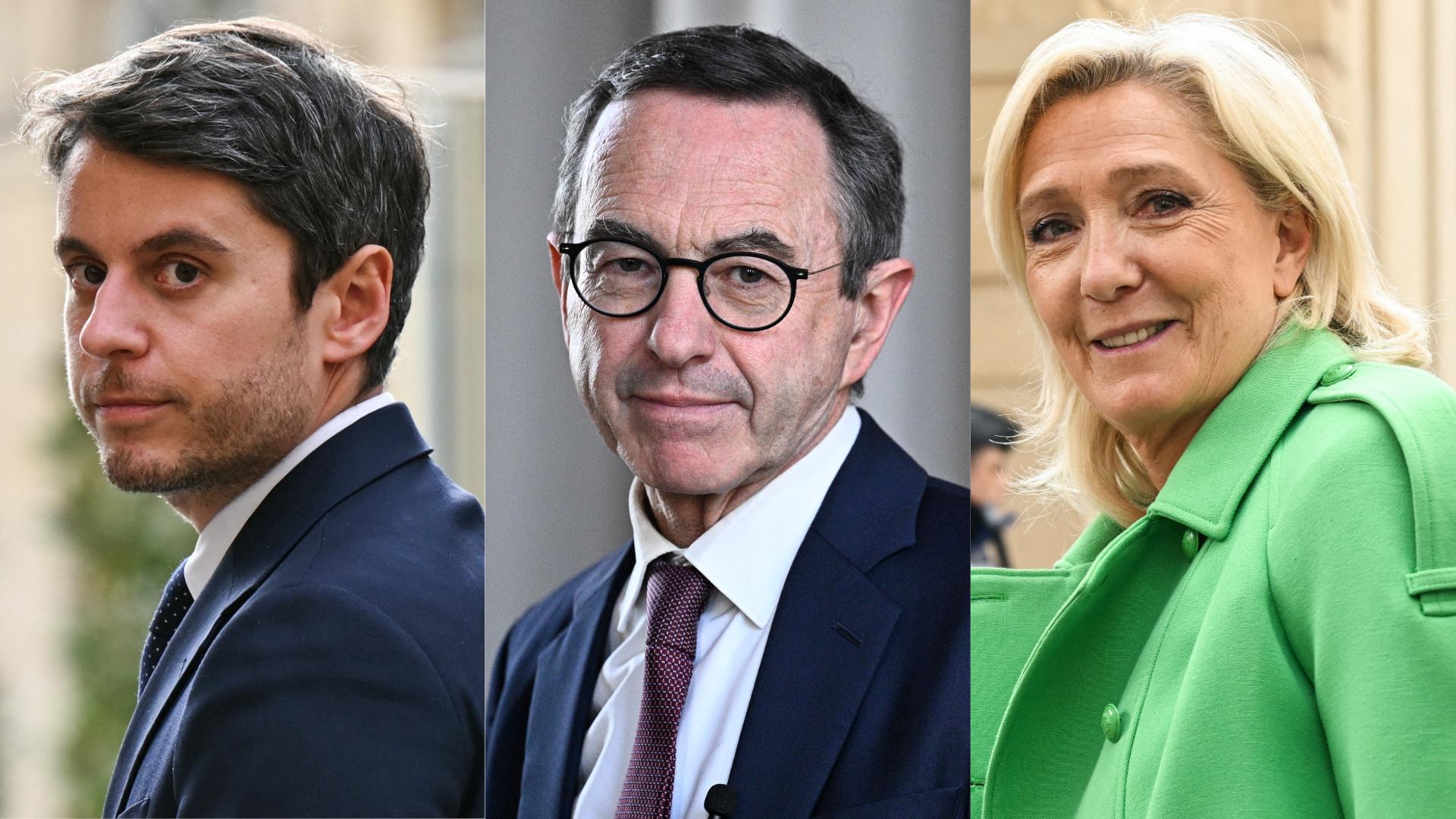
This strategic move has ignited sharp criticisms from opposition figures and commentators. Gabriel Attal of Renaissance condemned these alliances via social media as hypocritical and contradictory to democratic principles. Marine Le Pen echoed these sentiments, calling the collaboration a disgrace. The core of their critique revolves around LFI's controversial reputation, particularly regarding allegations against its leader Jean-Luc Mélenchon, who is widely regarded as France's most disliked political figure. Mélenchon and LFI face accusations related to antisemitism, radical political rhetoric, and tacit support for extremist causes, which opponents argue threaten democracy.
Olivier Faure, the PS's first secretary, has defended these localized agreements, emphasizing that there is no overarching national pact with LFI. He assured that any candidates expressing antisemitic views would be held accountable. Despite Faure's reassurances, analyses suggest the electoral gains made by LFI could paradoxically amplify Mélenchon's influence, challenging claims that his confrontational tactics have limited appeal.
Commentary from political analysts points to a broader concern that the left's alliance with LFI represents a "shameful" compromise that jeopardizes democratic values. Additionally, past incidents involving violent episodes and radical statements by LFI militants deepen the unease surrounding these partnerships.
As the second round of elections approaches, the left must navigate internal tensions and external criticisms while attempting to unify against right-wing challenges, all under the shadow of ongoing debates about LFI's place in French politics and democracy.