Legal and Administrative Challenges Shape October 24 Protests in France
French courts and prefectural authorities enforce legal boundaries and security measures amidst protests on October 24, 2026, amidst disputes over authorized routes and public safety safeguards.
Key details
- Court upheld the prefecture's authorized protest route in Paris, rejecting organizers' appeal.
- Prefect of Pyrénées-Atlantiques issued prohibitory orders to prevent disturbances after unregistered protests.
- Security measures include bans on weapons and disguises, with police empowered to disperse violent assemblies.
- Local businesses advised to protect premises and possibly close to avoid confrontation risks.
As protests unfold across France on October 24, 2026, legal disputes and administrative measures are prominently influencing the organization and management of demonstrations. In Paris, the administrative court has rejected an appeal from demonstrators' organizers challenging the designated protest route. According to Le Monde, this route between Porte d’Italie and Porte de Vincennes remains the sole authorized path despite the organizers' criticism of it as "imposed." The prefecture and inter-union groups had agreed on a separate route from Bastille to Nation, but the court's ruling upheld the prefecture's decision.
Meanwhile, in the Pyrénées-Atlantiques region, the Prefect addressed issues stemming from unregistered gatherings in Pau and Bayonne, which led to disturbances of public order. The Prefect announced prohibitory orders targeting areas of unrest to prevent further incidents, while emphasizing the need to balance constitutional rights of assembly and expression with the maintenance of public order. Measures will include bans on carrying weapons and disguises at protests, police authority to disperse groups especially if violence against officers occurs, and the deployment of reinforced law enforcement presence.
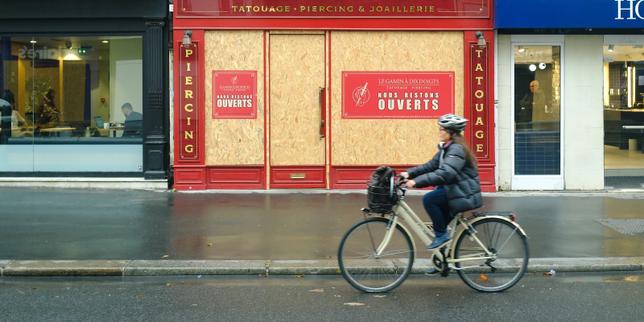
Local businesses have been urged to take precautions by securing their premises and may need to close in the face of hostile situations to avoid risking legal consequences from self-defense actions. The Prefect stressed that lawful assembly requires proper declarations, noting that while late submissions would be accepted to facilitate organization, unregistered protests pose significant challenges to security and public safety.
Together, these developments highlight the complex legal and organizational landscape French authorities and protest groups navigate amidst the social mobilizations of October 24, reflecting ongoing tensions between civic rights and public security enforcement.
Source articles (2)
-
lemonde.fr Oct 24, 2026
EN DIRECT, manifestations du 24 octobre : à Paris, le parcours entre la porte d’Italie et la porte de Vincennes reste le seul autorisé, après le rejet d’un recours par le tribunal administratif
-
pyrenees-atlantiques.gouv.fr Oct 24, 2026
Déclaration du préfet des Pyrénées-Atlantiques - Mobilisation sociale