Massive Protests Sweep France Over Economic Struggles in November 2026
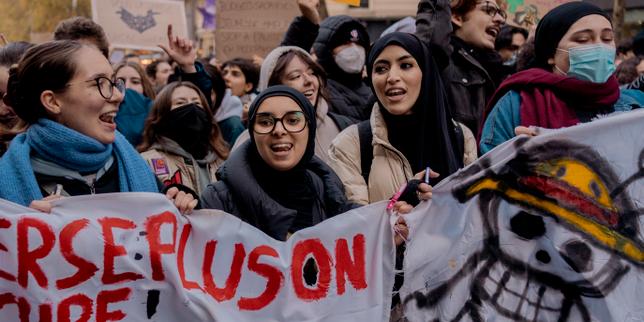
Hundreds of thousands of French citizens staged major protests in early November 2026 demanding better purchasing power and a higher minimum wage, highlighting widespread economic discontent.
Key details
- On November 5, 193 processions involved up to 1.6 million people according to union estimates, with the Interior Ministry reporting 575,000.
- Protests continued on November 6 with approximately 600,000 demonstrating across France.
- The demonstrations included students, yellow vests, farmers, and various union coalitions.
- The French Minister of Labor aims to reach a 1,500 euro net minimum wage in response to protest demands.
On November 5 and 6, 2026, France witnessed one of its largest waves of social protests in recent years, as hundreds of thousands of citizens mobilized to demand improvements in purchasing power and economic conditions. The primary demonstrations on November 5 featured 193 processions across the country, with organizers from a coalition of unions reporting 1.6 million participants, while the Ministry of the Interior cited a more conservative estimate of 575,000. This discrepancy underscores the vast scale and significance of the mobilization, involving a broad spectrum of society including high school students, university attendees, "gilets jaunes" activists, and agricultural workers.
The following day, protests continued with approximately 600,000 demonstrators again taking to the streets nationwide, signaling persistent unrest and determination among the French people to push for economic reforms. The movement drawing these large crowds is fueled by concerns over the cost of living and wage levels, prompting significant public outcry and demands for change.
In response to the mounting pressure, the French Minister of Labor has publicly expressed the government's ambition to surpass the milestone of a 1,500 euro net minimum wage (Smic), a prominent demand among protesters. This concession attempt comes amid ongoing calls for further demonstrations, especially driven by the "gilets jaunes," who remain actively engaged in sustaining the momentum of the protest movement.
These events represent a critical moment in France's socio-political landscape, with massive popular participation reflecting deep dissatisfaction over economic hardships. The coalition behind the demonstrations highlights the widespread nature of these grievances, cutting across age groups and occupational sectors. The government's response and the continuation of protests will be pivotal in determining the future trajectory of this significant social mobilization.
Source articles (3)
-
lemonde.fr Nov 6, 2026
Grève du 5 novembre : entre colère sociale et révolte politique, une mobilisation massive pour le pouvoir d’achat
-
liberation.fr Nov 6, 2026
EN DIRECT – Mouvement social : le ministre du Travail veut essayer «de franchir la barre» du Smic à 1 500 euros net
-
google.com Nov 6, 2026
France : environ 600.000 personnes dans la rue pour une nouvelle journée de mobilisation
Source comparison
Estimated number of demonstrators
Sources report different estimates of the number of demonstrators
lemonde.fr
"an estimated 1.6 million demonstrators according to the General Confederation of Labor (CGT)"
google.com
"approximately 600,000 people took to the streets"
Why this matters: The first source claims 1.6 million demonstrators according to the CGT, while the third source states approximately 600,000 people participated. This discrepancy significantly affects the understanding of the protest's scale and public engagement.