Nordic Countries Divided over Macron's 2026 Nuclear Cooperation Initiative
Nordic countries show varied reactions to Emmanuel Macron's 2026 nuclear cooperation plan, highlighting diplomatic divisions within Europe.
Key details
- Macron announced a nuclear cooperation initiative including Nordic countries like Sweden and Denmark on March 2, 2026.
- Norway declined participation, emphasizing the need for formal discussions over announcements.
- Finland is cautiously engaging, preparing a nuclear deterrence bill and not confirming involvement yet.
- At a Paris summit, 27 countries called to accelerate nuclear investments to triple capacity by 2050, supporting Macron's nuclear agenda.
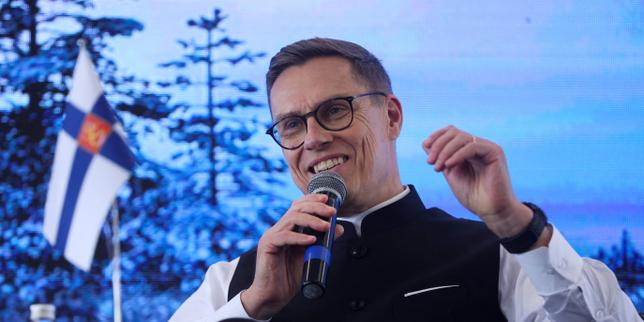
On March 2, 2026, French President Emmanuel Macron announced a European nuclear cooperation initiative involving several countries, including Nordic states such as Sweden and Denmark. However, the announcement has exposed divisions among Nordic countries regarding participation. Norway declined to join the initiative, with Norwegian Foreign Minister Espen Barth Eide emphasizing the need for official and formal discussions rather than public statements, particularly criticizing the announcement during Macron's speech at a submarine base. Meanwhile, Denmark and Sweden accepted the nuclear cooperation proposition. Finland's President Alexander Stubb confirmed ongoing discussions with France but was cautious about prematurely revealing Finland's involvement, citing that the Finnish government is in the process of preparing a nuclear deterrence bill.
This division underscores the complexities and sensitivities surrounding international nuclear collaboration within the Nordic region. Amid this, Macron has been vigorously promoting civil nuclear energy, highlighted by the summit in Paris where 27 countries urged accelerated public and private investments to triple the planet's nuclear capacity by 2050, a goal solidified at COP28. While Macron pushes forward with a vision for expanded nuclear energy cooperation, the Nordic countries' varied responses illustrate the diplomatic nuanced landscape this initiative faces, especially concerning national security doctrines and formal diplomatic protocols.
Source articles (2)
-
lemonde.fr Mar 10, 2026
Dissuasion nucléaire : les pays nordiques en ordre dispersé
-
france24.com Mar 10, 2026
Sommet du nucléaire à Paris : 27 pays appellent à accélérer les investissements publics comme privés