Paris Apartment Floor Collapse Sparks Structural Integrity Questions
A floor collapse in a historic Paris apartment injured 20, with structural weaknesses linked to water damage raising safety concerns about aging buildings.
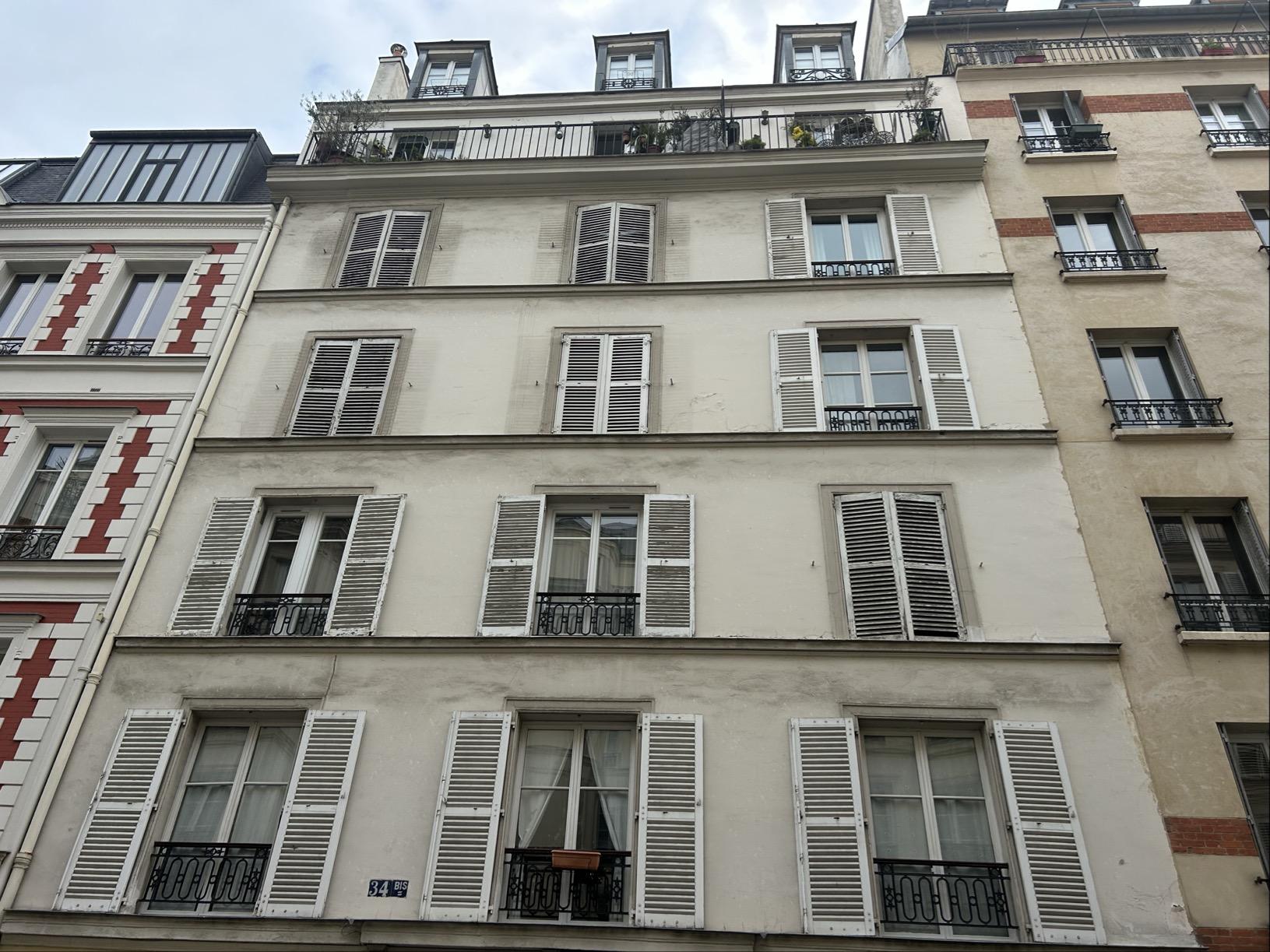
Key details
- A floor collapsed during a party in a 19th-century Paris building, injuring 20 people.
- Investigations indicate the collapse was structural, not caused by a gas leak.
- Water infiltration from a balcony likely weakened the floor leading to failure.
- Structural engineer Pierre Mouchel highlights the vulnerability of old floors and the importance of monitoring.
- The incident raises questions about load capacity and maintenance of aging buildings in Paris.
In the early hours between January 17 and 18, 2026, a floor in a Paris apartment building from the early 19th century catastrophically collapsed during a party, injuring 20 people. The collapse occurred as the upper floor gave way onto the apartment below, leading to a terrifying scene described by a journalist who was present. The journalist recalled being thrown into rubble alongside other occupants, describing the moment as harrowing and life-threatening.
Initial investigations have ruled out a gas leak as the cause of the failure and instead point to structural reasons. Authorities have particularly noted water infiltration from a balcony as a probable factor that weakened the floor’s integrity over time. This raises critical questions about the impact of aging infrastructure in Parisian buildings and their ability to support weight safely. Experts like Pierre Mouchel, a structural engineer specializing in old buildings, emphasize that such collapses rarely occur without warning signs, highlighting the vulnerability of older floors to environmental damage and structural fatigue.
The incident has sparked wider discussions on how building age and maintenance affect stability, as well as the maximum load floors in these historic buildings can sustain. Mouchel’s insights underline that floors in older constructions require careful monitoring and preservation to prevent such disasters. This tragedy exposes the need for rigorous structural assessments, especially in heritage urban environments where modern usage pressures may exceed original design limits.
As emergency services continue to care for the injured, authorities are expected to deepen their inquiry into the precise sequence of structural failures and evaluate potential preventive measures to avoid similar incidents in the future. Meanwhile, residents and experts alike remain anxious about the safety of Paris’ aging residential stock and the urgent measures needed to safeguard them.
Source articles (2)
-
liberation.fr Jan 18, 2026
Effondrement d’un appartement à Paris : «Je me suis vu mourir»
-
lefigaro.fr Jan 18, 2026
Effondrement à Paris : «Un plancher ancien ne s’effondre jamais par hasard»
Source comparison
Number of injuries
Sources disagree on the number of injuries from the collapse.
liberation.fr
"This incident highlights the dangers and unpredictability of structural failures in urban environments."
lefigaro.fr
"A floor collapsed, injuring one person severely and 19 others with lighter injuries."
Why this matters: One source reports 20 injuries (1 severe and 19 lighter), while the other source does not mention any injuries but focuses on the journalist's experience. This discrepancy affects the understanding of the incident's impact on people.