Political Dynamics and Hopes for Clemency in Algerian Prison Sentences Stir French-Algerian Tensions
Algerian court sentences of French journalist Christophe Gleizes and writer Boualem Sansal highlight hopes and uncertainties around President Tebboune's use of clemency amid escalating French diplomatic concerns.
Key details
- Algerian courts confirmed prison sentences for Boualem Sansal (5 years) and Christophe Gleizes (7 years).
- French Prime Minister François Bayrou hopes for clemency from Algerian President Tebboune following Sansal's pardon.
- Gleizes's family shocked by verdict, exploring cassation appeal and seeking a presidential pardon opportunity.
- French government and public organizations escalate efforts to secure Gleizes's release amid diplomatic tensions.
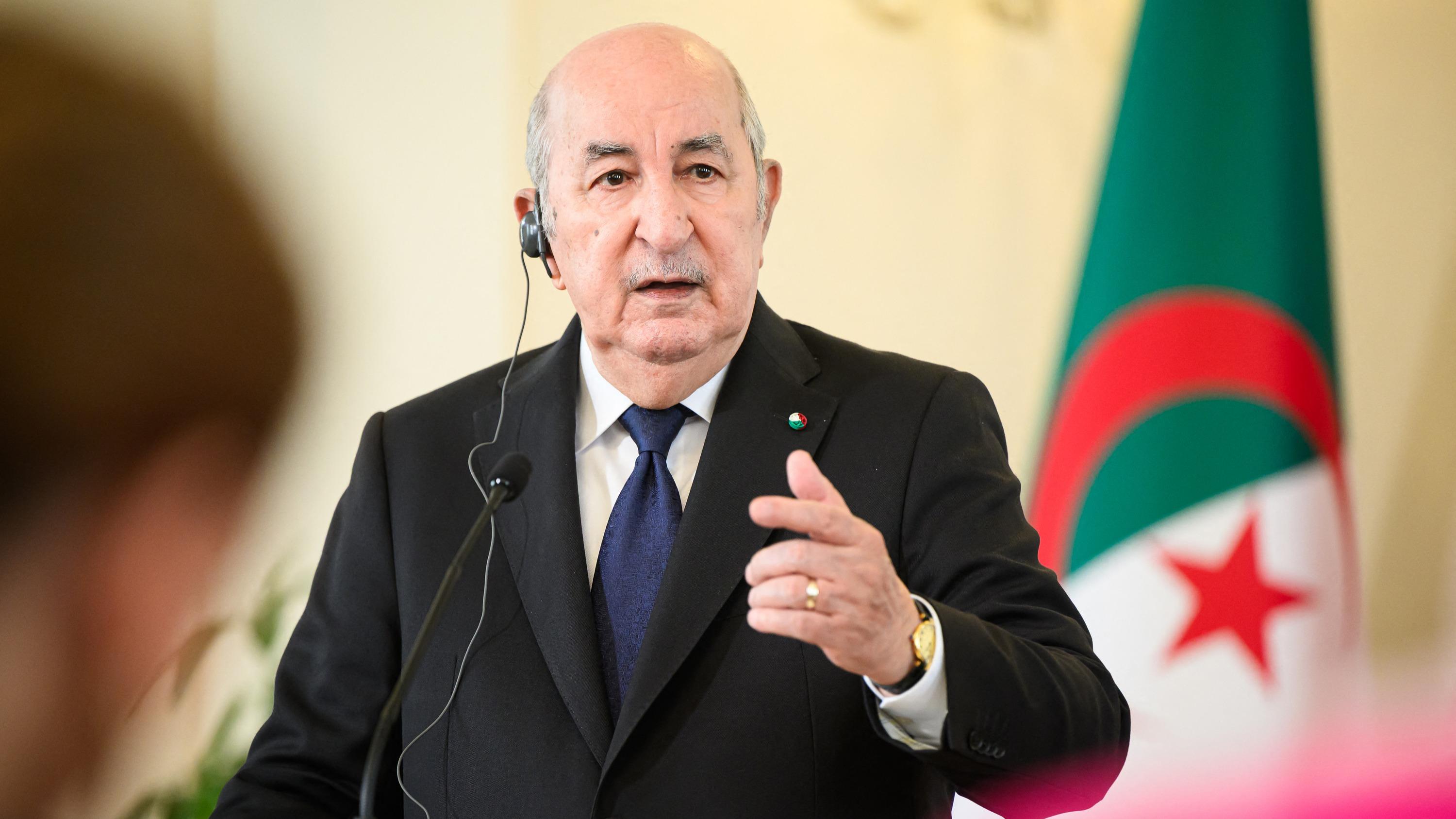
Algerian courts recently confirmed harsh sentences for figures critical or connected to French interests, including a five-year prison term for writer Boualem Sansal and a seven-year sentence for French journalist Christophe Gleizes. These verdicts have prompted significant reactions in France and spotlighted the political leverage of presidential clemency under Algerian President Abdelmadjid Tebboune.
Boualem Sansal's sentence triggered expressions of hope within French political circles, notably from Prime Minister François Bayrou, who called for clemency measures from Tebboune. This hope was juxtaposed with the harsher treatment of Christophe Gleizes, a journalist arrested in May 2024 after being accused of having ties to the Movement for the Autodetermination of Kabylie (MAK), a group blacklisted as terrorist in Algeria since 2021. Gleizes was sentenced for "glorifying terrorism," a charge derived from his journalistic activities including coverage of Algerian football.
Gleizes' family expressed shock and profound disappointment at the verdict, especially following the partial reprieve granted to Sansal through a presidential pardon. They remain determined to fight the conviction through legal means and possible presidential grace, with lawyer Emmanuel Daoud noting that pursuing a cassation appeal might provide temporary release while a higher court deliberates. The appeal process, however, is expected to be lengthy.
The French government, led by President Emmanuel Macron, has committed to advocating for Gleizes’s release, viewing it as a critical diplomatic issue. Concurrently, public mobilization is gathering momentum. Reporters Without Borders has urged the journalism community and sporting bodies, including the Ligue de football professionnel, to rally support. Indeed, Gleizes's family organized a solidarity march in Avignon during the festival as part of wider awareness efforts.
The use of presidential clemency in Algeria is seen as a "pressure valve" by observers to avoid perceptions of total oppressive lockdowns, allowing Tebboune politically calculated room to manage dissenting voices. While clemency granted to Sansal inspired hope, Gleizes's maintained sentence illustrates the fraught and selective application of this prerogative, reflecting broader tensions between Algeria's political control and international pressure.
As of now, the future for Gleizes hinges on possible legal appeals or presidential pardon decisions amid ongoing diplomatic and public campaigns, underscoring the complex interplay of justice, politics, and international relations impacting French-Algerian ties.
Source articles (2)


Source comparison
Sentence length for Christophe Gleizes
Sources disagree on the length of Christophe Gleizes' prison sentence.
lefigaro.fr
"Algerian courts have confirmed a five-year prison sentence for writer Boualem Sansal."
france24.com
"The Algerian court confirmed a seven-year prison sentence for journalist Christophe Gleizes."
Why this matters: One source states that Gleizes received a seven-year sentence, while the other claims it was confirmed as a five-year sentence. This discrepancy significantly affects the understanding of the severity of his legal situation.