Pressure Mounts on Prime Minister Lecornu to Consider Article 49.3 for 2026 Budget Approval
French PM Sébastien Lecornu resists pressure to use article 49.3 amid political calls to secure 2026 budget passage and avoid major deficit.
Key details
- Senate President Gérard Larcher calls on PM Lecornu to consider using article 49.3 to pass the budget.
- Republican leader Bruno Retailleau urges Lecornu to 'assume' the use of article 49.3 amid Socialist Party dynamics.
- Prime Minister Lecornu remains committed to parliamentary debate and rejects 49.3 use for now.
- The government faces internal divisions and risks a 30 billion euro deficit if the budget is not approved.
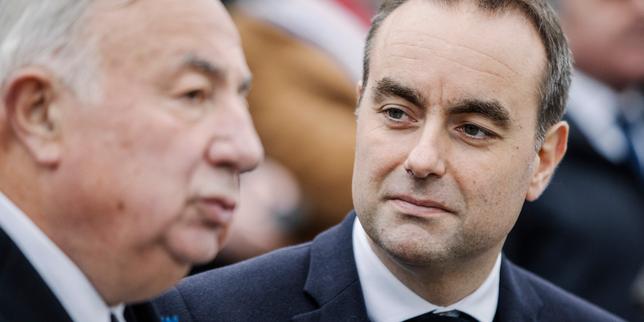
During the Armistice commemoration on December 3, French Prime Minister Sébastien Lecornu faced growing pressure from political leaders to reconsider his stance against using the constitutional article 49.3 to pass the 2026 budget. Senate President Gérard Larcher urged Lecornu to "envisage" employing 49.3, emphasizing it is a governance tool rather than an anti-democratic weapon, and criticized the Prime Minister for not consulting key allies on this decision or on pension reforms. Similarly, Bruno Retailleau, leader of the Republicans, called on Lecornu to "assume" the use of article 49.3 to facilitate approval of the state and social security budgets, arguing that the Socialist Party would not support a censure motion against the government.
Despite these calls, Lecornu reaffirmed his commitment to resist using 49.3, aiming to restore parliamentary authority amid demands primarily from the Socialists. The Senate, dominated by the right, is rigorously reviewing and often rejecting budget compromises proposed by the National Assembly, focusing heavily on fiscal responsibility and equity.
The government is currently grappling with internal divisions and difficulties in building consensus on the 2026 social security budget. The government spokesperson reiterated the commitment to thorough parliamentary debate, highlighting the upcoming vote scheduled for December 9 as crucial. Failure to pass the budget could trigger a deficit exceeding 30 billion euros, posing significant financial challenges.
This political debate highlights the tension between maintaining parliamentary legitimacy and ensuring swift passage of essential budget legislation amid a divided legislature and high stakes for France's financial stability.
Source articles (2)
-
lemonde.fr Dec 3, 2025
Budget 2026 : Gérard Larcher appelle Sébastien Lecornu à « envisager » le 49.3, après que Bruno Retailleau l’a incité à en « assumer » le recours
-
dijon-actualites.fr Dec 3, 2025
Dijon : le budget 2026 présenté aux habitants, Dijon Actualités élargit la portée du débat public en diffusant la vidéo de la présentation