Anesthetist Frédéric Péchier Sentenced to Life Imprisonment for 30 Patient Poisonings
Frédéric Péchier, an anesthetist, was sentenced to life imprisonment for poisoning 30 patients, including 12 deaths, in a landmark French medical criminal case.
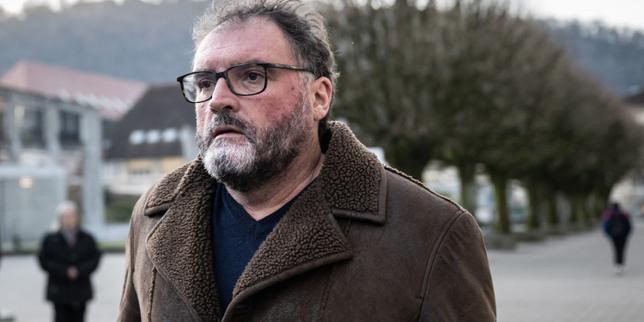
Key details
- Frédéric Péchier convicted of poisoning 30 patients, causing 12 deaths between 2008 and 2017.
- He received a life sentence with a 22-year safety period and a permanent medical practice ban.
- Prosecution called him one of history’s greatest criminals who used medicine to kill.
- Defense argued lack of irrefutable evidence and plans to appeal.
- The trial lasted 15 weeks with emotional testimonies and intense legal discussions.
On December 18, 2025, anesthetist Frédéric Péchier was sentenced to life imprisonment by the Doubs assize court for poisoning 30 patients, including 12 fatalities. The criminal acts occurred between 2008 and 2017 in two private clinics in Besançon and involved deliberate contamination of intravenous bags with substances such as potassium, local anesthetics, adrenaline, and heparin. These actions led to cardiac arrests or hemorrhages in vulnerable patients aged between 4 and 89 years old.
The prosecution branded Péchier, aged 53, ‘‘one of the greatest criminals in history,’’ accusing him of using medicine as a tool for murder and alleging his motivation stemmed from a desire for power and to psychologically impact his colleagues with whom he had ongoing conflicts. Following three days of deliberation after a 15-week trial filled with intense testimonies and legal debate, the court imposed a life sentence with a 22-year period of mandatory incarceration before parole eligibility, alongside a permanent ban on practicing medicine.
Throughout the trial, Péchier maintained his innocence, repeatedly stating, "I am not a poisoner," and admitted only that a poisoner had operated in one clinic but disavowed any personal responsibility. Emotional moments punctuated proceedings, including his breakdown recounting a 2021 suicide attempt. His defense lawyer, Randall Schwerdorffer, criticized the prosecution’s evidence as insufficiently conclusive and suggested plans for an appeal, emphasizing the lack of irrefutable proof linking Péchier directly to the poisonings.
The trial spotlighted the tragic impact on victims and raised complex issues of medical ethics and criminality within healthcare settings, signifying one of France’s most harrowing criminal cases involving healthcare professional misconduct. The verdict and imposed sentence mark a stern judicial response to crimes committed under the guise of medical expertise, underscoring the gravity of Péchier’s abuses of trust and authority.
Source articles (2)
-
lemonde.fr Dec 18, 2025
Frédéric Péchier condamné à la réclusion criminelle à perpétuité
-
lefigaro.fr Dec 18, 2025
Procès Péchier : l’anesthésiste reconnu coupable des 30 empoisonnements et condamné à la perpétuité
Source comparison
Length of jury deliberation
Sources disagree on the length of jury deliberation
lemonde.fr
"The jury deliberated in secret for 15 weeks."
lefigaro.fr
"Following three days of deliberation, the court imposed a life sentence."
Why this matters: One source states the jury deliberated for 15 weeks, while the other claims it was only three days. This discrepancy significantly affects the understanding of the trial's complexity and the deliberation process.