Antisemitism Accusations Against Jean-Luc Mélenchon Fuel Left-Wing Tensions Ahead of 2026 Municipal Elections
Jean-Luc Mélenchon faces criticism over alleged antisemitic remarks, deepening divisions within the French left just before the 2026 municipal elections.
Key details
- Former President François Hollande condemns Mélenchon’s remarks as having antisemitic undertones and warns of political isolation.
- Manuel Bompard of LFI calls for a united antifascist front through technical mergers in the municipal elections' second round.
- PS leader Olivier Faure criticizes Mélenchon for damaging left-wing unity with unacceptable comments.
- Tensions between PS and LFI have escalated, complicating left-wing alliances ahead of March 22 elections.
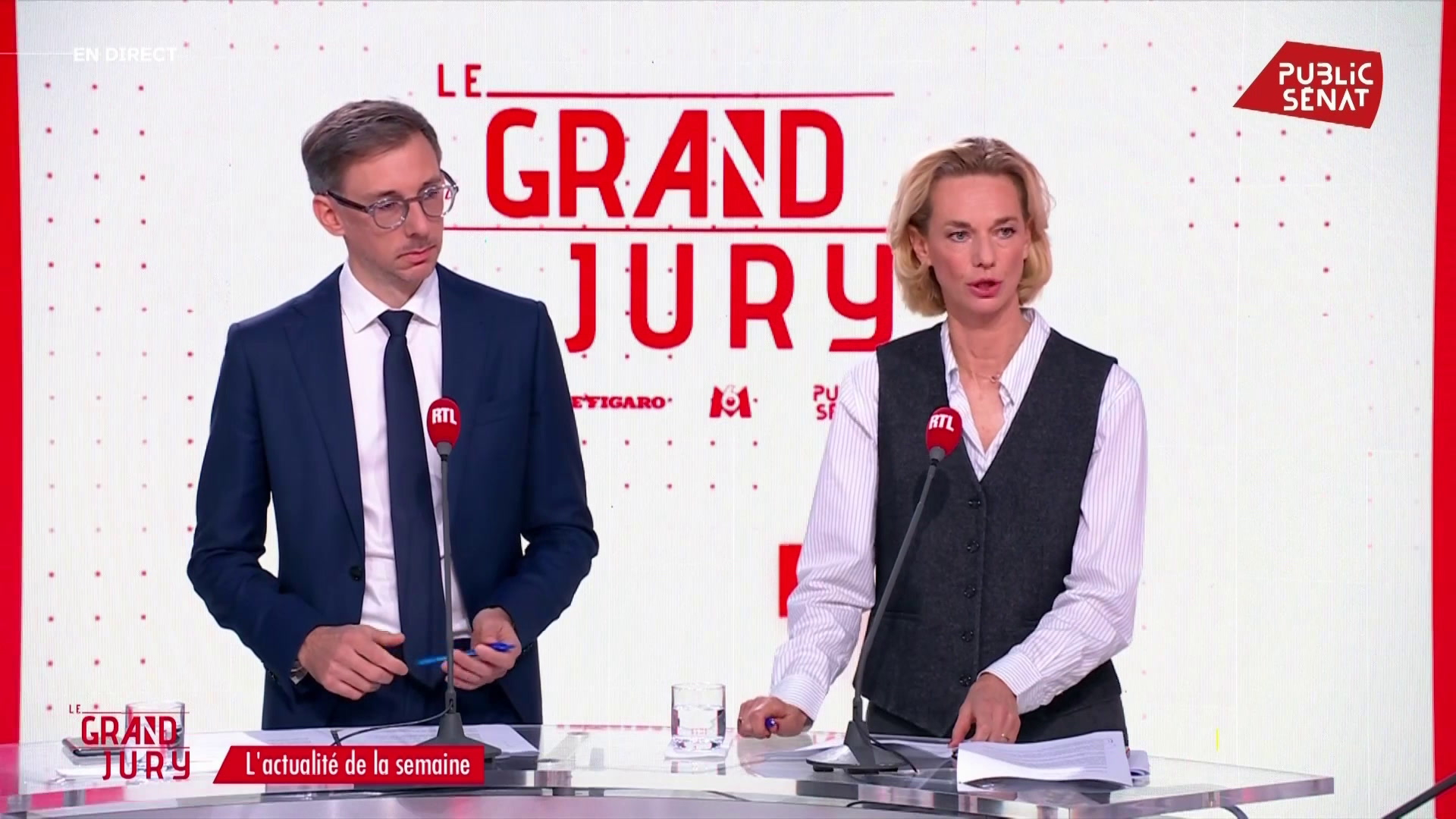
Jean-Luc Mélenchon, leader of La France Insoumise (LFI), is at the center of a political storm due to accusations of antisemitic remarks. Former President François Hollande condemned Mélenchon's comments during an appearance on Grand Jury on March 8, 2026, describing them as having an antisemitic connotation and reflecting a worrying "drift" in political discourse. Hollande expressed concern that alliances between the Socialist Party (PS) and LFI for the upcoming municipal elections could alienate voters and lead to Mélenchon's political isolation. He particularly criticized Mélenchon for playing with names and physical traits tied to Jewish identity in a political context, calling this behavior especially disturbing.
This controversy has deepened tensions within the left ahead of the March 22 municipal elections. LFI’s national coordinator Manuel Bompard has advocated for forming a "front antifascist" through technical mergers with other left-wing parties in the second round to prevent nationalist right-wing victories. Despite LFI’s efforts to unite, PS leader Olivier Faure openly criticized Mélenchon for his remarks concerning Jewish-sounding names, calling them unacceptable and accusing him of damaging leftist unity. Bompard, on the other hand, condemned what he described as a "dishonest cabal" against LFI, labeling the PS's reaction as irresponsible.
The election rules permitting merges between lists that secure at least 5% of votes in the first round have made alliances crucial in preventing the far-right from advancing. However, the antisemitism accusations and ensuing political fallout have strained cooperation, potentially jeopardizing left-wing unity in a pivotal electoral contest.
Former President Hollande emphasized the gravity of Mélenchon's statements, highlighting that his apology for misnaming individuals such as Raphaël Glucksmann fell short of addressing the harm caused. The dispute reveals not only individual controversies but also the broader challenge the left faces in reconciling divisions amid rising nationalist pressures ahead of the 2026 municipal elections.