Brigitte Bardot's Death Sparks Burial Decisions and National Homage Debate
The death of Brigitte Bardot at 91 has led to her burial in Saint-Tropez's marine cemetery and sparked debate over a national tribute, with political divides and Bardot’s own wishes for simplicity influencing the controversy.
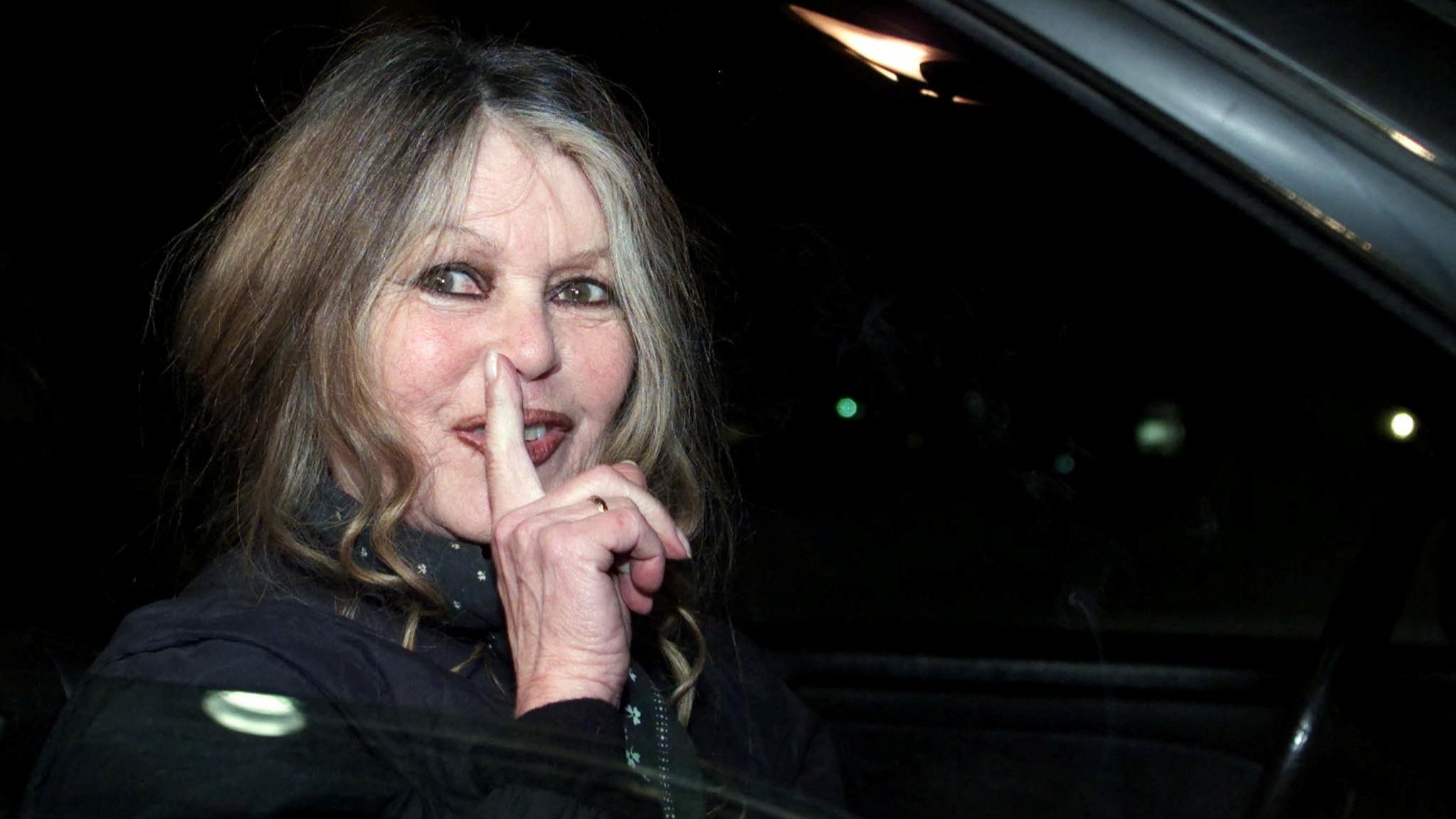
Key details
- Brigitte Bardot will be buried in the marine cemetery of Saint-Tropez rather than her desired property La Madrague.
- Political factions are split: right-wing supports a national tribute, left-wing opposes it over Bardot's controversial political history.
- Bardot reportedly did not want a national homage, preferring a modest and simple farewell.
- Eric Ciotti urged President Macron to honor Bardot as a French national symbol, while Olivier Faure rejected the tribute citing republican values.
Brigitte Bardot, the iconic French actress and symbol of 1960s France, passed away at the age of 91 at her home in Saint-Tropez, surrounded by her husband Bernard d'Ormale. Following her death, Bardot will be buried in the marine cemetery of Saint-Tropez, the resting place of her parents, rather than in her beloved property La Madrague as she had initially wished. The decision was made by local authorities despite Bardot's prior preference to rest at La Madrague, a location she considered more private and protected from potential public disturbances. She had expressed a desire to avoid crowds damaging her family graves, stating in 2018 that she preferred the tranquility of her property over the Saint-Tropez cemetery.
The announcement of Bardot's death also triggered a political debate over whether to organize a national tribute in her honor. Eric Ciotti, leader of the Union of Rights for the Republic and ally of the far-right Rassemblement National, called on President Emmanuel Macron to pay homage to Bardot, whom he described as "Marianne," the embodiment of French identity in the 1960s. Ciotti cited the example of a national tribute held for singer Johnny Hallyday and noted a petition with over 8,500 signatures supporting the call.
However, left-wing politicians, led by Olivier Faure, first secretary of the Socialist Party, strongly opposed the idea, arguing that national tributes should be reserved for those who have rendered exceptional services to the nation. Faure highlighted Bardot's controversial political stances, including her past legal convictions for racism, calling such an homage inconsistent with republican values. Other left-wing voices acknowledged Bardot's cultural significance but did not support a formal tribute.
Close associates and journalists who knew Bardot confirmed that she herself did not wish for any national homage, preferring simplicity over ceremonies. Journalist Wendy Bouchard remarked that Bardot was uninterested in honors, and biographer Steven Bellery noted her vision of a modest farewell, possibly at her Saint-Tropez home.
As preparations continue for Bardot’s funeral in the Var region, debates persist about her complex legacy — an emblematic figure of French cinema and culture, yet a divisive personality in politics. Meanwhile, the town hall of Saint-Tropez confirmed the burial arrangements but has not announced a date for the ceremony.
Source articles (3)
-
lefigaro.fr Dec 29, 2025
Mort de Brigitte Bardot : la star ne sera pas enterrée à La Madrague mais au cimetière marin de Saint-Tropez
-
lemonde.fr Dec 29, 2025
Faut-il organiser un hommage national à Brigitte Bardot ? Une question devenue politique
-
Brigitte Bardot ne souhaitait pas d’hommage national ; gauche et extrême droite se divisent sur la question
Source comparison
Desire for national tribute
Sources disagree on whether Bardot desired a national tribute.
lefigaro.fr
"Close associates of Bardot have indicated that she did not desire a national tribute."
lemonde.fr
"Eric Ciotti urged President Macron to hold a national tribute for Brigitte Bardot."
Why this matters: One source claims Bardot's associates indicated she did not want a national tribute, while another source does not mention this and focuses on political calls for the tribute. This affects understanding of Bardot's legacy and the appropriateness of honoring her posthumously.