Debate Intensifies Over Europe's Ability to Independently Ensure Its Security
French and Dutch leaders debate Europe’s ability to ensure its own security without U.S. support, highlighting strategic and financial challenges.
Key details
- Jean-Noël Barrot asserts Europeans must take charge of their security independently.
- Mark Rutte warns Europe cannot defend itself without U.S. assistance.
- Rutte emphasizes the financial cost of a self-sufficient European defense could reach 10% of GDP.
- Rutte cautions about losing the U.S. nuclear umbrella as a security guarantee.
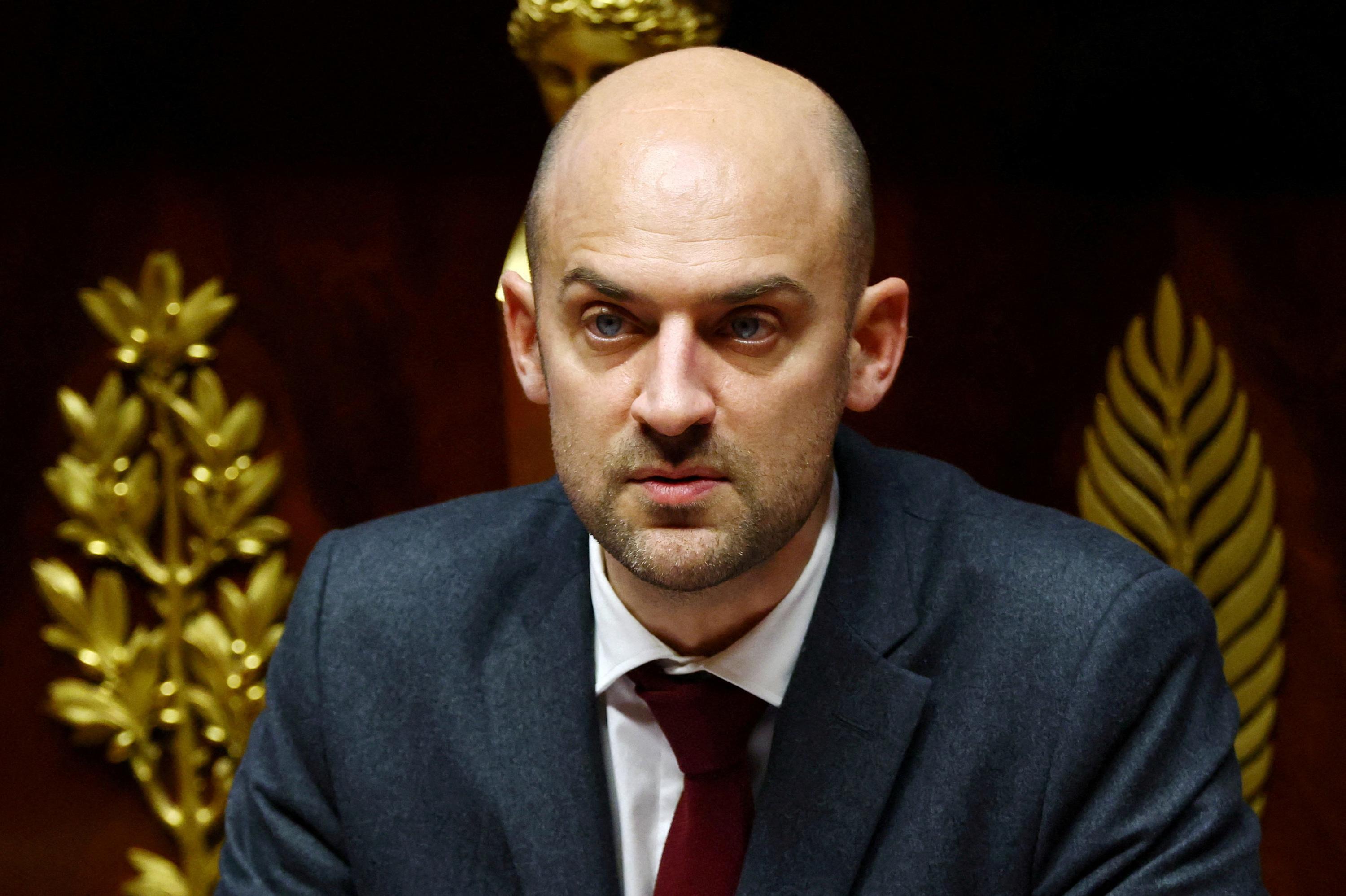
The recent exchange between French Foreign Minister Jean-Noël Barrot and NATO Secretary General Mark Rutte underscores the ongoing debate about Europe's capacity to autonomously manage its own security. Barrot firmly stated, "No, dear Mark Rutte. Europeans can and must take charge of their security," emphasizing that even the United States recognizes the importance of a robust European pillar within NATO. This perspective supports a vision of European strategic autonomy in defense matters.
Conversely, Rutte presented a more cautious viewpoint to the European Parliament, arguing that Europe cannot defend itself without substantial U.S. assistance. He highlighted the significant financial burden that would come with developing an independent European defense capability, estimating the cost to rise to 10% of the continent's GDP—double current expenditures. Rutte also pointed out the strategic loss Europe would face by potentially relinquishing the American nuclear umbrella, which he described as the "ultimate guarantor of our freedom."
This divergence reflects the complex strategic and economic considerations underpinning the European security autonomy debate. France, among other European nations, is thus confronted with weighing the financial challenges and risks of diminished U.S. protection against the ambition to cultivate a self-reliant defense structure. The discussion remains vital to the future of NATO and Europe's geopolitical posture.
Source articles (2)
-
lefigaro.fr Jan 26, 2026
«Les Européens peuvent et doivent prendre en charge leur sécurité», assure Jean-Noël Barrot, après les propos du patron de l'Otan
-
france24.com Jan 26, 2026
Soumission chimique : 82% des cas dans la sphère privée