Facing the Future: Gironde's Forest Recovery and Canadair Pilot Challenges Amid Increasing Wildfires
As Gironde focuses on forest recovery post-wildfire, France faces critical challenges in pilot shortages and fleet expansion for Canadair firefighting planes amid intensifying fire seasons.
Key details
- The Gironde megafire stabilized on August 1 but is not yet fully extinguished, leading to discussions on preventing future disasters.
- France's civil security operates 23 amphibious aircraft including 12 Canadairs, with only 80 pilots handling complex missions.
- President Macron pledged to increase Canadair fleet to 16 by 2027, with additional planes planned through 2033.
- A significant pilot shortage exists due to stringent experience requirements and comparatively low salaries, affecting recruitment and retention.
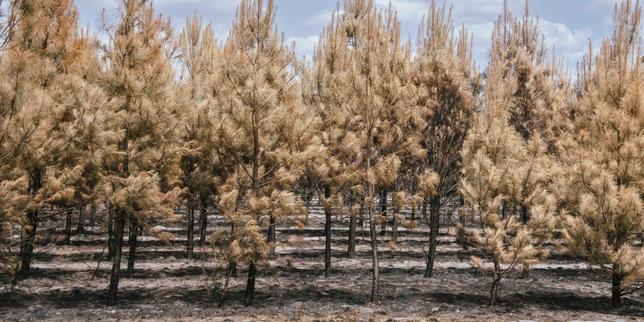
The major wildfire in Gironde, which ravaged 42,000 hectares of forest, has been stabilized since August 1 but remains unextinguished, prompting urgent discussions on prevention and recovery strategies. Forest owners, local residents, elected officials, and state agents are now grappling with measures to foster the emergence of a "new forest" in the affected area, reflecting the complex challenges of environmental regeneration in the wake of unprecedented megafires.
Concurrently, the broader context of France's increasingly severe forest fire season has spotlighted the critical role and limitations of the French civil security's fleet of amphibious Canadair aircraft. As of early August, the fleet comprises 23 amphibious planes, including 12 Canadairs, managed by just 80 official pilots assigned to demanding public service missions. The fleet size has long been criticized as insufficient against the backdrop of worsening wildfires nationwide.
President Emmanuel Macron previously committed to expanding the Canadair fleet from 12 to 16 by 2027; however, new plans now foresee adding two next-generation Canadairs by 2028 and two more by 2033. The principal challenge lies not only in aircraft procurement but also in a substantial shortage of qualified pilots. To serve as a Canadair commander, pilots must hold specific licenses, accumulate 2,400 flight hours as a commander, and possess at least 12 years of professional flying experience. Most of the current 80 civil security pilots come from military or professional aviation backgrounds, vital for handling the hazardous conditions during firefighting missions.
Training a new Canadair commander, as former pilot Christophe Govillot states, takes at least five years, underscoring recruitment difficulties. Additionally, pilot retention suffers due to comparatively low salaries within the civil security service—starting net pay ranges between €3,500 and €4,500 monthly, with seasoned pilots earning up to €5,500, significantly lower than private sector compensation. This salary disparity contributes to a "deficit of attractiveness" for civil security flying careers. Responding to these issues, measures are underway to revise salary structures and legally recognize the inherent dangers of pilots' work.
In summary, as Gironde begins the delicate process of ecological recovery from a devastating wildfire, France simultaneously confronts systemic challenges in firefighting capacity, particularly in staffing and equipping its specialized Canadair pilot force. Both endeavors highlight the complex, long-term actions necessary to adapt to escalating wildfire threats across the country.
Source articles (2)
-
lemonde.fr Aug 4, 2026
En Gironde, après l’incendie, la bataille qui s’annonce pour faire émerger une « nouvelle forêt »
-
la-croix.com Aug 4, 2026
Incendies : qui sont les 44 pilotes de canadairs en France ?