Financial Markets Alert France Over Growing Debt Concerns Ahead of 2027 Election
As financial markets warn of France's debt risks, Marine Le Pen proposes bold savings ahead of the 2027 election amid economic uncertainty.
Key details
- Emmanuel Roman of Pimco warns markets are signaling serious concerns about France's debt and fiscal stability.
- Roman states Pimco is maintaining but not increasing its investments in French debt due to budgetary and political instability.
- Marine Le Pen proposes nearly 140 billion euros in net savings over five years to demonstrate fiscal responsibility.
- Economists question the viability of Le Pen's savings plan and its impact on the French economy.
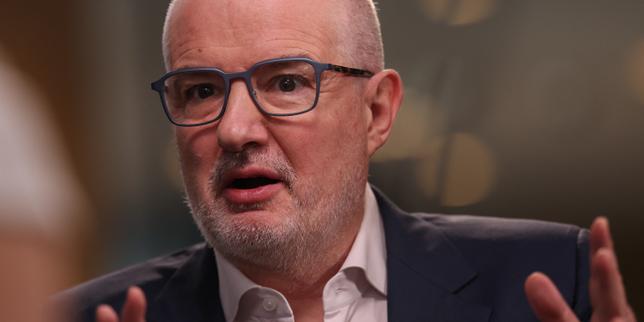
Emmanuel Roman, the CEO of Pimco, a leading global asset management firm, has sounded a clear warning regarding France's national debt situation. Speaking to Le Monde, he highlighted that financial markets are sending a "serious signal" to France amid ongoing budgetary drift and political instability. While Roman affirmed that Pimco is not withdrawing investments from French debt, he stressed that they are also not increasing holdings, indicating a cautious stance tied to concerns over fiscal management in the country.
Concurrently, ahead of the 2027 presidential election, far-right candidate Marine Le Pen unveiled a fiscal plan designed to reassure markets and curb the expanding national debt. Announced on October 6, her proposal entails nearly 140 billion euros in net savings over five years. Le Pen aims to demonstrate budgetary seriousness and forestall further debt escalation, positioning her plan as a solution to economic strains.
However, economic experts have expressed doubts about the feasibility of these savings targets, questioning the calculations that underpin the proposal and the potential economic repercussions if implemented. This skepticism underscores the broader uncertainty around France's fiscal trajectory as election debates intensify.
Roman's remarks and Le Pen's fiscal strategy together paint a picture of a country at a financial crossroads. The caution exhibited by major investors alongside politically charged proposals reflect the significant challenges France faces in maintaining fiscal stability amid electoral pressures and market scrutiny.