FLNKS Rejects Elysée-Oudinot Agreement in New Caledonia, Citing Threats to Sovereignty and Electoral Rights
The FLNKS has rejected the Elysée-Oudinot agreement, citing concerns over sovereignty and electoral rights amid New Caledonia’s decolonization efforts.
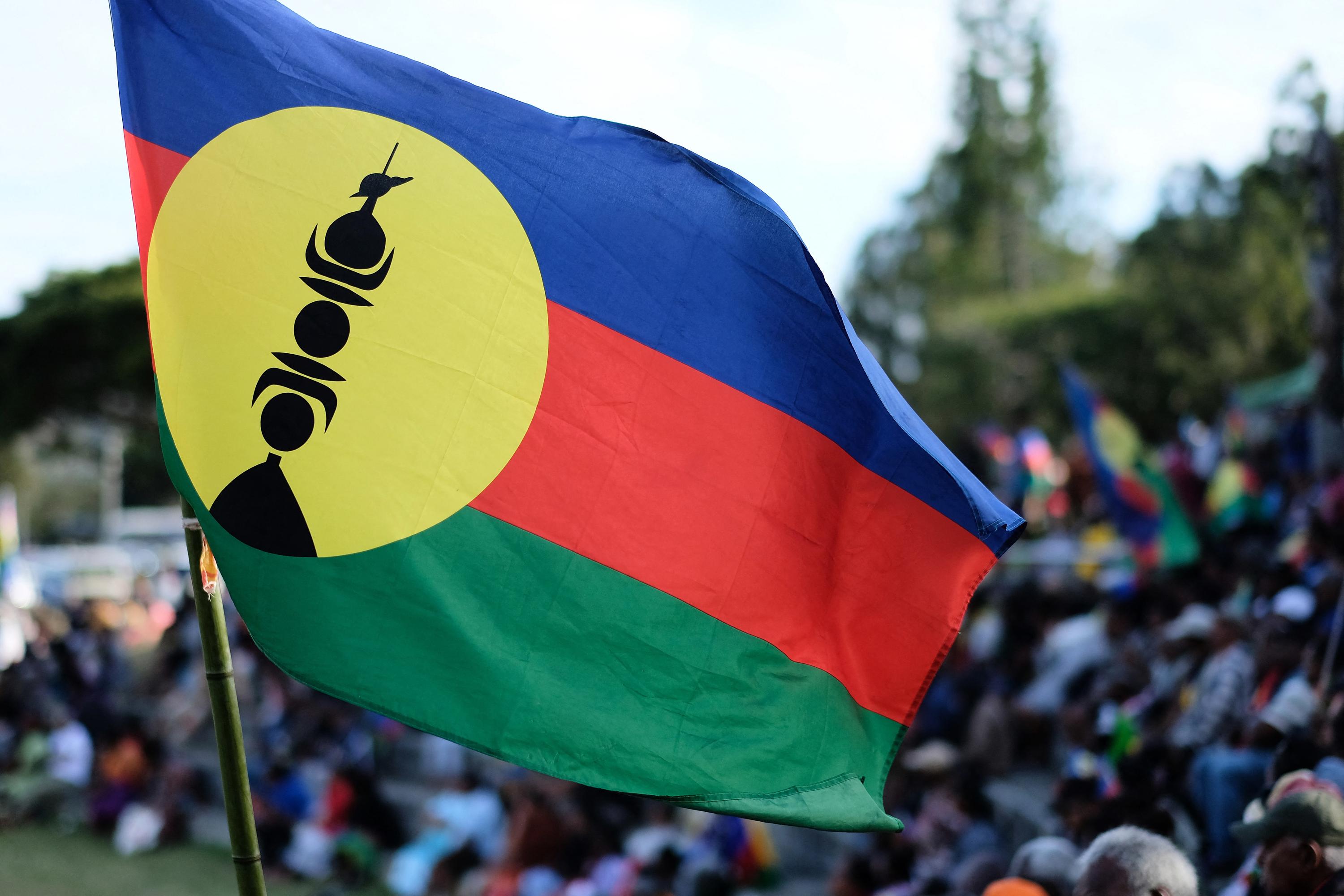
Key details
- FLNKS unequivocally rejects the Elysée-Oudinot agreement signed in January 2026.
- The agreement recognizes Kanak identity and right to self-determination but is seen by FLNKS as economic blackmail.
- FLNKS opposes changes to voter eligibility that could dilute Kanak electoral representation.
- Legislative approval of the agreement is expected soon, but FLNKS commits to continuing sovereignty efforts.
The Kanak and Socialist National Liberation Front (FLNKS) has unequivocally rejected the recently signed Elysée-Oudinot agreement aimed at advancing the political process in New Caledonia. Signed at the Élysée Palace on January 19, 2026, the agreement seeks to facilitate a transfer of powers from the French state to the archipelago, reaffirming Kanak identity and the right to self-determination, alongside a financial support package from France.
Despite these provisions, FLNKS criticized the agreement as a "passage en force" (forced passage) by the French state, accusing it of economic blackmail designed to enforce acceptance of the state's vision. A core element of their opposition rests on the potential changes to voter eligibility, which could dilute Kanak voting rights by extending the electoral roll beyond those residing in New Caledonia before 1998 and their descendants. This issue remains highly sensitive, especially after the violent unrest in May 2024 that resulted in 14 deaths and significant economic damage.
The FLNKS had previously boycotted related discussions in January around the Bougival agreement, which envisioned a Caledonian state recognized within the French Constitution but was deemed incompatible with FLNKS’s decolonization goals. Despite the clear rejection from the FLNKS and the widespread belief that no political accord can succeed without the inclusion of the primary independence movement, Overseas Minister Naïma Moutchou affirmed that dialogue remains open.
Proponents of the new agreement are optimistic about legislative approval, anticipating Senate adoption by February and passage in the National Assembly by March or April. Meanwhile, the FLNKS remains committed to pursuing full sovereignty for New Caledonia in accordance with the Nouméa Accord and international law.
This unfolding political standoff highlights the fragility of New Caledonia’s path toward decolonization and autonomy, with the FLNKS firmly positioned against arrangements they view as insufficient for achieving true self-determination.
Source articles (2)
-
lefigaro.fr Jan 21, 2026
Nouvelle-Calédonie : les indépendantistes du FLNKS rejettent le nouvel accord signé à l’Élysée
-
lemonde.fr Jan 21, 2026
Nouvelle-Calédonie : le FLNKS rejette le nouvel accord en dénonçant un « passage en force » de l’Etat
Source comparison
Date of agreement signing
Sources report different signing dates for the Elysée-Oudinot agreement
lefigaro.fr
"The Elysée-Oudinot agreement was signed on January 19, 2026."
lemonde.fr
"The Elysée-Oudinot agreement was signed on January 19, 2025."
Why this matters: One source states the agreement was signed on January 19, 2026, while the other claims it was signed on January 19, 2025. This discrepancy affects the timeline of events surrounding the agreement.