France Faces Major Setbacks and Victories in Academic Freedom and Free Speech in November 2025
France grapples with a controversial academic conference cancellation and celebrates the release of imprisoned writer Boualem Sansal, highlighting ongoing debates over freedom of expression.
Key details
- The Collège de France canceled an important international conference on Palestine, sparking protest over academic freedom.
- Cancellation is viewed as a dangerous precedent risking scientific debate due to political pressures.
- Boualem Sansal, imprisoned in Algeria since 2024, was released thanks to diplomatic intervention, raising hopes for free speech.
- French officials and public figures expressed relief and highlighted the significance of Sansal's release for freedom of expression.
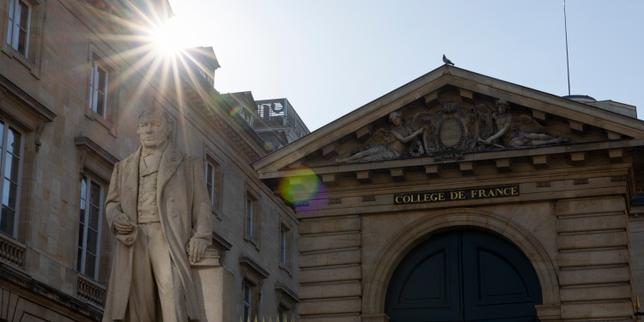
Recent events in France have spotlighted significant challenges and victories concerning academic freedom and freedom of expression. The cancellation of the international conference titled "Palestine and Europe: Weight of the Past and Contemporary Dynamics" at the Collège de France has sparked concern among the scientific and academic community. Scheduled for November 13-14 in Paris, this event was abruptly canceled by the Collège’s administration amidst mounting pressures, provoking widespread regret and criticism within France and internationally. Members of the Collège deem this decision excessive, prioritizing security over vital academic freedom, which they see increasingly threatened globally. This cancellation, passed by the professors' assembly, sets a worrying precedent that could hinder open scientific debate on societally critical issues if political or media interventions escalate. The Collège of France pledges to combat any unjust restrictions on informed, free discussion, underscoring academic freedom as a collective responsibility crucial for knowledge advancement (ID 140650).
In a contrasting but related development symbolizing triumph for free expression, Franco-Algerian writer Boualem Sansal was released on November 12, 2025, following his incarceration since November 2024. Sansal, imprisoned on charges of "attacking national unity," had been sentenced to five years, sparking diplomatic tensions between France and Algeria. His deteriorating health due to cancer heightened anxiety about his wellbeing during detention. French officials, including Minister Sébastien Lecornu, expressed relief and gratitude for Sansal’s release, facilitated by German diplomatic efforts. Political figures like Gabriel Attal and Christian Estrosi celebrated the release as a victory for freedom of speech, criticizing the arbitrary detention by the Algerian regime. Sansal’s family and supporters voiced profound relief and hope for his swift recovery upon returning to France. This event resonates as a beacon of hope amid ongoing struggles against repression of free expression (ID 140517).
Together, these stories underscore the ongoing tension in France and beyond between protecting freedoms within academic and literary fields and confronting external political pressures that threaten these liberties.