France Grapples with 2025 Security Budget Amid Parliamentary Challenges and Potential Use of Emergency Measures
France's 2025 Social Security budget faces intense parliamentary scrutiny amid broader budget delays, with government weighing emergency legal options to ensure financial continuity.
Key details
- The Social Affairs Commission is examining 500 amendments to the 2025 Social Security budget ahead of second reading.
- The Senate removed the suspension of pension reform, complicating government efforts to control deficit and expenditures.
- Deficit projections for Social Security exceed government targets, with negotiations ongoing on social contributions and benefit freezes.
- Government may propose a special law or use an unprecedented emergency ordinance to pass the 2025 national budget if parliamentary deadlock persists.
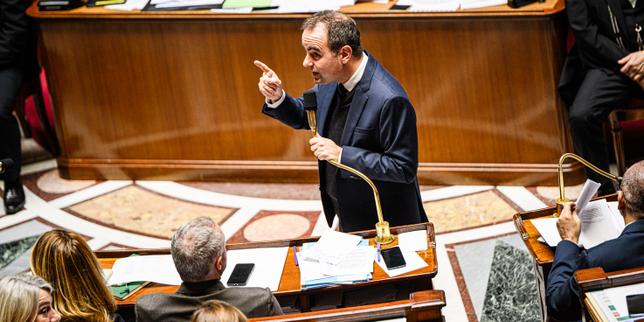
France is currently embroiled in negotiations over the 2025 Social Security budget, which is critical for the overall government finances. Deputies from the Social Affairs Commission are scrutinizing some 500 amendments in a single-day session as the budget resumes parliamentary examination ahead of a second reading scheduled for Tuesday. The budget, seen as a key test for Prime Minister Sébastien Lecornu's government, was heavily modified by the Senate, including the removal of the suspension of the pension reform.
The negotiations are intense, focusing on complex issues such as social contribution reforms on salary supplements, with proposals like those from Socialist senators facing opposition from figures such as Laurent Wauquiez. The government aims to contain the deficit at 20 billion euros, but current estimates suggest it may reach 24 billion euros after the first reading. Discussions also involve potential freezes on social benefits and pensions and address sensitive topics like medical copayments. The final parliamentary vote on the Social Security budget is anticipated for December 9.
Meanwhile, the French government faces broader challenges with the 2025 national budget, which was not adopted on time due to the previous government under Michel Barnier being ousted. Prime Minister Lecornu warned of repeating such difficulties in 2026 because of delayed budget negotiations and a lack of political consensus. To manage this situation, the government has two options: either propose a minimal "special law" ensuring continuity of essential public services and financial functioning or resort to an emergency ordinance—a measure never before used under the Fifth Republic. Although currently rejected by the executive branch, the ordinance option has sparked concerns about undermining democratic principles amid unclear legal frameworks.
The special law, defined under Article 45 of the Organic Law on Finance Laws (LOLF), is a short text designed to guarantee the continuity of national life and public service operations temporarily, permitting the state to continue taxing and borrowing until formal budget approval.
These developments highlight the political and institutional pressures France faces in securing its 2025 budget and maintaining governmental stability during a period marked by conflicting political agendas and impending fiscal deadlines.
Source articles (2)
-
lemonde.fr Nov 29, 2025
A quoi ressemblerait un budget validé par ordonnance ?
-
lefigaro.fr Nov 29, 2025
Le budget de la Sécu de retour à l'Assemblée pour l’examen des 500 amendements en commission