France Insoumise Defends Its Members Amid Controversy Over Quentin Deranque's Death
France Insoumise leaders defend Raphaël Arnault and reject responsibility for Quentin Deranque's death, condemning violence and far-right threats.
Key details
- Mathilde Panot defends Raphaël Arnault and denies his responsibility for Deranque's death.
- Panot condemns the march honoring Deranque due to neo-Nazi presence.
- Jean-Luc Mélenchon refutes claims LFI killed Deranque, calling it a street fight gone wrong.
- LFI refuses to yield to pressure and highlights threats from the far-right against its members.
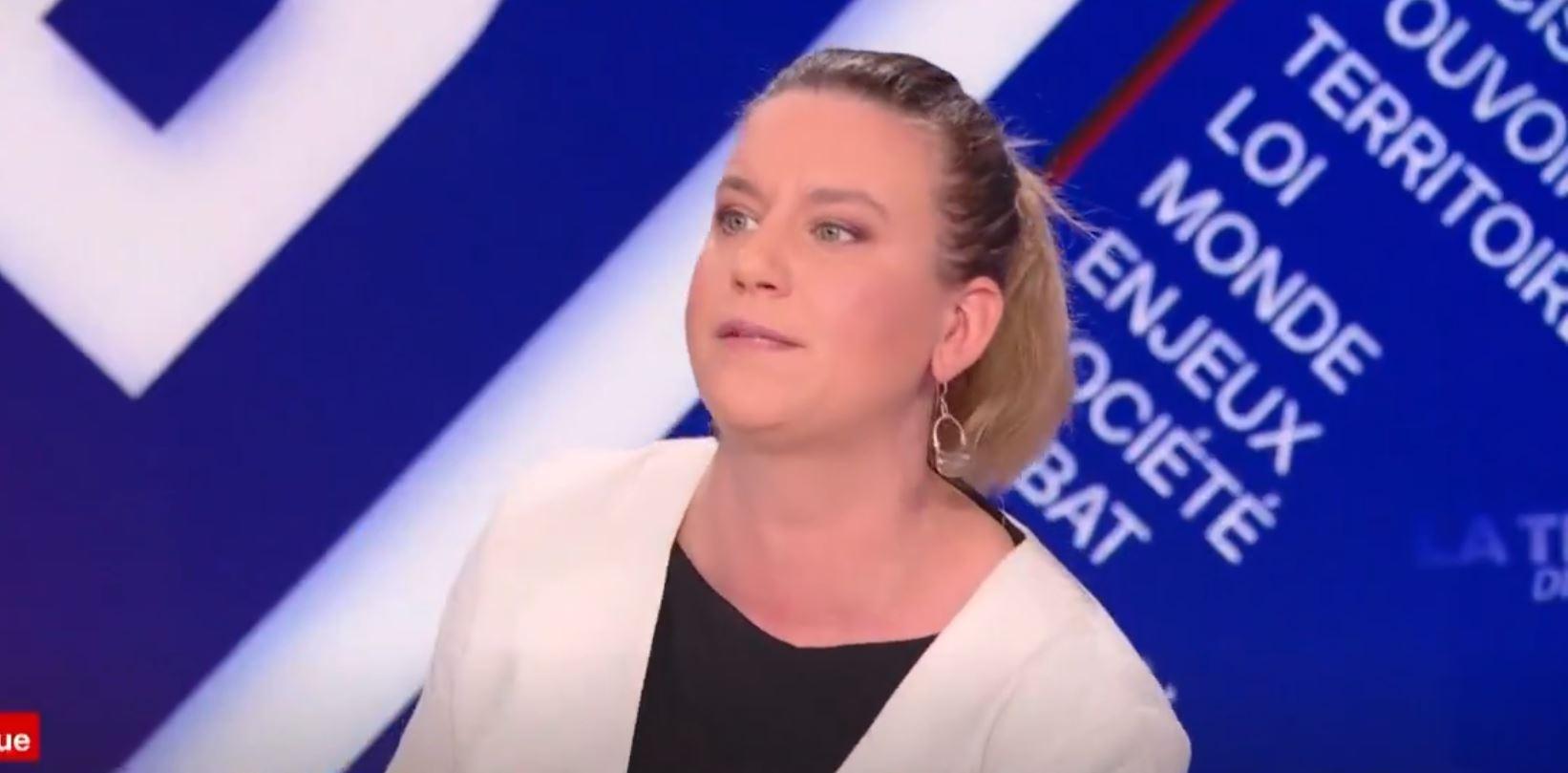
France Insoumise (LFI) has issued strong defenses and clarifications regarding the death of far-right activist Quentin Deranque, amid accusations linking the party to the violent incident. Mathilde Panot, deputy for Val-de-Marne and an influential LFI figure, openly defended Raphaël Arnault, an LFI member whose parliamentary assistant and intern have been charged for their involvement related to Deranque's beating death. Speaking on BFMTV, Panot stated that Arnault is not responsible for the violence and expressed pride in having him in her parliamentary group. She condemned the march held in Lyon to honor Deranque, which she suggested should have been banned due to the presence of neo-Nazi participants, and criticized those connecting LFI to the violence as "highly irresponsible." Panot also emphasized that Arnault is devastated by the death and is currently receiving threats from extreme right elements.
Adding to the party's defense, LFI leader Jean-Luc Mélenchon addressed public allegations, expressing disbelief that the party could be seen as culpable for the death of a young person in the street. He described the tragic event as a "bataille de rue" (street fight) that went wrong, highlighting the unlikelihood of LFI being responsible. Mélenchon's comments, published on February 22, reinforce the party's rejection of any link between its members and the fatal incident.
The party's reaction reflects its refusal to yield to pressure or accept blame, positioning the death of Quentin Deranque as an unfortunate outcome of street violence rather than a politically orchestrated act by LFI. Panot and Mélenchon's public statements aim to distance the party from any responsibility, while also condemning the right-wing threats and violence that members have faced in the aftermath.
This comes after the death of Quentin Deranque about ten days prior, which sparked considerable political tension. The parliamentary assistant and intern connected to Arnault have been formally indicted, but Panot maintains that Arnault himself is not accountable. Simultaneously, the political environment remains charged, with accusations, marches, and threats underscoring the deep divisions the incident has exposed within French political society.