France Pushes for Dialogue Amid Middle East Tensions, Maintains Defensive Stance
President Macron urges direct Israel-Lebanon talks hosted in Paris amid escalating Middle East violence, while reaffirming France’s strictly defensive military stance.
Key details
- Emmanuel Macron calls for direct peace talks between Israel and Lebanon, offering Paris as the venue.
- Macron urges Hezbollah to halt missile attacks and Israel to stop airstrikes to prevent Lebanon’s collapse.
- Lebanese leaders express readiness for dialogue with Israel amid ongoing conflict.
- France maintains a strictly defensive military stance despite the death of a French soldier in Iraq linked to regional tensions.
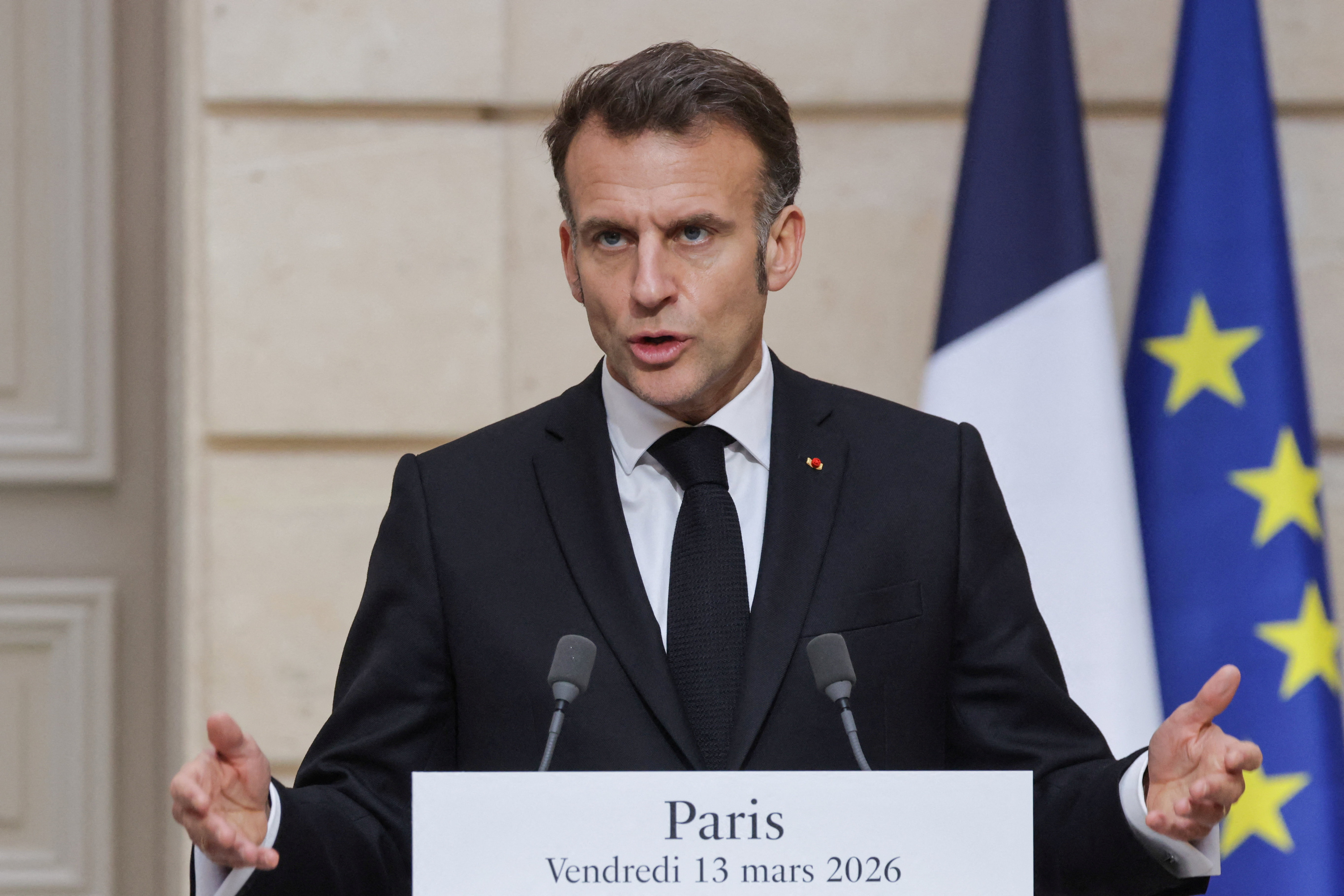
President Emmanuel Macron has taken a proactive diplomatic role amid the escalating Middle East conflict, urgently calling for direct peace talks between Israel and Lebanon while affirming France's strictly defensive posture in the regional crisis. Macron publicly urged Israel to engage in direct discussions with the Lebanese government and all factions within Lebanon, proposing to host these talks in Paris. He emphasized the critical importance of preventing Lebanon from descending into chaos, given the recent violence that has displaced hundreds of thousands and destabilized the country.
Macron condemned Hezbollah's missile attacks on Israel, launched in retaliation for the death of Iranian Supreme Leader Ali Khamenei, and appealed for the group to halt further escalations. He also called on Israel to cease large-scale airstrikes, stressing that both parties need to pursue dialogue for long-term peace. Lebanese leaders — President Joseph Aoun, Prime Minister Nawaf Salam, and Parliament Speaker Nabih Berri — reportedly expressed their readiness to enter direct talks with Israel, signaling a rare convergence toward diplomatic engagement amid the fighting.
The conflict intensified after Hezbollah's missile retaliation prompted extensive Israeli bombings in Lebanon. Hezbollah's leadership indicated a readiness for a prolonged struggle against Israel, further complicating prospects for swift resolution.
In a parallel development, President Macron confirmed France’s strict defensive role in this wider Middle East conflict, predominantly shaped by the US and Israel's stance against Iran. This stance was reaffirmed following the death of a French soldier in Iraq on March 12, who was killed by a pro-Iranian armed group — an incident that has heightened concerns about France’s security and deeper involvement in the volatile region. Despite the soldier’s death and growing tensions, Macron continues to resist any escalation of France’s militarized engagement.
With France balancing a call for dialogue between Israel and Lebanon and a measured defensive military stance amidst regional violence and Iranian involvement, Paris seeks to promote stability while avoiding deeper entanglement. Macron’s offer to host peace discussions in Paris underscores France’s commitment to diplomacy as the path to easing Middle East tensions.