France's Highest Court Closes 36-Year-Old Bonfanti Cold Case Citing Prescription
France's highest court rules that the 36-year-old Bonfanti murder case is barred by statute of limitations, closing legal proceedings despite the 2022 confession by Yves Chatain.
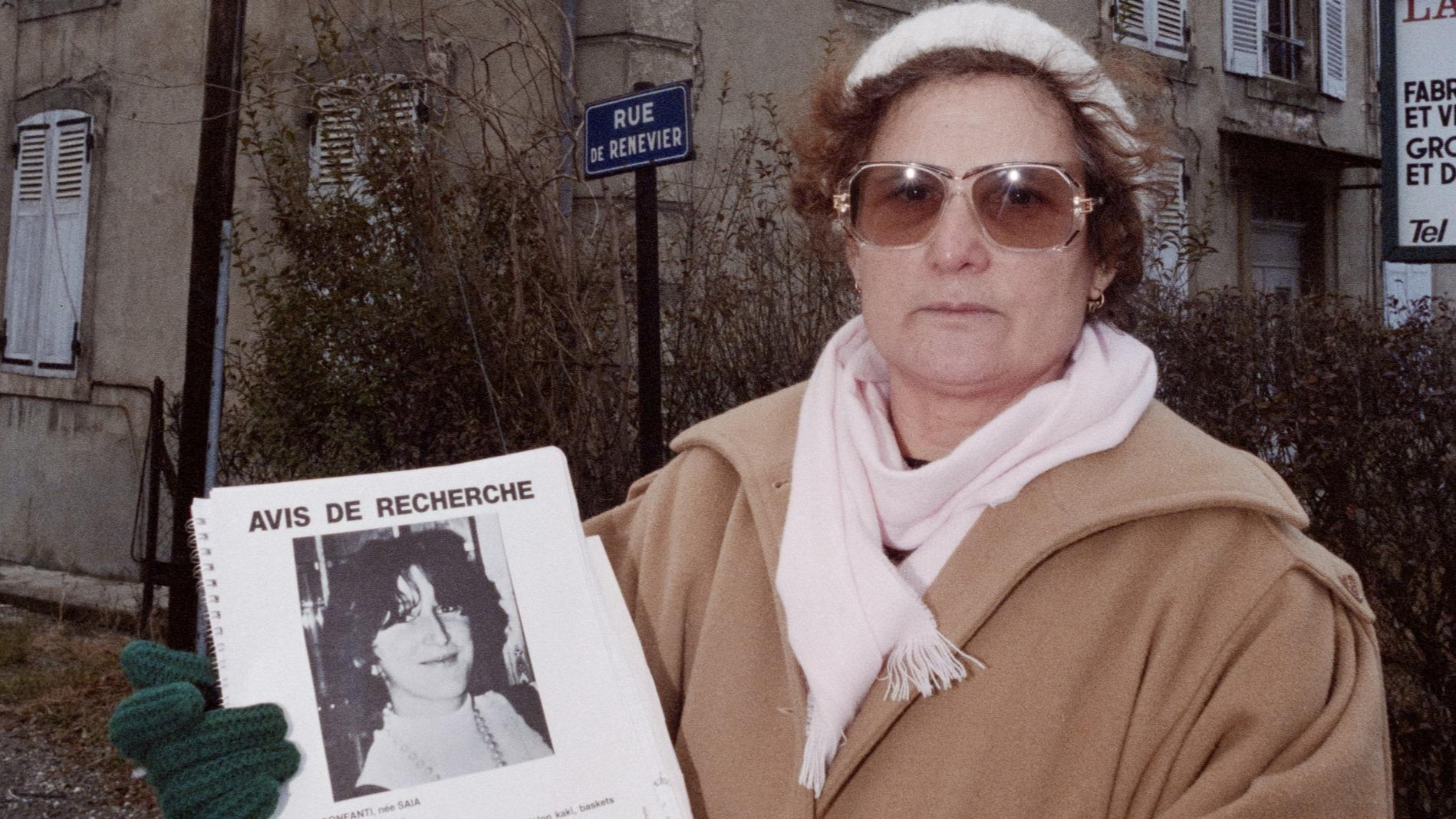
Key details
- Yves Chatain confessed in 2022 to the 1986 murder of Marie-Thérèse Bonfanti.
- The Cour de cassation ruled the case is prescribed, barring prosecution due to statute of limitations.
- The ruling ends legal proceedings and closes the decades-old investigation.
- This decision sets a precedent affecting future cold cases with late confessions.
France's Cour de cassation has delivered a landmark ruling that definitively closes the decades-long legal proceedings surrounding the disappearance and confessed murder of Marie-Thérèse Bonfanti. Bonfanti disappeared in 1986 in the Isère region, and Yves Chatain admitted in 2022 to strangling her. However, according to the court’s January 2026 decision, Chatain can no longer be prosecuted because the statute of limitations (prescription) has expired, effectively ending any chance of legal action against him.
The ruling highlights the complexities in French law regarding cold cases and the statute of limitations for criminal offenses. The Cour de cassation clarified that despite the confession occurring 36 years after the crime, there were no exceptional circumstances justifying suspension of the prescription period. This decision resolves a long-standing debate among magistrates about how delayed confessions in cold cases affect legal accountability.
By confirming that prescription applies even when a confession surfaces decades later, the court sets a precedent that will impact future cases involving similar late admissions of guilt. The case of Marie-Thérèse Bonfanti thus now stands as an important legal reference point for cold case jurisprudence.
This ruling closes the investigation into one of France's most perplexing cold cases, resolving the dispute about lawful accountability and statute of limitations in long-unsolved crimes. As such, it marks a significant moment in French criminal justice, balancing the challenges of administering justice over prolonged periods and the legal certainty brought by prescription periods.
In the words of commentators, "The Cour de cassation has settled a complex debate among magistrates on the reach of criminal prescription in cold cases," underscoring the decision's broad significance.