French Assembly Passes Housing Law Amid Controversy Over Energy-Efficient Rental Ban
France's National Assembly passes new housing law amid debate over banning rentals of energy-inefficient homes, with youth housing struggles also highlighted.
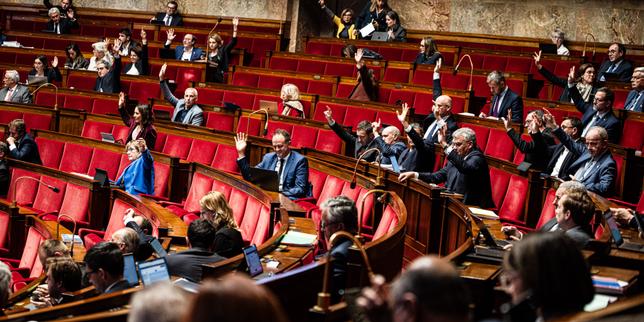
Key details
- French National Assembly adopts housing bill with RN support.
- RN proposes amendment to lift ban on renting energy-inefficient homes.
- Housing Minister Vincent Jeanbrun aims to remove RN amendment in December commission.
- Young adults face housing access difficulties, often returning to family homes.
On November 24, 2026, France's National Assembly adopted the new housing bill with support from the Rassemblement National (RN) party. The legislation aims to tackle housing issues while maintaining stringent energy efficiency standards for rentals. A key point of contention is an amendment proposed by the RN seeking to lift the ban on renting out "passoires thermiques," or energy-inefficient homes. Vincent Jeanbrun, the Minister of Housing, is determined to remove this amendment during the upcoming mixed parliamentary commission scheduled for December, reflecting the government's commitment to uphold environmental sustainability within housing regulations.
This legislative move arrives as young adults face increasing struggles in accessing housing, often having to return to their family homes due to rental shortages and lack of available leases. Advocates emphasize the necessity for both the state and society to support youth independence by improving housing accessibility. Despite social challenges, the government continues to push forward with environmental goals tied to the housing market.
The adoption of the housing bill, bolstered by RN votes, highlights the complex political debate between maintaining energy-saving policies and accommodating housing market demands. The next parliamentary discussions will be crucial in determining whether the RN’s amendment to relax restrictions on energy-inefficient property rentals will prevail or be rejected to preserve stringent ecological standards.
Source articles (2)
-
lemonde.fr Nov 24, 2026
L’Assemblée nationale adopte le projet de loi sur le logement, avec les voix du Rassemblement national
-
liberation.fr Nov 24, 2026
Accès au logement : faute de bail, les jeunes de retour au bercail