French Farmers Meet President Macron Amid Fierce Opposition to EU-Mercosur Trade Deal
French agricultural unions meet President Macron amid strong opposition and protests against the EU-Mercosur trade agreement affecting local farming and livestock.
Key details
- French agricultural unions including FNSEA vehemently oppose the EU-Mercosur trade agreement.
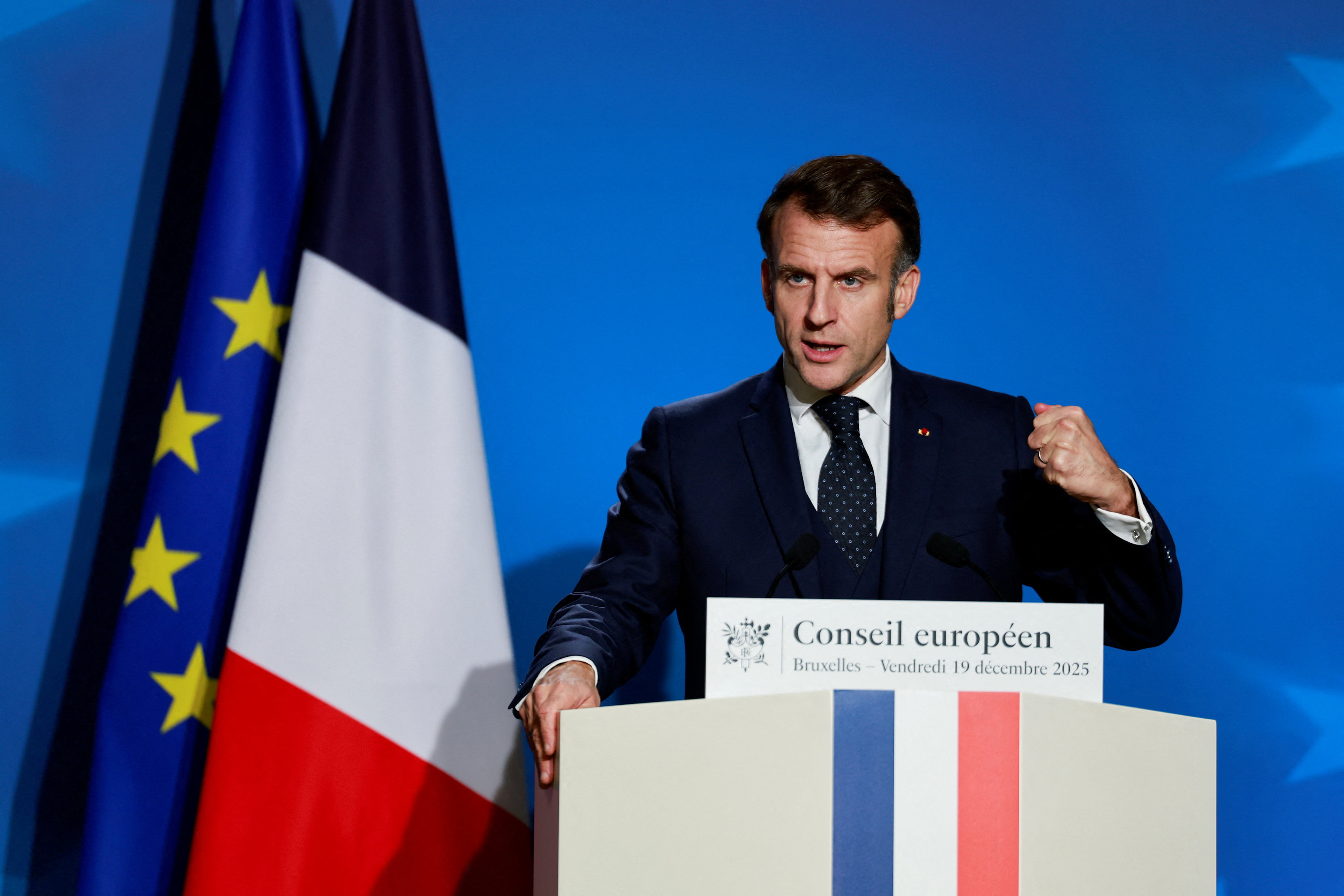
- President Macron is meeting unions at the Élysée Palace following widespread protests and a livestock health crisis.
- The signing of the trade agreement has been postponed to January 12, 2026, due to farmer backlash.
- Farmers continue blockades and protests demanding better protections and an end to livestock culling from nodular dermatitis.
- French government has made concessions but farmers deem them insufficient and plan further mobilizations.
French agricultural unions are set to hold a crucial meeting with President Emmanuel Macron at the Élysée Palace on December 23, 2025, following widespread protests against the EU-Mercosur trade agreement. The FNSEA, along with the Young Farmers (JA), Rural Coordination, and the Peasant Confederation, have united in their firm opposition to the deal, boldly stating "Mercosur = NO." This is the first engagement between the unions and Macron since the outbreak of a crisis in the French livestock sector caused by bovine nodular dermatitis (DNC).
The EU-Mercosur agreement, which facilitates the import of South American agricultural products such as meat, sugar, rice, honey, and soy into Europe, has sparked significant concern among French farmers. They fear that increased imports will adversely impact local agriculture. The disagreement has led to massive protests, notably in Brussels where thousands of farmers demonstrated. Originally scheduled to be signed in Brazil, the agreement’s signing has now been postponed to January 12, 2026, in Paraguay.
French Foreign Minister Jean-Noël Barrot acknowledged the government has provided unprecedented concessions, including enhanced customs controls and safeguard measures, to protect French agricultural interests. However, farmers remain dissatisfied, perceiving these measures as insufficient, and vow to continue their mobilization in January. The ongoing protests include blockades, such as on the A64 highway at Carbonne, where farmers have infused a festive spirit into their demonstrations to maintain morale during the holiday season.
Farmers also demand an end to the systematic culling of livestock affected by DNC, a key issue fueling the crisis within the sector. Despite some divergence among unions, the opposition to the agreement remains unanimous.
As the meeting with President Macron approaches, the agricultural community is poised to reinforce its position against the trade deal, seeking stronger protections for the French agricultural economy and livestock health.
Source articles (2)
-
lefigaro.fr Dec 23, 2025
Mercosur : les syndicats agricoles annoncent un rendez-vous avec Emmanuel Macron à l’Élysée à 16h30
-
lemonde.fr Dec 23, 2025
Accord UE-Mercosur : les syndicats agricoles vont être reçus par Emmanuel Macron cet après-midi