French Finance Committee Rejects 2026 Budget Spending Proposal Amid Political Divisions
The French Finance Committee has rejected the 2026 budget's spending proposal, intensifying political divisions and complicating efforts to reduce the deficit below 5%.
Key details
- The Finance Committee rejected both spending and revenue components of the 2026 budget.
- Opposition parties voted against the budget; some parties abstained while many deputies were absent.
- Budget Rapporteur Philippe Juvin proposed €6.2 billion cuts, but the plan failed to gain majority support.
- Spending increased by €6.8 billion versus the Senate's version, raising the deficit projection to around 5.3%-5.4%.
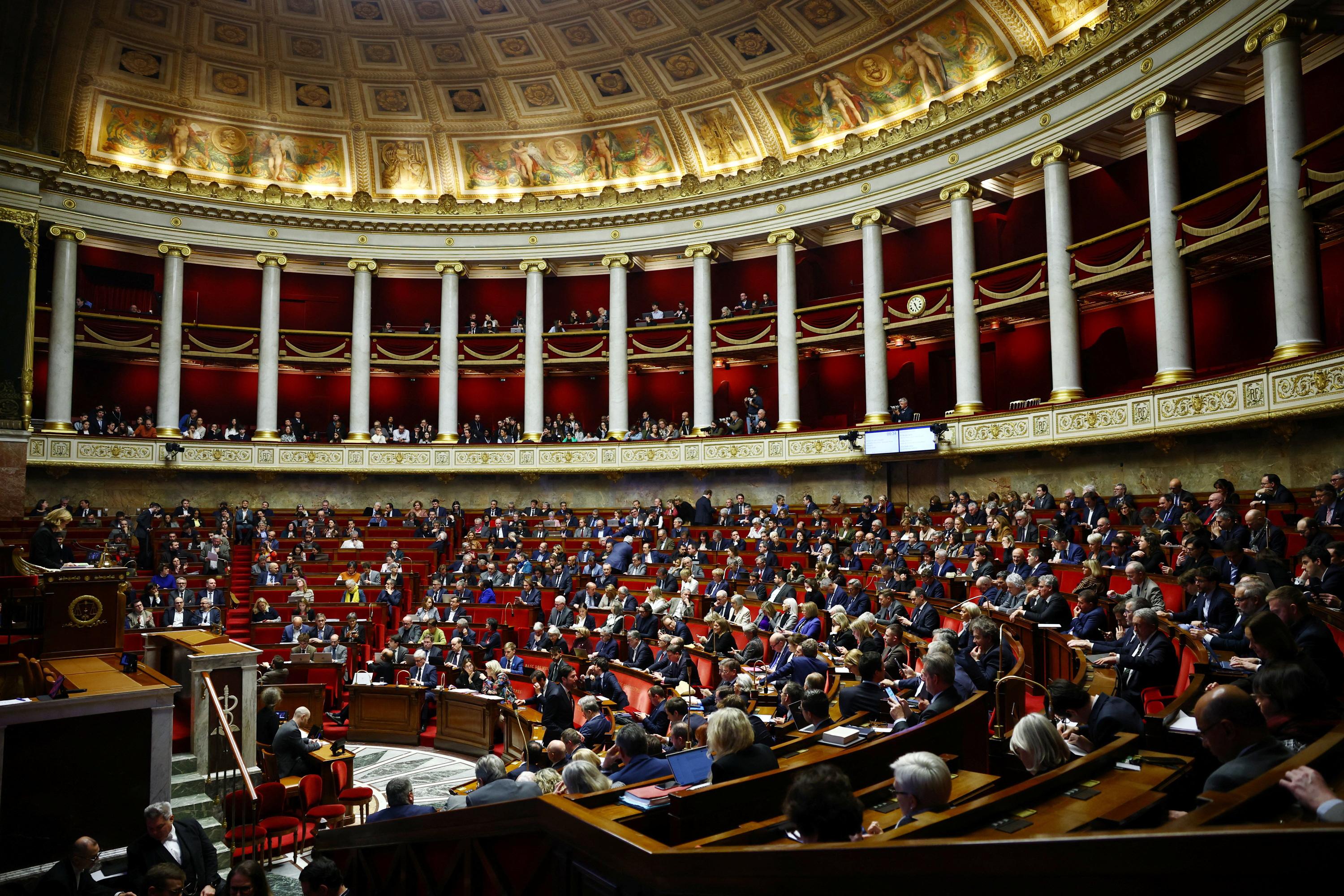
The French National Assembly's Finance Committee has once again rejected the spending component of the 2026 state budget, intensifying the parliamentary debates over the nation’s fiscal plans. This rejection comes after failed negotiations in December, with opposition parties including the RN, LFI, Écologiste, and LR voting against the budget, while groups such as PS, MoDem, and EPR abstained. Several deputies were absent during the vote, highlighting divisions within the Assembly.
Budget discussions resumed based on the version adopted by the Senate in December 2025, with the government aiming to finalize the budget by the end of January to reduce the national deficit to below 5% and increase defense spending. However, the Finance Committee rejected both the spending and revenue parts of the proposed budget. Notably, the overall spending was increased by €6.8 billion compared to the Senate’s version, worsening the projected deficit to 5.3%, or 5.4% when accounting for the delayed budget adoption.
Philippe Juvin, Budget Rapporteur from Les Républicains, proposed a general cut of €6.2 billion across all budgetary missions except essential state functions. His proposal sought to reduce funding to sectors including Education and Ecology, but it was largely rejected due to priorities held by the Socialist Party and others. As a result, spending for nine missions, including health and sports, was maintained, contributing to the budget’s higher cost.
The rejection in the committee, which has advisory authority, signals ongoing political disagreement over fiscal priorities and the government’s approach. Discussions have not clarified a potential non-censorship agreement between the government and the PS, especially if the Prime Minister opts to pass the budget using Article 49.3 or a negotiated ordinance under the Constitution.
The government’s goal remains to adopt a budget that sufficiently contains the deficit while increasing defense credits. The Assembly’s broader debate is scheduled to begin on January 13 and continue until January 23, with hopes to complete budget approval by month’s end.
Source articles (2)
-
lemonde.fr Jan 10, 2026
Budget 2026 : le volet « dépenses » a été rejeté en commission des finances par les députés
-
lefigaro.fr Jan 10, 2026
Budget 2026 : les députés rejettent de nouveau la partie «dépenses» en commission
Source comparison
Projected budget deficit
Sources disagree on the projected budget deficit after the deputies' decisions.
lemonde.fr
"L'objectif du gouvernement est de finaliser un budget avant la fin du mois, permettant de ramener le déficit en dessous de 5 %."
lefigaro.fr
"Le déficit a été aggravé à 5.3%, voire 5.4%."
Why this matters: One source states the deficit will be below 5%, while the other claims it has worsened to 5.3% or 5.4%. This discrepancy significantly affects understanding of the government's fiscal situation and objectives.