French Government Announces Emergency Agricultural Legislation Following Large-Scale Farmer Protests in Paris
France's government announces emergency agricultural legislation addressing farmers' key demands following mass protests in Paris.
Key details
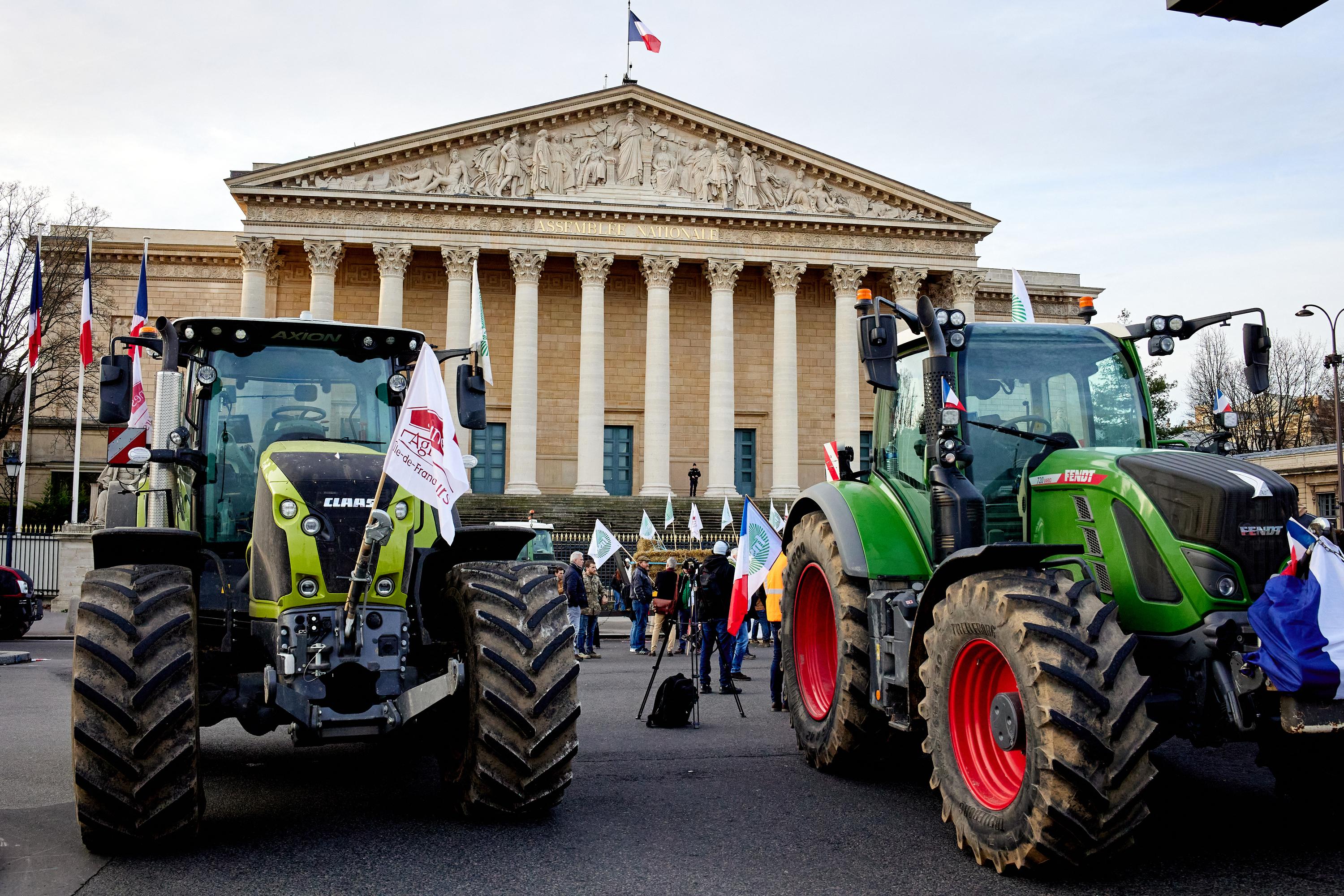
- Around 400 tractors participated in a major protest in Paris, voicing farmers' grievances.
- Prime Minister Sébastien Lecornu announced an emergency agricultural law focusing on water, predation, and production resources.
- Agriculture Minister Annie Genevard will prepare the legislation ahead of the Salon de l'agriculture.
- The emergency bill is expected to be voted on in Parliament before summer 2026, with fiscal aspects dependent on the national budget.
- The FNSEA plans to stay in Paris overnight, continuing to advocate for agricultural sector demands.
On January 13, 2026, the French government responded to continuing farmer protests in Paris by announcing plans for emergency agricultural legislation. Around 400 tractors participated in a demonstration through the capital, beginning at Porte Dauphine and progressing via the Champs-Élysées to the National Assembly, with farmers voicing their grievances.
Prime Minister Sébastien Lecornu met with FNSEA (National Federation of Agricultural Workers) representatives and pledged an emergency law to be prepared by Agriculture Minister Annie Genevard ahead of the Salon de l'agriculture. The legislation is set to focus on critical issues raised by the protesting farmers: water management, predation control, and enhancing production resources.
Lecornu affirmed that the proposed emergency bill will be debated and voted on before the summer of 2026. Fiscal elements of the law depend on the adoption of the national budget, illustrating the government’s cautious approach to funding. The government also declared a moratorium on unspecified measures, acknowledging that farmers’ mobilization is yielding tangible results.
The proposed emergency law aligns closely with the FNSEA's demands. In fact, the FNSEA indicated intentions to stay in the capital overnight to continue applying pressure on policymakers. This ongoing advocacy reflects the agricultural sector's urgency and determination to see meaningful legislative action.
These developments come amid heightened tensions within the farming community, frustrated over issues such as market conditions and regulations. Prime Minister Lecornu noted that the government is prioritizing these concerns to stabilize the agricultural sector. The emergency legislation aims to provide targeted support, leveraging the momentum created by the farmers’ demonstrations.
In summary, France’s government has committed to swift parliamentary action on an emergency agricultural bill that addresses key demands from protesting farmers. The legislation, emphasizing water, predation, and production support, represents an immediate response to the sector’s unrest, with parliamentary debate expected before the summer of 2026.