French Government Balances Tough Budget Concessions Amid Criticism of ECB Monetary Policy
France adopts a challenging 2026 budget with difficult concessions while President Macron criticizes the ECB's restrictive monetary policy for impeding economic growth.
Key details
- The 2026 budget passed with expenditure approval by the Assembly with a 49.3 vote.
- The government reversed pension reform plans and halted promised business tax cuts.
- Deficit target set at 5% with half reduction from savings and half from taxes.
- Macron criticizes ECB's high interest rates and calls for monetary policy adjustments.
- Economist Goetzmann argues ECB's rapid rate hikes were inappropriate for inflation causes.
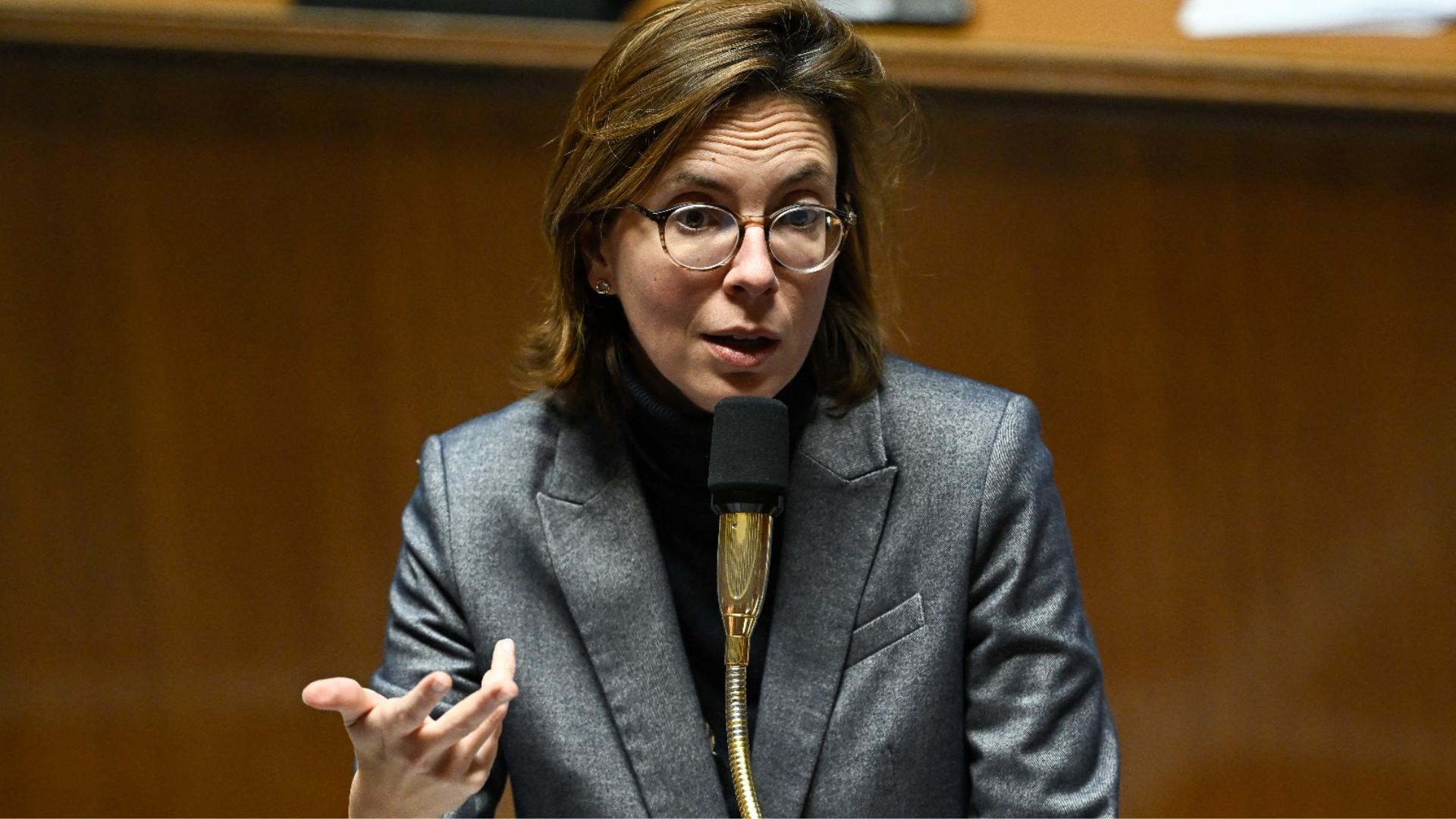
The French government has recently adopted its 2026 budget amid significant economic challenges, marked by difficult concessions and ongoing critiques of European monetary policy. Amélie de Montchalin, Minister of Budget and Public Accounts, acknowledged that the government had to reverse its pension reform plans and halt anticipated production tax cuts for businesses. The budget's expenditure section passed in the Assembly by a 49.3 vote, underscoring fragile political support.
Key government objectives in 2026 include maintaining a public deficit of 5% and ensuring that mandatory taxes do not rise above 2019 levels, the last year with a deficit below 3%. Deficit reduction efforts will be split evenly between savings (0.2% of GDP) and taxation (0.2% of GDP). Montchalin emphasized the need for government responsibility amid conflicting proposals, aiming to protect France's competitiveness and economic credibility, while reducing uncertainty.
Parallel to domestic budget challenges, President Emmanuel Macron has continued his criticism of the European Central Bank (ECB) for its strict monetary policy and elevated interest rates, which he argues hinder French economic growth. Macron advocates for adjustments to ECB policy to better balance inflation control with growth objectives, paralleling the U.S. Federal Reserve's mandate. Economist Nicolas Goetzmann of La Financière de la Cité supports this position, arguing that France faces the most restrictive monetary policy in the Western world. He contends that the ECB's rapid interest rate escalation—from -0.5% to 4% between 2022 and 2023—was ill-suited to counter inflation driven primarily by external energy supply disruptions linked to the Ukraine conflict.
This interplay between domestic budget constraints and European monetary policy pressures shapes France’s economic landscape in 2026, reflecting tensions between fiscal responsibility and growth ambitions.
Source articles (2)
-
lefigaro.fr Jan 23, 2026
Amélie de Montchalin : « Ce budget s’est fait au prix de concessions difficiles »
-
lemonde.fr Jan 23, 2026
Emmanuel Macron ne devrait pas s’en prendre à la Banque centrale européenne