French National Assembly Overwhelmingly Rejects 2026 Finance Bill Revenue Proposals
The French National Assembly overwhelmingly rejected the revenue section of the 2026 finance bill, with only one deputy supporting it amid broad political opposition.
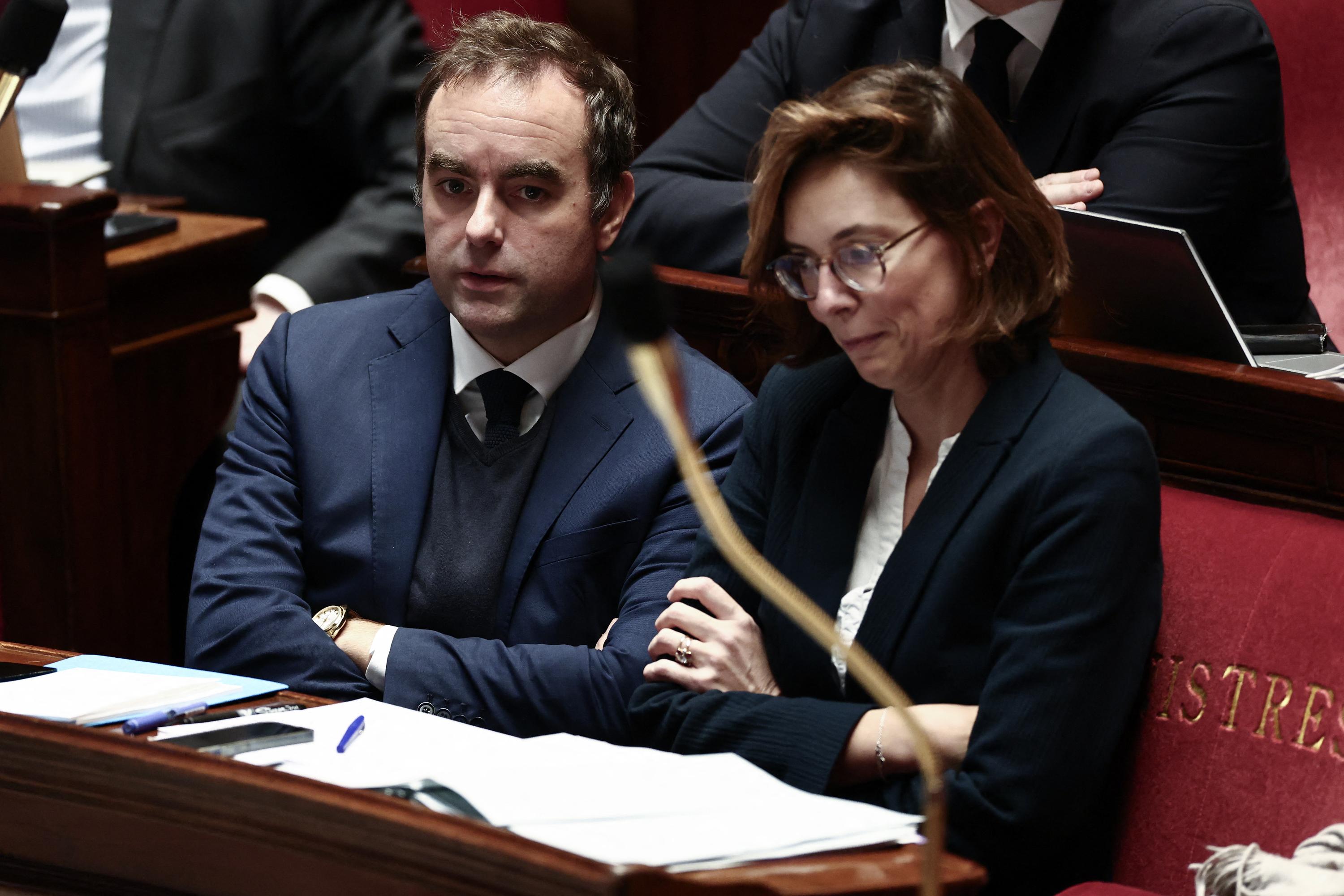
Key details
- The revenue portion of the 2026 finance bill was rejected by 404 deputies, with only one vote in favor.
- Opposition came from a broad political spectrum, including left-wing, National Rally, LR right, and most Horizons deputies.
- Finance Minister Amélie de Montchalin warned the deficit could range from 4.1% to 5.3% of GDP depending on contested amendments.
- The bill now moves to the Senate with unresolved revenue issues following the Assembly's near-unanimous rejection.
In an early Saturday session, the French National Assembly delivered a near-unanimous rejection of the revenue portion of the 2026 finance bill, with 404 deputies voting against and just one in favor. The opposition spanned across the political spectrum, including left-wing parties, the National Rally, the LR right, and the majority of Horizons deputies, while a few Renaissance members abstained.
Harold Huwart, the sole deputy who supported the revenue proposal, expressed confusion over the paradox of approving individual articles but unanimously rejecting the overall text, saying, "I want a budget for France. I do not understand how you can find a majority on each article and unanimity against the text. It’s unprecedented."
This decisive vote aligns with political expectations given the divisive climate surrounding the bill. The rejection forces the finance bill to advance to the Senate with significant questions unresolved on revenue measures.
In parallel, Finance Minister Amélie de Montchalin highlighted uncertainty over the deficit projections for 2026, noting the public deficit could vary between 4.1% and 5.3% of GDP depending on several contentious amendments. These include proposals from left-wing and far-right parties targeting multinational profits, share buybacks, and exceptional dividends, which could collectively raise billions in revenue. However, the government contests the legality of these amendments under European and international tax law, a claim disputed by Finance Committee Chairman Éric Coquerel.
The initial budget projected a deficit of 124 billion euros, potentially shrinking to 94.6 billion euros with the amendments or expanding to 132 billion euros without them, reflecting fiscal uncertainties as the revenue portion faces rejection.
The Assembly’s rejection represents a major setback in France’s budget planning, with political negotiations and further legislative steps expected as the bill moves to the Senate for reconsideration.