French National Assembly Unanimously Rejects 2026 State Budget, Setting Stage for Senate Review
The French National Assembly voted almost unanimously to reject the 2026 state budget, sending it back to the Senate amidst a political deadlock and plans to possibly invoke constitutional measures for approval.
Key details
- The National Assembly rejected the revenue part of the 2026 budget with 404 votes against and 1 in favor.
- All political factions except MoDem and some Renaissance deputies opposed or abstained from the budget vote.
- The decision halts the debate on the expenditure section of the budget in the Assembly.
- The government may invoke Article 49.3 of the Constitution to pass the budget amid Senate delays.
On November 21, 2025, the French National Assembly delivered an unprecedented blow to the government by overwhelmingly rejecting the first part of the 2026 state budget, which covers revenues. The vote tallied 404 against, only 1 in favor, and 84 abstentions, marking a historic moment in the Fifth Republic as this level of consensus against the budget had never been seen before.
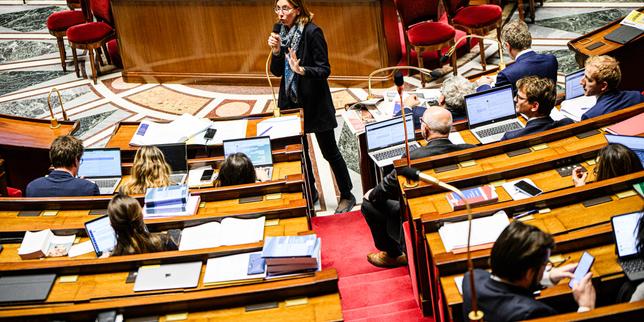
Minister of Public Action and Accounts, Amélie de Montchalin, faced strong opposition despite the government's efforts. All political factions, including left-wing groups and the far-right National Rally, voted against the proposal, while the MoDem party and a majority of Renaissance deputies largely abstained. This rejection means the Assembly will not proceed to debate the second part of the budget concerning expenditures.
The government's budget, after more than 125 hours of parliamentary debate, will now return to the Senate, bypassing further consideration by the Assembly. The rejection signals deep political divisions and dissatisfaction with the government's fiscal proposals.
Minister de Montchalin criticized some opposition proposals as unconstitutional or unrealistic, while the government has maintained that alternative opposition measures could be economically damaging and warned the budget deficit might escalate to 5.3% of GDP without their planned tax increases.
Looking forward, the Senate is set to examine the budget, but swift adoption before the year-end seems unlikely. Given the impasse, the government is reportedly contemplating invoking Article 49.3 of the Constitution, which would allow passing the budget without a parliamentary vote, a move reflecting the tight political situation.
This unprecedented rejection exposes the fragmented political landscape in the Assembly but also highlights a rare moment of unity among opposition forces. The government now faces a critical race against time in the Senate and potentially harder negotiations to secure the necessary approval for the 2026 budget.
Source articles (2)
-
lemonde.fr Nov 22, 2025
Après le rejet du budget par l’Assemblée nationale, une nouvelle course contre la montre va s’engager au Sénat
-
liberation.fr Nov 22, 2025
Le budget rejeté à l’Assemblée à l’unanimité moins une voix