French Parliament Debates 2026 Social Security Budget Amid Health Spending Rise and Public Sector Cuts
French lawmakers debate the 2026 Social Security budget, highlighting increased health spending and Senate-backed public sector workforce cuts awaiting final approval.
Key details
- National Assembly reinstates suspension of pension reform in Social Security budget discussions.
- Health Minister proposes a 3% increase in health insurance spending (Ondam), up from 2%.
- Social Security deficit forecast climbs to €22.5 billion, surpassing government targets.
- Senate adopts measures for one-for-two replacement of retiring civil servants and longer waiting periods, pending Assembly approval.
- Votes on spending and full budget remain uncertain amid narrow parliamentary margins.
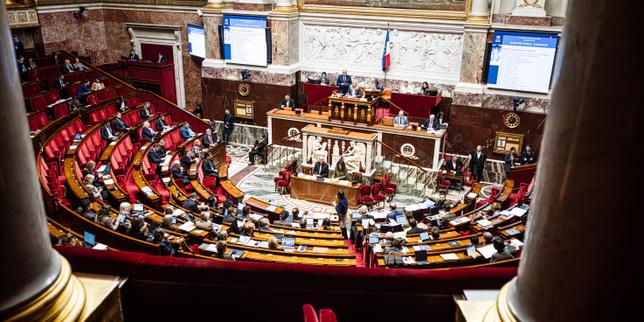
The French National Assembly is preparing to vote on the comprehensive 2026 Social Security budget, following contentious parliamentary debates and amendments. A key development is the assembly's reinstatement of the suspension of the pension reform. The health minister, Stéphanie Rist, proposed increasing the health insurance expenditure target by 3%, an uptick from an initially planned 2%, seeking to address criticism of austerity and underspending in health care.
The social security deficit for 2026 is now projected at €22.5 billion, exceeding the government's prior target of €20 billion. This revised forecast followed the removal of pension and social minimum freezes, further complicating fiscal challenges. Public Accounts Minister Amélie de Montchalin highlighted that the estimate excludes state transfers to the Social Security system. Parliamentary voices, such as Frédéric Valletoux of Horizons, expressed concern about rising deficits due to increased spending coupled with reduced revenues. Sébastien Lecornu warned that failure to finalize the social security budget could push the annual deficit towards €29-30 billion.
Concurrently, the Senate has revived controversial proposals targeting the public sector workforce. In its budget review, the Senate adopted amendments mandating that only one out of every two retiring civil servants be replaced. It also increased the waiting period (carence) for public employees before sick leave benefits begin. However, these Senate measures await final approval from the National Assembly, which will have the decisive say.
The assembly’s upcoming vote first focuses on health insurance spending (Ondam) before addressing the full Social Security budget bill, with outcomes still uncertain given tight previous voting margins. Meanwhile, the Senate continues examining the overall state budget, mainly focusing on spending commitments after passing the revenue section.
These developments underscore the tense balance French policymakers face between fiscal responsibility and social welfare commitments as the country prepares for 2026.