French Parliament Definitively Adopts Controversial Police Presumption of Legitimate Defense Law
France's Parliament has passed a divisive law presuming police officers' actions as legitimate defense, drawing strong opposition from left-wing groups who plan to seek constitutional review.
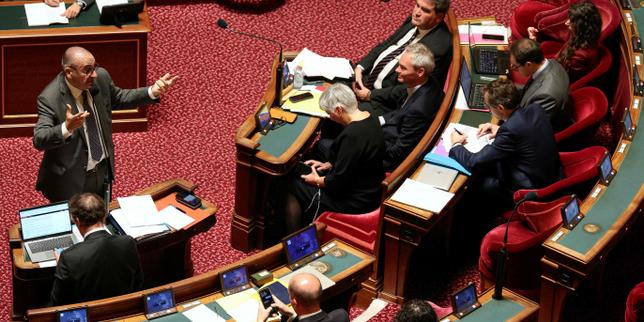
Key details
- The French Parliament definitively adopted the presumption of legitimate defense law for police on November 20, 2026.
- The Senate approved the controversial text, following earlier National Assembly approval in July.
- Left-wing groups have labeled the law a 'license to kill' and plan to appeal to the Constitutional Council.
- The law presumes police officers act in legitimate self-defense when using their weapons, sparking political division.
On November 20, 2026, the French Parliament definitively adopted a highly contentious law establishing a presumption of legitimate defense for police officers. The Senate approved the text following its earlier validation by the National Assembly in July, marking the final legislative step for this new legal framework. This law essentially presumes that police officers act in legitimate self-defense when using their weapons, a measure intended to strengthen law enforcement protection.
However, the legislation has ignited fierce political controversy, especially from left-wing senators and political groups who see it as granting a "license to kill" to the police. The left-wing opposition has publicly announced plans to challenge the law by appealing to the Constitutional Council to block its promulgation, arguing that it excessively extends police powers and risks undermining civil liberties.
The Senate vote exposed deep fractures within French politics regarding the balance between security and rights. Supporters contend the measure is necessary for protecting officers facing increasing threats, while critics warn it could incentivize excessive use of force without sufficient accountability.
Left-wing senators remain adamant in their opposition. According to reports, they denounce the law as a dangerous precedent that could lead to unchecked violence by police forces. They are mobilizing to seek judicial review of the statute, underlining a continuing and intense public debate on policing and justice in France.
This adoption marks a pivotal moment in France's ongoing struggle to define the role and oversight of law enforcement amid rising social tensions. While the law now awaits the Constitutional Council's review, its passage highlights the divided political climate and the complex challenges in addressing safety, authority, and human rights.