Trial Exposes Major Failures in Paris Municipal Services and Police Misconduct
Judicial hearings reveal administrative lapses in Paris municipal services and serious police misconduct accusations, highlighting challenges in accountability and public trust.
Key details
- Auditions expose lack of written documentation culture in Paris municipal services.
- Officials responsible for road maintenance and cleanliness revealed administrative traceability gaps.
- Three police officers face prison for violent arrest and falsifying reports.
- Public prosecutor emphasizes societal impact of police lying.
- Defense argues officers acted out of fear during Michel Zecler incident.
Recent judicial hearings have spotlighted serious deficiencies in Paris municipal services and brought to light allegations of police misconduct, revealing significant concerns about accountability and integrity within the city's public institutions.
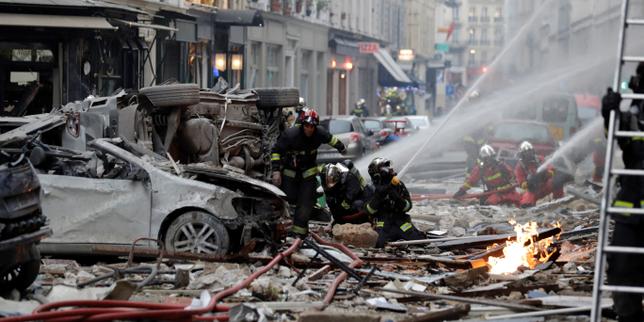
In the trial centered around the Rue de Trévise explosion, officials responsible for road maintenance, cleanliness, and water services were audibly questioned, uncovering pervasive gaps in record-keeping and administrative traceability. The proceedings revealed a troubling lack of a written culture for documenting interventions within these municipal services, suggesting that these deficiencies compromised operational rigor and accountability. Such shortcomings point to an urgent need for procedural improvements to ensure better oversight and public safety in Paris municipal management.
Concurrently, the trial of three police officers accused of violently arresting Michel Zecler unearthed grave allegations of abuse and cover-up. The public prosecutor has demanded prison sentences ranging from four to six years, citing aggravating factors including racism. The officers stand accused of physically assaulting a music producer and falsifying their official reports to conceal their misconduct. The defense contends that the officers acted out of fear, a claim that raises complex questions about police behavior and justification. A striking statement from the prosecutor declared, “If we accept that three police officers lie, the social bond is broken,” underscoring the profound societal implications of the case.
These hearings collectively illuminate critical weaknesses within Paris's municipal and law enforcement framework, highlighting administrative laxity and serious breaches of public trust. The outcomes are expected to have significant repercussions on reforms aimed at restoring transparency, accountability, and community confidence in public institutions.
As of November 20, 2026, these trials continue to unfold, closely monitored by citizens and officials alike, who await verdicts that may set important precedents for governance and justice in Paris.
Source articles (2)
-
lemonde.fr Nov 19, 2026
Le procès de l’explosion de la rue de Trévise met au jour un fonctionnement informel et peu rigoureux des services de la Mairie de Paris
-
« Si l’on accepte que trois policiers mentent, le lien social est rompu » : prison ferme requise au procès de l’interpellation violente de Michel Zecler