French Parliament Passes Special Law to Advance 2026 Budget Amid Ongoing Political Negotiations
The French Parliament has passed a special law to avoid financial paralysis while political debates and negotiations continue over the 2026 budget amid concerns over deficit and fiscal policies.
Key details
- French Parliament unanimously passed a special law to prevent financial blockage for 2026 budget adoption.
- Amélie de Montchalin is optimistic about reaching a budget agreement on five priority areas.
- Prime Minister Sébastien Lecornu is actively negotiating with party leaders to reach consensus.
- The possibility of using Article 49.3 to pass the budget remains under discussion amid political pressure.
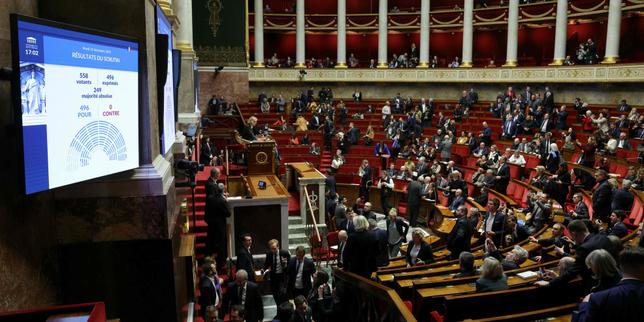
On December 23, 2025, the French Parliament unanimously adopted a special law designed to avert financial blockage and pave the way for the formal adoption of the 2026 national budget. This procedural step sets the stage for renewed negotiations expected to intensify in January 2026, as the government seeks to secure consensus over key budgetary issues.
Public Accounts Minister Amélie de Montchalin expressed optimism about an agreement on five main budget themes identified by Prime Minister Sébastien Lecornu: agriculture, local authorities, housing, overseas territories, and research. Montchalin emphasized the need for a collective effort rather than settling for minimal action, drawing parallels to prior successful compromises on the social security budget. She acknowledged the possible use of Article 49.3—allowing the government to pass the budget without a parliamentary vote—but preferred to focus on achieving compromise.
Meanwhile, Lecornu resumed consultations with party leaders on December 21, aiming to negotiate the "real budget." Concerns persist regarding the projected public deficit of 5.3%, exceeding government targets, and calls for fiscal justice and reduced austerity continue from opposition figures, including Socialist Party head Olivier Faure.
Valérie Pécresse, president of the Île-de-France region, warned of France's deteriorating fiscal situation and urged immediate waste reduction efforts by future ministers. She stressed that the special law is only a temporary fix and does not resolve the underlying financial challenges. Political leaders, including President Emmanuel Macron, are contemplating new government models following Michel Barnier's political exit, reflecting ongoing struggles to break legislative deadlock.
The Parliament will reconvene in the week of January 5, 2026, to resume budget debates amid tight schedules and persistent political friction. Prime Minister Lecornu faces increasing pressure to either navigate a compromise or contemplate the controversial use of Article 49.3 to secure budget approval.
Source articles (3)
-
lefigaro.fr Dec 23, 2025
Budget 2026 : contre l’avis de Macron, Lecornu rechigne à envisager une adoption du texte par 49-3
-
lemonde.fr Dec 23, 2025
EN DIRECT, budget 2026 : le Parlement vote le projet de loi spéciale, avant la reprise des débats en janvier
-
Après le vote de la loi spéciale, quelles étapes pour adopter le budget ?