French Partial Legislative Elections Highlight Party Divisions and Low Voter Turnout
Recent French partial legislative elections reveal low turnout and highlight divisions within right-wing parties ahead of municipal elections.
Key details
- Health Minister Stéphanie Rist wins Loiret by-election with 62.1% amid 69.6% abstention.
- In Haute-Savoie, UDR candidate Antoine Valentin leads with 45%; LR’s Christophe Fournier drops to 15%.
- Right-wing parties face strategic divisions over alliances with Rassemblement National.
- Second round of Haute-Savoie election scheduled for February 1.
Recent partial legislative by-elections in France’s Loiret and Haute-Savoie constituencies have underscored persistent challenges in voter engagement and revealed internal right-wing party divisions ahead of the March municipal elections.
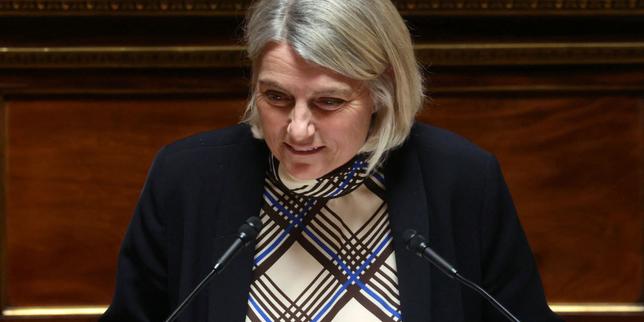
In Loiret’s 1st constituency, Health Minister Stéphanie Rist comfortably won the second round, securing 62.1% of the vote against Rassemblement National candidate Tiffanie Rabault, who garnered 37.9%. Despite this decisive win, the election was marked by a high abstention rate of 69.6%, slightly lower than the previous week’s 70.6%. Rist’s victory enables her to maintain her ministerial role, which she promised to resign from if defeated. Her Assembly substitute will be Marie-Philippe Lubet, mayor of Saint-Denis-en-Val. Rist expressed satisfaction despite the challenges and emphasized urgent work ahead in health policy. Gabriel Attal, Secretary General of Renaissance, hailed the result as a validation of competence and proximity to voters.
Meanwhile, in Haute-Savoie, Antoine Valentin of Éric Ciotti’s Union of Rights for the Republic (UDR) led the first round with approximately 45%. The traditional right-wing Les Républicains (LR) candidate, Christophe Fournier, languished in second with only 15%, down sharply from previous elections. This election is seen as a critical test for right-wing strategies on collaborating with the far-right RN. UDR favors alliance with RN, while LR leadership opposes it, underscoring party fractures. Voter turnout was low at 31.28%, affecting left-wing and other candidates’ performances. The second round is scheduled for February 1.
These results reveal continuing political realignments and voter disengagement as France approaches key local and national votes.