French Political Leaders Condemn Violence Following Quentin Deranque's Death Amid Protests and Demonstration Bans
Following Quentin Deranque's death, French political leaders condemn violence and authorities impose demonstration bans to prevent further unrest.
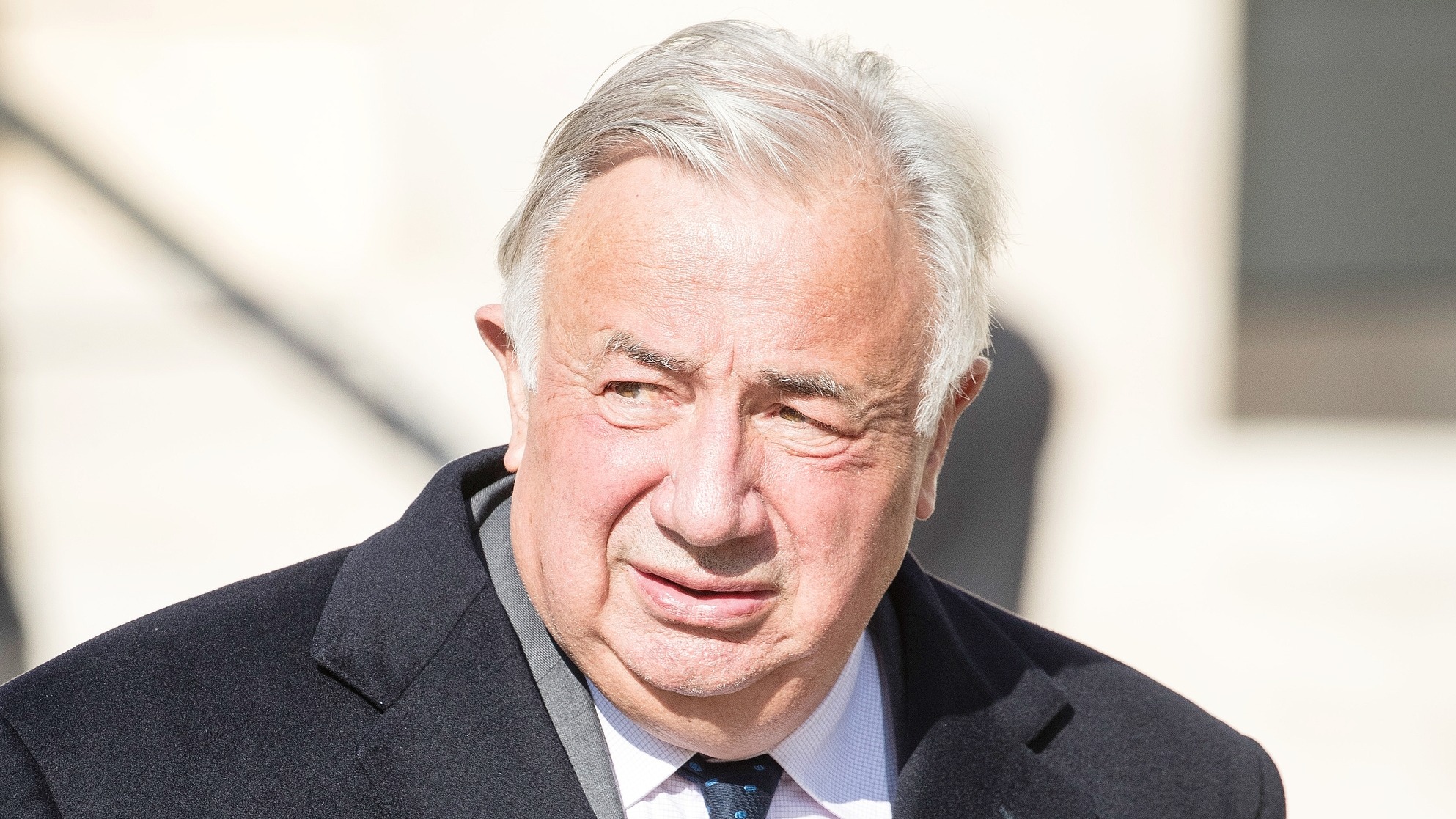
Key details
- Senate President Gérard Larcher condemns the climate of hate and violence following Deranque’s death.
- Justice Minister Gérald Darmanin criticizes La France insoumise for lack of condolences and condemns alliances with them.
- Authorities ban demonstrations in Nantes and Toulouse to prevent clashes between far-right supporters and antifascists.
- Similar tribute events planned in multiple French cities amid heightened tensions and security measures.
Following the tragic death of nationalist militant Quentin Deranque, political and public responses in France have been marked by condemnation of violence and preventive measures to avoid further unrest. Deranque died after being attacked by six hooded men in Lyon, an event that has deeply shocked the nation.
In the Senate, President Gérard Larcher led a minute of silence in Deranque's memory and strongly denounced the "climate of violence" and hate that have permeated society, particularly in universities. Larcher criticized those who incite hatred and intolerance, stating emphatically, "Our democracy and our Parliament cannot accept this. Our Republic cannot tolerate it."
Justice Minister Gérald Darmanin echoed Larcher's sentiments during parliamentary proceedings, criticizing political factions such as La France insoumise for failing to express condolences to Deranque's family. Darmanin sharply condemned any political alliances involving that party, highlighting a perceived lack of compassion.
In response to escalating tensions, local authorities have implemented strict measures to prevent further clashes. A préfectoral decree in Nantes prohibits all demonstrations in a central area from February 18, 3 PM, until February 19, 8 AM, due to planned far-right tributes to Deranque and anticipated antifascist counter-demonstrations. The ban also extends to carrying potential weapons, pyrotechnics, and fuel transport. Nantes is not isolated; similar protests honoring Deranque are scheduled in cities including Toulouse, Lille, and Rouen. Notably, Toulouse’s prefecture has banned any protests until midnight, reflecting concerns over previous violent confrontations between far-left and far-right activist groups.
These developments underscore heightened political tensions and the government's commitment to maintaining public order in the aftermath of Deranque’s death. Authorities continue to monitor the situation closely, emphasizing the need to prevent further violence while addressing the societal issues highlighted by this tragedy.