French Senate Rejects Assisted Dying Law, Sends it Back to National Assembly
The French Senate rejected a key assisted dying bill, forwarding it to the National Assembly for further debate beginning February 16, 2026.
Key details
- The French Senate rejected the assisted dying bill by 181 to 122 votes.
- Conservative senators led the rejection, significantly altering the original bill.
- The bill returns to the National Assembly for reconsideration on February 16, 2026.
- The legislation aligns with President Macron's promise and global trends on assisted dying.
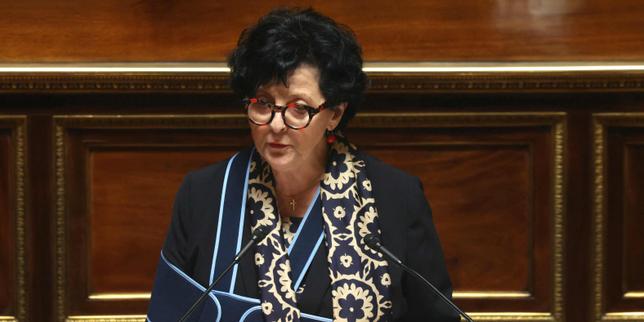
On January 28, 2026, the French Senate decisively rejected a proposed law that would establish a regulated framework for assisted dying, with a vote tally of 181 against to 122 in favor. This legislative setback followed intense and chaotic debates on end-of-life care, where senators firmly opposed any form of assisted suicide or euthanasia. The bill, originally introduced by Olivier Falorni, had previously garnered majority support in the National Assembly but was significantly weakened by Senate amendments, which stripped away much of its substantive content.
The Senate's rejection was heavily influenced by conservative senators, led by Bruno Retailleau, who emphasized a model focused on guaranteeing the "right to the best possible relief from pain and suffering" without endorsing interventions that could intentionally hasten death. Some left-wing senators voiced concerns about the amended text possibly conflicting with the existing Claeys-Leonetti law, which permits deep sedation until death for terminally ill patients.
Despite the Senate's refusal, the bill will return to the National Assembly for further consideration beginning February 16, 2026. Christine Bonfanti-Dossat, a Republican senator, acknowledged imperfections in the bill but argued for its adoption to avoid overly permissive practices while Olivier Falorni criticized the Senate's conservative stance as divergent from public expectations.
Laurent Panifous, Minister for Relations with Parliament, recognized the Senate made a difficult decision but affirmed that the legislative process remains ongoing with the National Assembly holding the ultimate authority. Yaël Braun-Pivet, President of the National Assembly, expressed optimism that the bill could be finally adopted before summer, as the parliament continues deliberations respecting diverse convictions.
If passed, this law would mark a significant societal reform fulfilling a key promise of President Emmanuel Macron’s second term, positioning France alongside countries like the Netherlands, Belgium, Switzerland, and Canada that have legislated assisted dying.
This development underscores the complex and deeply divisive nature of end-of-life legislation in France, reflecting broader ethical, political, and societal debates about autonomy and care at life’s end.
Source articles (2)
-
lemonde.fr Jan 28, 2026
Fin de vie : le Sénat rejette la loi sur l’aide à mourir, renvoyée à l’Assemblée
-
lefigaro.fr Jan 28, 2026
Fin de vie : le Sénat rejette la loi sur l’aide à mourir, qui est renvoyée à l’Assemblée nationale
Source comparison
Content of the summaries
The second source discusses a proposal on friendship and immigration, which is unrelated to the Senate's rejection of the assisted dying law.
lemonde.fr
"The French Senate rejected a proposal for a law that would establish a system for assisted dying, with a vote of 181 against 122."
lefigaro.fr
"A proposal by LFI deputy Clémence Guetté was submitted to the French National Assembly, aiming to recognize the importance of friendships in French society."
Why this matters: The second source shifts focus to a completely different topic, which misleads readers about the main event regarding the Senate's decision on assisted dying. This discrepancy affects the understanding of the legislative context and priorities being reported.