French Youth Mobilization in 2026: Exploring Political Fears, Social Divides, and Educational Challenges
France's youth activism in 2026 is driven by fears of a far-right election victory, societal discrimination, and educational debt challenges amid ongoing protests.
Key details
- French youth fear a Marine Le Pen victory in 2027, mobilizing despite voting ineligibility.
- The concept of 'infantisme' highlights societal prejudice against young activists based on age.
- Government struggles to resolve youth debt and educational system blockages due to budget constraints.
- Societal divisions are heightened by incidents like the 2023 Crépol tragedy involving youth violence and racial tensions.
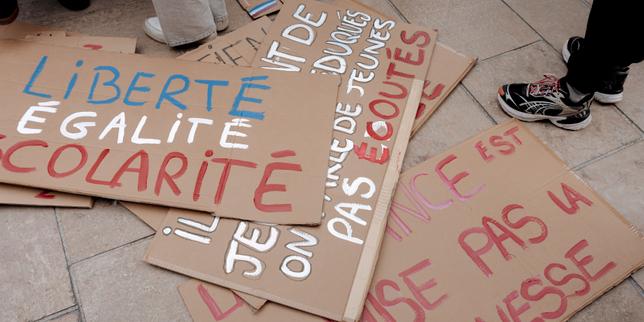
In 2026, France's youth mobilization reflects a complex tapestry of political anxiety, societal marginalization, and educational hurdles. High school students, deeply concerned about the possibility of National Rally leader Marine Le Pen winning the 2027 presidential election, have fueled ongoing protests. Despite being ineligible to vote, the youth express strong political engagement, with banners explicitly warning against a Le Pen victory—highlighting a pronounced generational divide between young people and older generations.
This political anxiety intertwines with broader societal issues. Child psychiatrist Laelia Benoit highlights that youth face "infantisme," a societal prejudice where young people are dismissed or disrespected simply due to their age. This discrimination exacerbates the marginalization of students involved in the protests, who feel their voices are undervalued. Benoit stresses that "young people are not naive about the discrimination and contempt society holds for them," underlining the depth of their awareness and frustration.
Educational challenges further complicate the situation. The French government struggles to manage a youth debt crisis, with budget constraints limiting effective responses to blockages in high schools. Analysts such as Richard Werly and Antoine Mariotti emphasize the difficulty in addressing these fiscal and systemic issues amid ongoing protests.
Meanwhile, societal tensions stemming from events like the 2023 Crépol tragedy, where a 16-year-old was killed following ethnic and racial conflicts between rural and urban youths, continue to reverberate. This event has catalyzed intense debate about France’s racial and social divides, policy responses to insecurity, and media narratives.
Though the Ministry of National Education reports that 90% of high schools operate normally, several unions call for persistence in protests to maintain pressure on authorities. Together, these insights show a youth movement driven by acute political concerns, demanding recognition and systemic change amid wider societal fractures and institutional challenges.
Source articles (5)
-
france.tv Oct 7, 2026
Le drame de Crépol
-
lemonde.fr Oct 7, 2026
Laelia Benoit, pédopsychiatre : « Les jeunes ne sont pas dupes des discriminations et du mépris que leur réserve la société »
-
EN DIRECT, mobilisation lycéenne : « en net recul » mercredi, plusieurs syndicats appellent à la poursuite du mouvement
-
liberation.fr Oct 7, 2026
L’angoisse d’une victoire du RN en 2027, cet autre carburant de la mobilisation des lycéens
-
france24.com Oct 7, 2026
France: la jeunesse au pied du mur de la dette