Influential German Philosopher Jürgen Habermas Dies at 96
Jürgen Habermas, a leading German philosopher known for his impact on political thought and European unity, has died at 96.
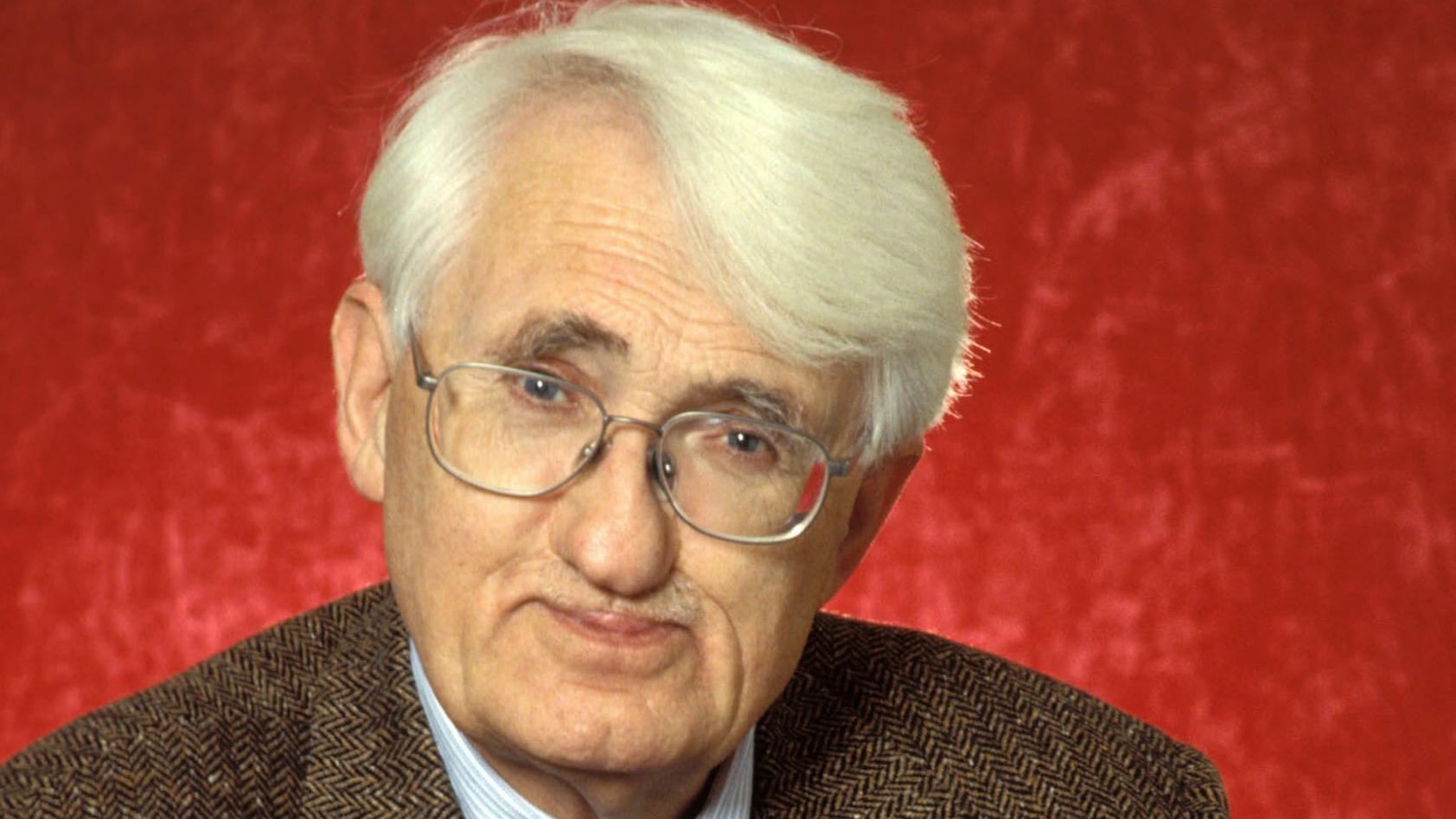
Key details
- Jürgen Habermas died at age 96 in Starnberg, Germany.
- He was a key figure in post-war European philosophy and political thought.
- His major works focused on communicative action, discursive ethics, and the public sphere.
- Habermas advocated for European integration to counter nationalism and warned against threats to democracy.
Jürgen Habermas, a towering figure in 20th-century philosophy and critical theory, died on March 14, 2026, at the age of 96 in Starnberg, Germany, according to Suhrkamp Verlag, his publisher. Born on June 18, 1929, in Düsseldorf and raised in Gummersbach, Habermas emerged as a leading intellectual of post-war Europe, deeply shaping debates on democracy, political philosophy, and European unity.
A prominent member of the "second generation" of the Frankfurt School, Habermas was renowned for his exploration of the public sphere and discursive ethics. His seminal works, including "The Theory of Communicative Action" published in 1981, marked a departure from Marxism towards a framework emphasizing non-hierarchical communication essential to democratic societies. Throughout his career, he emphasized a failibilist approach to philosophy, advocating for continual revision and recognition of errors.
Habermas was also politically engaged, warning about the dangers of nationalism and advocating for a federal European project to prevent the divisive rivalries of the past. He criticized the market-driven reunification of Germany in 1989 and cautioned against threats to the rule of law, including a potential "left-wing fascism." His intellectual authority and moral influence extended globally, as he linked philosophical inquiry with political action.
Recognized as one of the greatest philosophers of the 20th century, Habermas's legacy endures in his profound interrogation of modern political life and the dynamics of open democratic discourse. Survived by his wife Ute Wesselhoeft and three children, his contributions continue to resonate in European and global philosophical dialogues.
Source articles (3)
-
lefigaro.fr Mar 14, 2026
Le philosophe allemand Jürgen Habermas est mort
-
lemonde.fr Mar 14, 2026
Jürgen Habermas, philosophe allemand, intellectuel combatif et esprit encyclopédique, est mort à l’âge de 96 ans
-
liberation.fr Mar 14, 2026
Mort du philosophe allemand Jürgen Habermas, la voie de la raison