Iran Conflict Drives Surge in French Energy Prices and Government Intervention
Rising fuel and gas prices in France driven by the Iran conflict spark government crackdowns and forecasts of higher bills for many consumers starting May.
Key details
- French government increases controls at gas stations in response to rising fuel prices linked to the Iran conflict.
- Fuel prices have risen by 5 to 15 cents per liter for SP95 and 15 to 20 cents for diesel since late February, per Economy Minister Roland Lescure.
- Around 60% of French gas consumers without fixed-price contracts may see bills rise by less than 10 euros monthly from May 1.
- Political parties RN and LFI advocate for tax reductions and price caps on energy to combat the crisis.
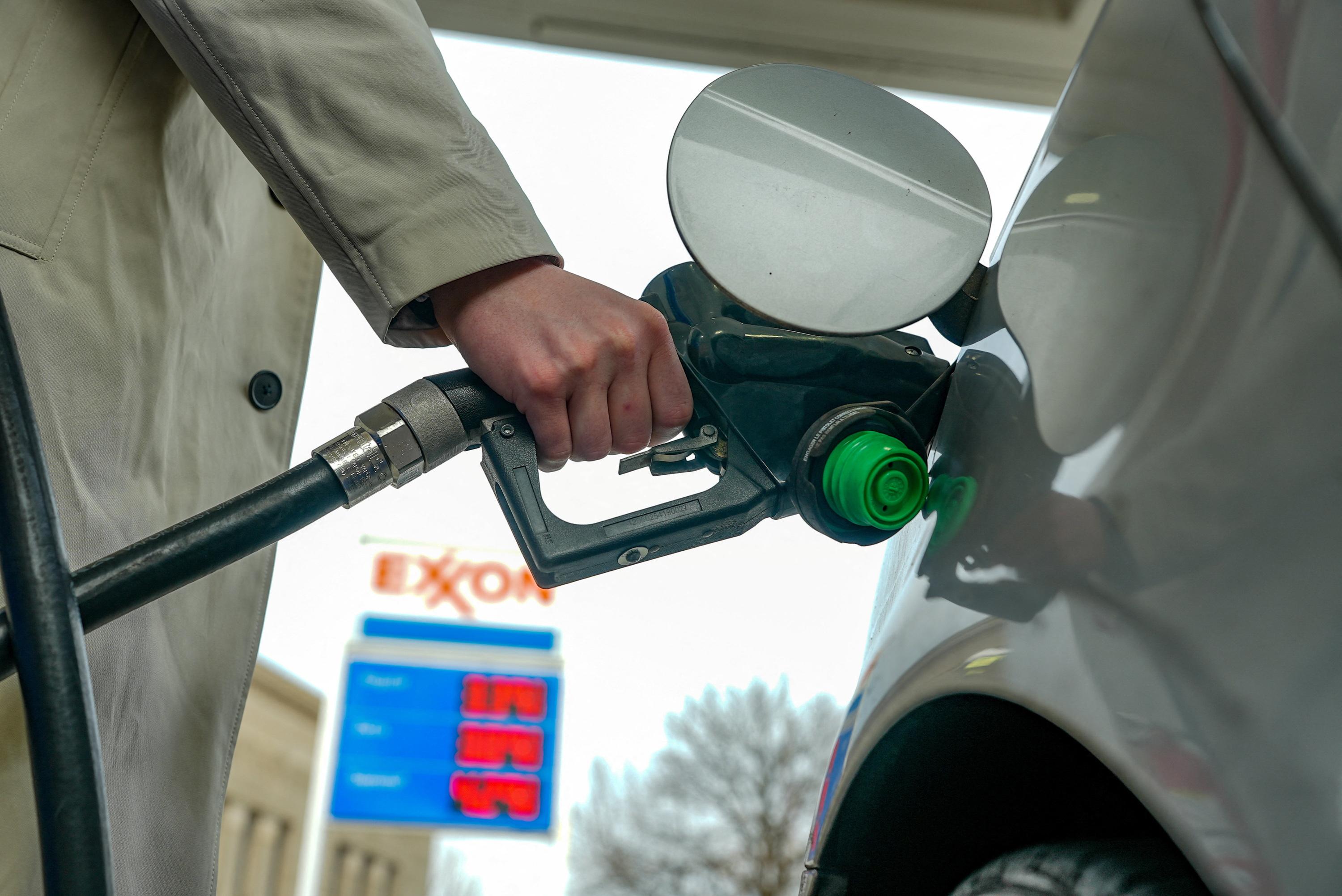
The ongoing conflict in Iran has directly impacted energy prices in France, leading to a notable rise in fuel and gas costs and prompting government action. The French government has intensified inspections at gas stations amid soaring fuel prices, which economy minister Roland Lescure attributed to the Middle East crisis and the resulting spike in oil prices. According to Lescure, the price of SP95 petrol has increased by 5 to 15 cents per liter, while diesel prices have climbed by 15 to 20 cents since the end of February. This surge surpasses earlier expectations of only a slight price increase. Many motorists accuse distributors of exploiting the conflict to unjustifiably hike prices, a practice Lescure vows to curb, emphasizing his intolerance for any pump price increases exceeding the actual rise in oil prices.
On the gas front, Bercy, the French Ministry of Economy and Finance, has projected that consumers without fixed-price contracts will face higher bills starting May 1, with increases estimated to be under 10 euros monthly. Approximately 60% of French gas consumers, about 7 million people, could feel the brunt of market price volatility linked to the Iran conflict, while the remaining 40% with fixed-price contracts will remain shielded from these fluctuations. Lescure noted that the expected rise in gas bills will coincide with the spring, when consumption typically declines. Regarding electricity, price hikes are considered unlikely due to France's significant nuclear energy capacity, though future changes will depend on how the international situation evolves.
Political parties such as the National Rally (RN) and La France Insoumise (LFI) have called for relief measures, including energy tax reductions and fuel price caps, to alleviate the burden on consumers. The government's efforts to regulate and potentially cap fuel prices reflect growing concern over maintaining energy affordability amid global supply tensions. The situation remains fluid, with French authorities monitoring and intervening to minimize undue economic hardship caused by the conflict’s ripple effect on energy costs.
Source articles (2)
-
lefigaro.fr Mar 6, 2026
Guerre en Iran : Bercy prévoit une hausse des factures de gaz pour certains Français à partir du 1er mai
-
Guerre au Moyen-Orient : le gouvernement peut-il vraiment encadrer les prix des carburants ?