Kurdish Forces Evacuate Aleppo Amid Deadliest Clashes Since Assad's Fall
Kurdish fighters agree to evacuate Aleppo after the deadliest fighting since Assad's fall, with 21 civilians killed and 155,000 displaced amid a mediated ceasefire.
Key details
- Kurdish forces agreed to evacuate Aleppo's Ashrafieh and Sheikh Maqsoud neighborhoods after multiple days of violent clashes.
- At least 21 civilians have been killed and approximately 155,000 displaced during the recent fighting.
- An internationally mediated ceasefire allowed safe evacuation of civilians and fighters to northern and eastern Syria.
- The violence disrupted a previous deal aiming to integrate Kurdish autonomy into the Syrian state, with international calls for renewed dialogue.
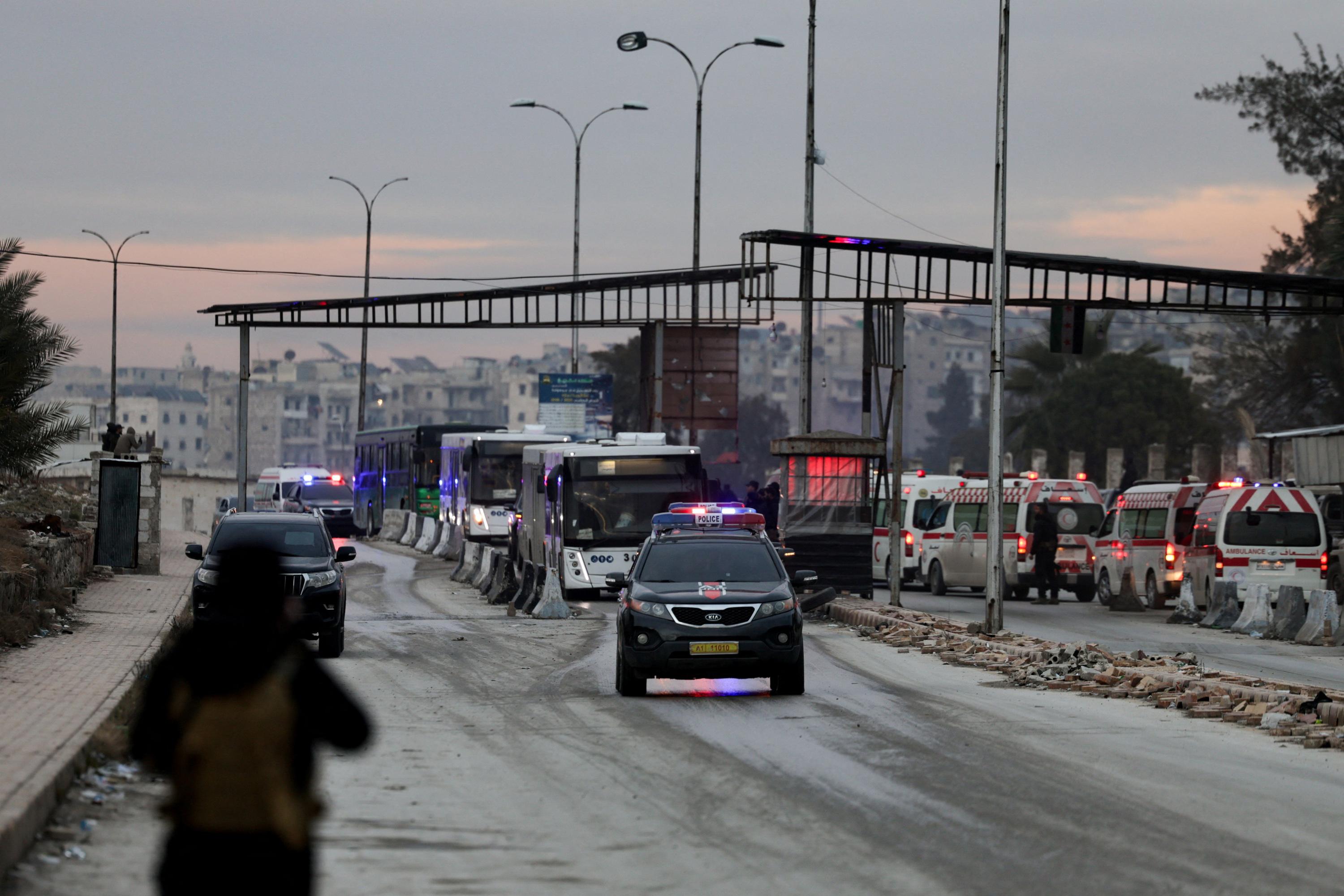
The Syrian Democratic Forces (SDF), predominantly Kurdish fighters, have agreed to evacuate their remaining troops from the Aleppo neighborhoods of Ashrafieh and Sheikh Maqsoud following fierce clashes with Syrian government forces. This decision marks the latest development after what has been described as the most violent confrontations in Aleppo since the fall of Bashar al-Assad in December 2024.
At least 21 civilians have lost their lives since the fighting intensified last Tuesday, and the violence has displaced approximately 155,000 people. The evacuation was facilitated by a ceasefire agreement reached through international mediation, which allowed for the safe withdrawal of fighters as well as the evacuation of the injured, deceased, and trapped civilians to northern and eastern Syria.
Syrian state media confirmed the departure of the last group of SDF members from Sheikh Maqsoud, with Syrian authorities declaring the end of their military operations there. However, the Kurdish forces contested claims of voluntary withdrawal, describing the situation as forced displacement and condemning abductions and civilian suffering.
This outbreak of violence has severely undermined a previous March agreement intended to integrate Kurdish autonomous structures into the Syrian state, a plan still unimplemented. The US and European Union have since called for renewed dialogue and an end to hostilities amid fears of widening regional conflict. Meanwhile, Turkey has expressed support for the Syrian government, and Israel is reported to back the Kurdish groups.
The clashes reflect the ongoing fragility of Syria's internal political landscape and highlight the vulnerable position of minority communities seeking decentralized governance, which remains rejected by Damascus.
Source articles (2)
-
lefigaro.fr Jan 11, 2026
Syrie: les combattants kurdes acceptent d'évacuer Alep
-
lemonde.fr Jan 11, 2026
En Syrie, les forces kurdes ont accepté de quitter Alep
Source comparison
Kurdish forces' narrative
Sources differ on the characterization of the Kurdish forces' actions as surrender or evacuation.
lefigaro.fr
"Following the announcement of the Kurdish surrender, Syrian authorities declared the end of operations in Sheikh Maqsoud."
lemonde.fr
"The FDS announced that they reached a ceasefire agreement that allowed for the evacuation."
Why this matters: One source describes the Kurdish forces' actions as a surrender, while the other frames it as an evacuation following a ceasefire. This difference affects the reader's understanding of the Kurdish forces' position and agency in the conflict.