Legal and Political Fallout Intensifies in Quentin Deranque Lynching Case
The lynching of Quentin Deranque has sparked legal scrutiny and political accusations against La France Insoumise, with investigations pointing to its parliamentary assistant and raising constitutional concerns.
Key details
- LFI faces accusations of indirect responsibility for Quentin Deranque's lynching due to party rhetoric and associates' involvement.
- Jacques-Elie Favrot, an assistant to LFI deputy Raphaël Arnault, is suspected of being involved in the violent assault.
- Lawyer Thibault de Montbrial criticized the investigation's initial classification as voluntary violence leading to death without intent.
- Constitutional experts warn that prosecutor's severe penalties could threaten democratic processes and contemplate National Assembly dissolution.
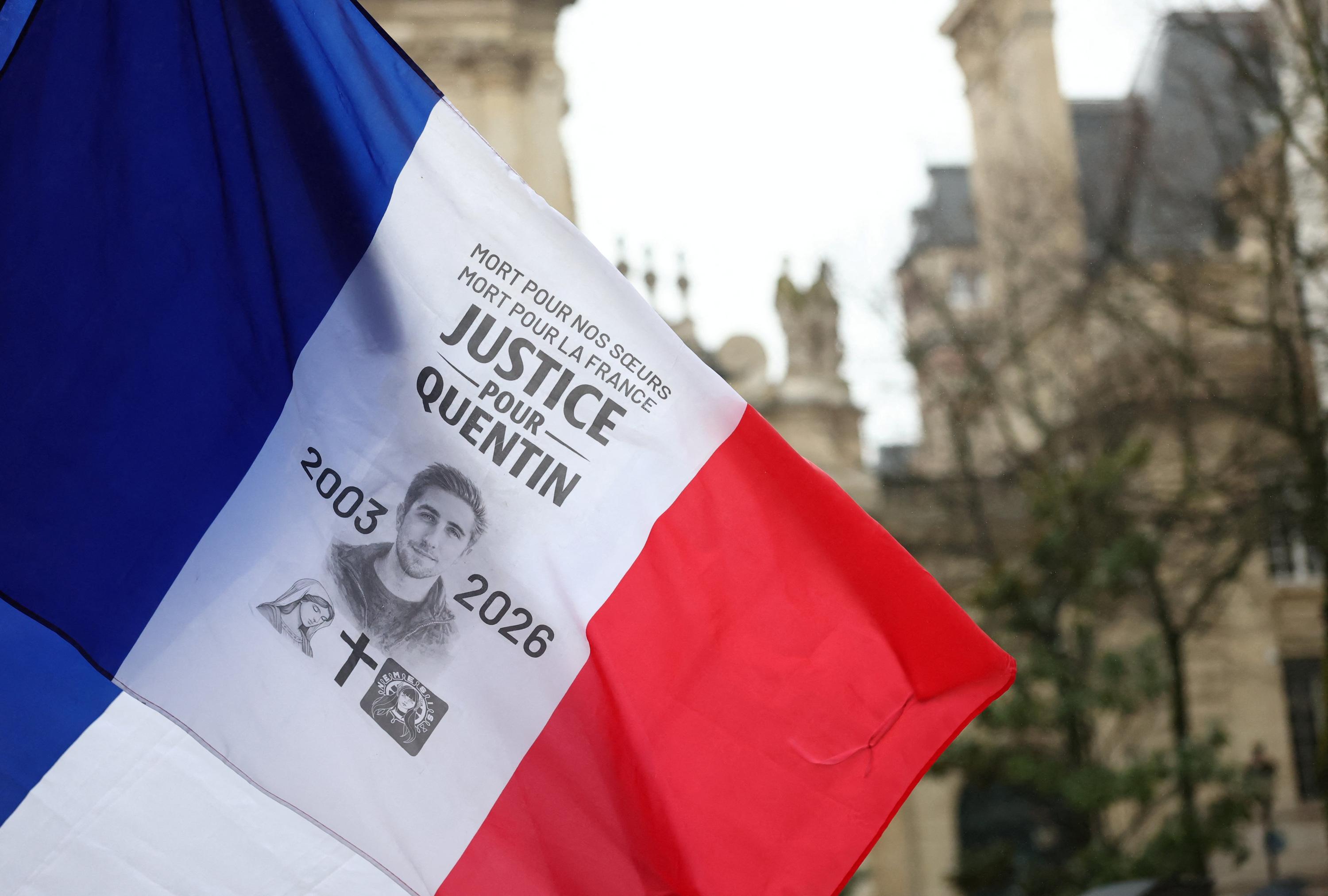
The lynching death of 23-year-old nationalist activist Quentin Deranque in Lyon on February 12 has ignited significant political and legal controversy. Multiple political figures have accused La France Insoumise (LFI) of partial responsibility for the event, citing the party's rhetoric and the involvement of an assistant to LFI deputy Raphaël Arnault.
According to witnesses, Jacques-Elie Favrot, an assistant parliamentary aide to Arnault and a member of LFI, is suspected of involvement in the violent attack carried out by members of the antifascist group Jeune Garde, which has since been dissolved by the government. The assault took place during a protest against far-left MEP Rima Hassan at Sciences Po Lyon, when members of the feminist collective Némésis were attacked by students and Jeune Garde affiliates. One witness remarked, "Our activists were attacked by Sciences Po students and women from the Jeune Garde."
Legal experts are criticizing how authorities initially classified the investigation. Lawyer Thibault de Montbrial highlighted that the case was opened as "voluntary violence resulting in death without intent," questioning this in light of the brutality involved. He pointed out that those who lynched Deranque "could not have ignored that they were killing."
Meanwhile, the public prosecutor Thierry Dran held a press conference to provide further details on the fatal attack. The inquiry continues amid political turbulence, as severities in the legal approach raised concerns among constitutional law experts, including Jean-Éric Schoettl. They warn that the stringent requested penalties risk destabilizing democratic processes and have even led to suggestions of dissolving the National Assembly.
As investigations proceed, the case remains a focal point for debate about political responsibility, legal definitions, and democratic balance in post-attacked France.
Source articles (5)
-
lefigaro.fr Feb 16, 2026
Mort de Quentin : «Ceux qui ont lynché ne pouvaient pas ignorer qu’ils tuaient» estime Thibault de Montbrial
-
Mort de Quentin à Lyon : « Les Insoumis déplorent les effets dont ils chérissent les causes »
-
Mort de Quentin Deranque : des témoins chargent Jacques-Elie Favrot, l’assistant parlementaire LFI de Raphaël Arnault
-
france24.com Feb 16, 2026
Mort de Quentin à Lyon : pourquoi La France insoumise est-elle mise en cause ?
-
liberation.fr Feb 16, 2026
EN DIRECT - Mort de Quentin Deranque à Lyon : suivez la conférence de presse du procureur à 16 heures