LFI Makes Unexpected Breakthrough in 2026 Municipal Elections, Shaping Left-Wing Political Future
La France Insoumise (LFI) made significant gains in the 2026 municipal elections, positioning itself as a decisive force for left-wing alliances ahead of the 2027 presidential race.
Key details
- LFI significantly increased candidate lists and vote share compared to 2020 elections.
- In key cities like Lille, Limoges, and Saint-Denis, LFI is either leading or closely contesting elected positions.
- LFI's gains challenge the Socialist Party's traditional dominance, requiring strategic alliances.
- The party is poised to influence second-round results and shape left-wing coalitions before the 2027 presidential election.
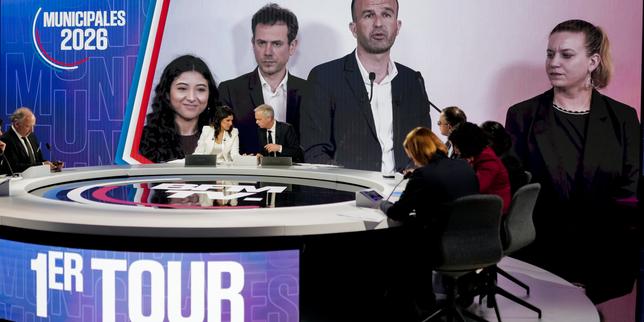
La France Insoumise (LFI) achieved a remarkable breakthrough in the first round of the 2026 French municipal elections held on March 15, dramatically reshaping the political landscape and challenging traditional left-wing dynamics ahead of the 2027 presidential election. Manuel Bompard, LFI’s national coordinator, emphasized the party’s significant gains compared to 2020, with LFI candidate lists doubling or even quadrupling. This surge positions LFI as a crucial political force in several key cities—including Roubaix, Limoges, Toulouse, Lille, Nantes, Paris, Lyon, and Marseille—where the party either leads or holds pivotal roles in forming leftist alliances for the upcoming second round scheduled for March 22.
In Lille, LFI’s Lahouaria Addouche captured 24.1% of votes, closely trailing the Socialist mayor Arnaud Deslandes who received 26.4%, pointing to the possibility of a strategic alliance involving LFI and the Ecologists. Similarly, in Limoges, LFI's Damien Maudet leads ahead of the Socialist contender but remains behind the right-wing candidate. In Saint-Denis, LFI’s Bally Bagayoko secured a decisive victory with 50.8% of the votes, showcasing the party’s expanding appeal in formerly communist strongholds. Nantes’s Socialist Mayor Johanna Rolland, though coming first, now faces the prospect of needing LFI support to maintain her position.
The contest is intense in Marseille, where incumbent Socialist mayor Benoît Payan is locked in a tight race with National Rally candidate Franck Allisio, each polling around 35%. LFI deputy Sébastien Delogu advocates for an anti-fascist coalition supporting Payan in the second round, underscoring LFI's willingness to form alliances to counter the far-right.
Overall, the election results reflect a significant reconfiguration of the French political scene, with LFI emerging as a formidable challenger to the Socialist Party and a key player in future left-wing coalitions. Jean-Luc Mélenchon celebrated the breakthrough on social media, signaling the party’s momentum. Analysts view these municipal results as a litmus test shaping alliances and strategy ahead of France's 2027 presidential contest, highlighting the urgency for left-wing unity emphasized by LFI figures like Manuel Bompard.
Source articles (5)
-
liberation.fr Mar 16, 2026
Municipales 2026 : à LR, les moyennes villes cachent les gros revers
-
trtfrancais.com Mar 16, 2026
Municipales en France: la France Insoumise crée la surprise
-
lemonde.fr Mar 16, 2026
LFI réalise une percée inattendue au premier tour des municipales, et met la stratégie du PS à rude épreuve
-
lefigaro.fr Mar 16, 2026
EN DIRECT : Résultats municipales 2026 : la candidate Reconquête ! Sarah Knafo finalement qualifiée au second tour à Paris
-
Municipales 2026 : les résultats du premier tour révèlent la recomposition du paysage politique, à un an de la présidentielle