Macron Strengthens France’s Military and Security Measures Amid Middle East Conflict
President Macron announces enhanced French military deployments and security measures amid rising Middle East tensions following the US-Israeli offensive against Iran.
Key details
- Macron condemned Iran’s nuclear ambitions and support for terrorism while criticizing US and Israeli strikes.
- France is deploying the aircraft carrier Charles de Gaulle and frigate Languedoc to the Middle East.
- Evacuation flights for vulnerable French citizens and increased domestic security measures are underway.
- Energy supply in France is stable despite price increases amid the conflict.
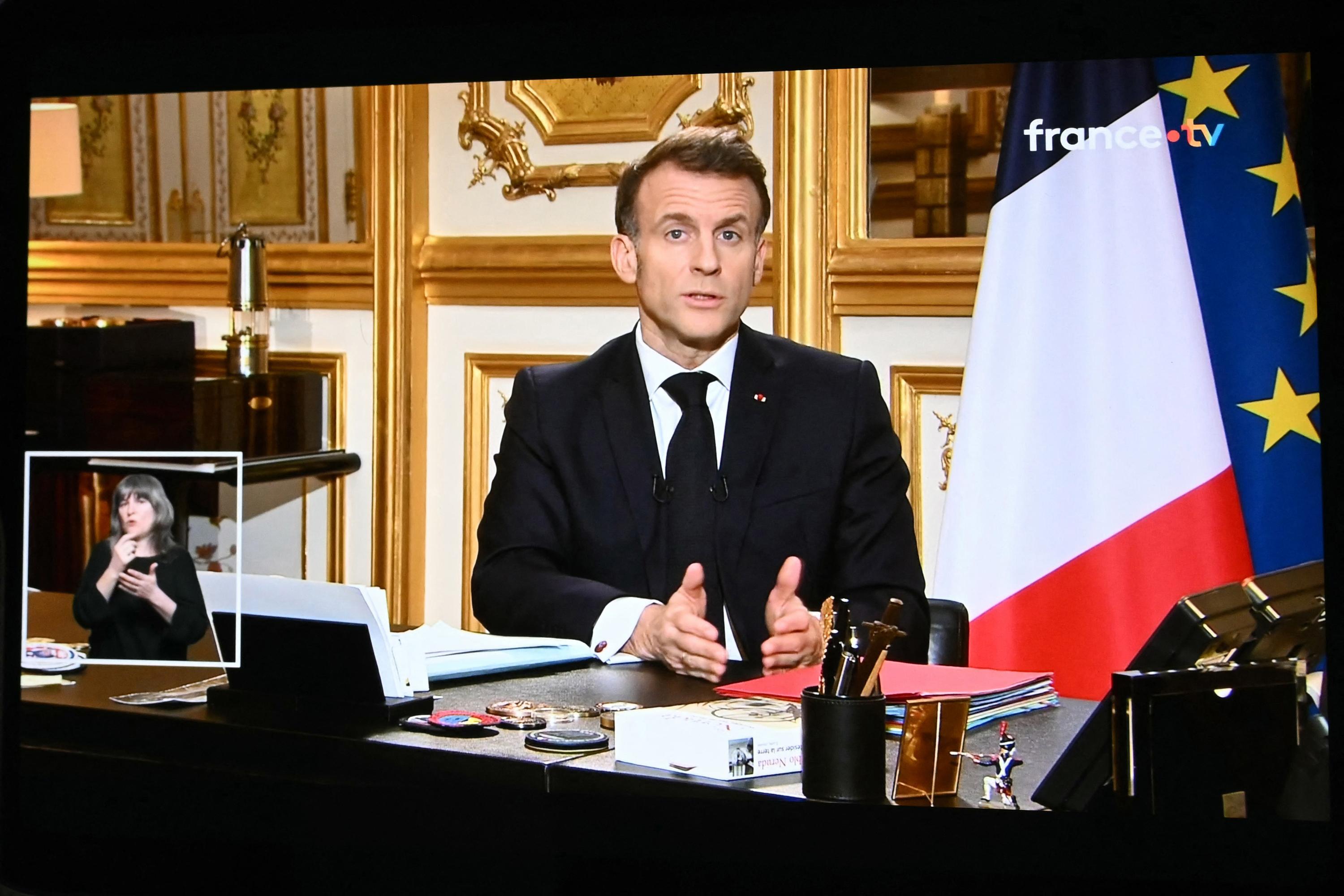
On March 3, 2026, President Emmanuel Macron addressed the French public regarding the escalating Middle East conflict following Israel and the US offensive against Iran, which resulted in the death of Iranian leader Ali Khamenei. Macron's televised speech outlined France’s multi-faceted response to the crisis, emphasizing the protection of French citizens and military interests in the region.
Macron condemned Iran’s support for terrorism and nuclear weapons development but also criticized the legality of the US and Israeli military strikes. He warned Israel against conducting a ground operation in Lebanon, calling it a "dangerous escalation." Together with Germany and the UK, France called for an immediate ceasefire and urged diplomatic negotiations to restore peace.
In response to increased regional tensions, France is intensifying its military presence by deploying the aircraft carrier Charles de Gaulle and the frigate Languedoc, as well as activating enhanced air defense systems. French military facilities had recently been targeted by drone attacks in Abu Dhabi, heightening the urgency for protective measures.
Macron announced the organization of evacuation flights for vulnerable French nationals and confirmed heightened security protocols within France to mitigate potential terrorist threats linked to the conflict. These domestic precautionary measures respond to concerns about Iran-backed terrorist activities.
While Energy Minister Roland Lescure assured the public that France faces no immediate gas or petroleum shortages due to the conflict, prices have surged—gas prices in Europe rose by 30%, and Brent crude increased by over 4%, influenced by disruptions such as the closure of the Strait of Hormuz. France’s limited reliance on Middle Eastern oil and gas imports, combined with strategic reserves, help buffer the country from short-term supply disruptions.
Internationally, tensions continue with Iran threatening "destructive consequences" if the EU classifies the Islamic Revolutionary Guards Corps as terrorists—a proposal notably pushed by Italy’s foreign minister amid debates within the EU. The US military has significantly scaled up its Middle East presence with 50,000 troops and 200 aircraft, paralleling the largest American buildup since 2003.
Macron’s address marks a clear stance for France, balancing condemnation of Iran’s destabilizing actions with calls for diplomacy, while simultaneously mobilizing military and civilian resources to secure French interests and public safety amid a volatile regional crisis.
Source articles (3)
-
lefigaro.fr Mar 3, 2026
Guerre en Iran : mort de Khamenei, stratégie de défense, rapatriements... Ce qu’il faut retenir de l’allocution télévisée d’Emmanuel Macron
-
Guerre au Proche-Orient : Emmanuel Macron annonce que la France renforce son dispositif
-
tf1info.fr Mar 3, 2026
Guerre au Moyen-Orient : un risque de pénurie de gaz et de pétrole ? Pourquoi la France n'est (vraiment) pas menacée
Source comparison
Date of US-Israeli strikes on Iran
Sources report different dates for the US-Israeli strikes on Iran.
tf1info.fr
"Following the US-Israeli strikes on Iran on February 28, 2026, questions arise about whether a similar crisis will occur."
lefigaro.fr
"On the fourth day of the Israeli-American offensive against Iran."
Why this matters: One source states the strikes occurred on February 28, 2026, while another source mentions the strikes happening on the fourth day of the offensive without providing a specific date. This discrepancy affects the timeline of events.