Marine Le Pen Demands Enforcement of Investigation Secrecy on Journalists Amid Media Criticism
Marine Le Pen calls for sanctions on journalists violating judicial secrecy, criticizing media coverage amid National Rally's struggles over antisemitism revelations.
Key details
- Marine Le Pen insists journalists should face consequences for violating investigation secrecy.
- The National Rally criticized media coverage concerning antisemitism and damaging revelations.
- Le Pen's statements highlight tensions between political figures and the press ahead of the 2027 election.
- RN leadership accuses journalists of undermining the party's image with hostile reporting.
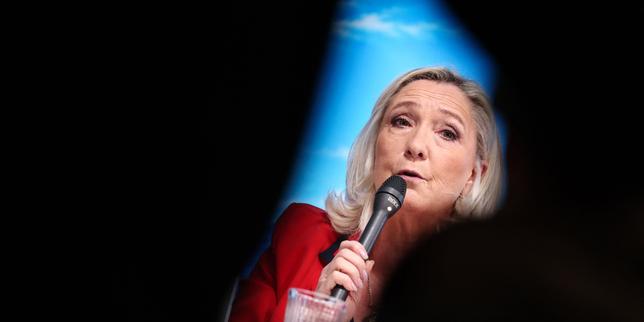
During a press conference on November 27, 2026, Marine Le Pen, leader of the National Rally (RN), called for stricter enforcement of the secrecy of judicial investigations by the media. Addressing political journalist Corentin Lesueur, Le Pen condemned what she sees as media impunity in violating the confidentiality of ongoing legal proceedings, asserting that journalists should face consequences for such breaches. This statement underlines continuing tensions between political figures and journalistic practices in France.
Additionally, the RN leaders expressed sharp criticism towards journalists during the same press conference focused on overseas territories. They accused members of the media of spreading damaging revelations about the far-right party, including issues surrounding antisemitism, which the RN claims undermines their image. In a heated exchange, the party drew stark contrasts between themselves and the press, with statements likening journalists' actions to oppressive regimes.
Le Pen’s call intensifies the debate over media freedom and political accountability ahead of the 2027 presidential election, highlighting the National Rally’s defense against what they perceive as hostile media coverage. While the RN demands respect for judicial secrecy and threatens sanctions on media breaching this confidentiality, their condemnations of journalistic scrutiny also raise concerns about press freedom and transparency in French democracy.
Source articles (2)
-
lemonde.fr Nov 27, 2026
Présidentielle 2027 : Marine Le Pen veut contraindre les journalistes à respecter le secret de l’instruction
-
liberation.fr Nov 27, 2026
«Vous vous prenez pour Jean Moulin, mais vous êtes proches de Staline» : Bardella et Le Pen s’enfoncent dans le déni et menacent le secret des sources