Nestlé Knew About Cereulide Contamination in Infant Formula Over 10 Days Before Recalls
Nestlé detected contamination in infant formulas weeks before recalls, triggering complaints and investigations amid health concerns.
Key details
- Nestlé identified cereulide contamination by the end of November 2025, days before recalls began.
- The company informed Dutch authorities on December 9 but delayed official recalls until December 11 in France.
- Foodwatch and affected families filed complaints over delayed crisis response.
- Two infant deaths are under investigation though no formal link to contamination is confirmed.
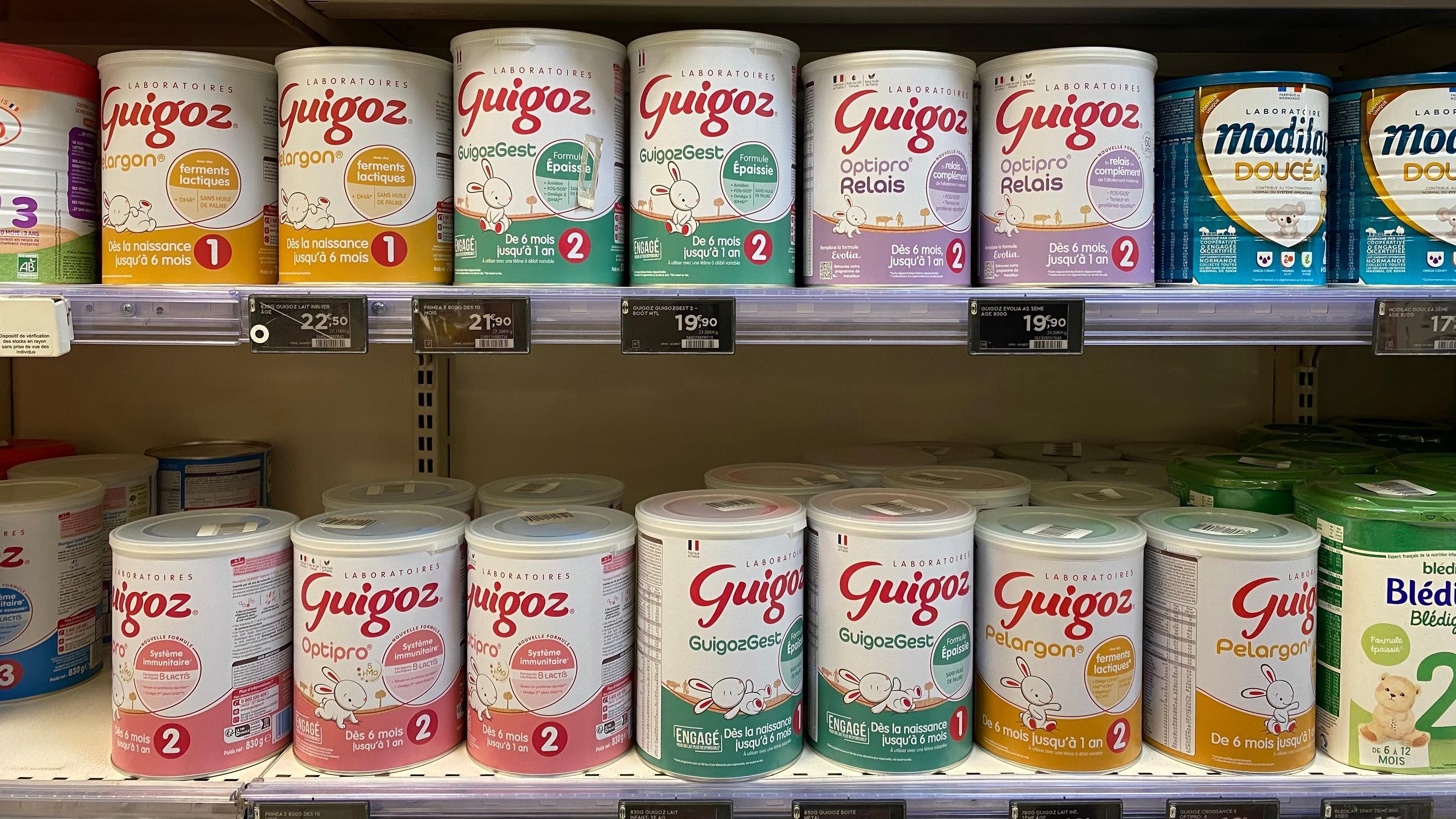
Nestlé detected the presence of the cereulide toxin in some of its infant formula products as early as the end of November 2025, more than ten days before initiating recalls in France on December 11. Although internal controls identified contamination before December, Nestlé only informed Dutch authorities on December 9 and officially notified its Chinese supplier about the contamination source—an oil enriched with arachidonic acid (ARA)—on December 29. This lag has sparked significant criticism and led to complaints from consumer groups and affected families.
Consumer association Foodwatch has filed a complaint against Nestlé and the state for delayed action in responding to this serious health risk, alongside eight families whose infants fell ill after consuming products from brands including Guigoz (Nestlé), Picot (Lactalis), and Babybio Optima (Vitagermine). The contamination risk stemmed from an ingredient common across multiple manufacturers: the ARA-enriched oil.
Two investigations are ongoing in southwestern France after two infants died; however, a formal causal link between the deaths and contaminated formula has not been established. The French government has stated that all affected product batches have since been removed from the market.
Reports from Le Monde and Le Figaro reveal questions about the timeline and crisis management. Nestlé claims it was conducting a health risk analysis during the delay to better understand the symptoms and consequences of cereulide consumption, despite the known harmful effects of the toxin. A high-ranking source suggested Nestlé knew about the contamination tied to the ARA oil around December 10 and shared that with European authorities, a point the company disputes, stating the contamination source was only identified on December 23.
Recall efforts expanded after the contamination source was traced, involving other manufacturers using the same ingredient. Public scrutiny of Nestlé’s crisis response remains intense as investigations continue and affected families seek justice.
Source articles (2)


Source comparison
Timeline of contamination knowledge
Sources report different dates regarding when Nestlé knew about the contamination from ARA oil.
lemonde.fr
"Nestlé knew about the contamination from the ARA oil by December 10."
lefigaro.fr
"The company identified the source of the contamination, linked to an oil enriched with ARA, on December 23."
Why this matters: One source claims Nestlé knew about the contamination by December 10, while the other states they identified it on December 23. This discrepancy affects the understanding of Nestlé's response time and accountability in the crisis.